
You are not alone in feeling lonely

We are in the midst of an epidemic of loneliness. Nearly three of five people experience deep feelings of being lonely and for many, these feelings are worsening because of the COVID-19 pandemic. Loneliness is strongly correlated to feelings of depression and anxiety. The question is, what to do about it?

Many of us feel lonely from time to time but since the start of the COVID-19 pandemic, more of us are experiencing feelings of loneliness, as well as an increase in depression and anxiety. Loneliness is more than feeling alone. Many of us enjoy our alone time and many of us need alone time now and again. Loneliness, though, can leave us feeling as though we are an island unto ourselves, without friends or loved ones.

Sometimes when we’re feeling lonely, we may find ourselves longing for a particular person or group of people. What, if anything, is making it challenging for you to reach out when feeling this way? For some, there is a fear of rejection: What if I reach out and am turned down for company? Others may feel that reaching out makes them look weak. Still others may feel as though they may be a burden if they reach out and ask for company. It is astonishing to me how many of us fail to reach out because the feeling of being rejected or being a burden is heavier than that deep feeling of loneliness. What if the opposite is true, though? What if you were to reach out only to find that your friend or loved one is feeling similarly?

Another reason we may fail to reach out when we are feeling lonely is because, on some level, we have convinced ourselves that we are not liked or loved, even by our closest confidantes. Many of us engage in this kind of thinking from time to time, often when our self-esteem is lagging. Perhaps we should test the veracity of that thought, though. More likely that not, we do have friends or family we can reach out to when we are feeling lonely and more likely than not we are loved for who we are. Perhaps your friend or family member also is feeling lonely. Perhaps you are not the only one in need of companionship.

Many of us have found since the beginning of the COVID-19 pandemic that we feel increasingly isolated. We find ourselves not sure to whom we can reach out or how to reach out. I think the pandemic has taught many of us new and creative ways to connect with our people. We can reach out by phone, text, email, video chat or in person if we feel comfortable doing so. What is preventing you from connecting with your people? Is there a story you keep telling yourself that keeps you from reaching out? Is it possible that your people may be longing for connection just as much as you? Is reaching out the antidote to loneliness? What is stopping you from reaching out? Is it you?

~ Karri Christiansen, MSW, LSW, CADC, CCTP
You are not alone in feeling lonely

Self-love is not borne of shame

We talk a lot about self-love these days but one thing we sometimes forget to speak of is how to get there. We know that self-love is not selfish; it is necessary so that we can become happy, healthy individuals. But how do we move from perhaps disliking ourselves to coming to love who we are while becoming who we want to be? The first step is to pay attention to how we talk to ourselves.

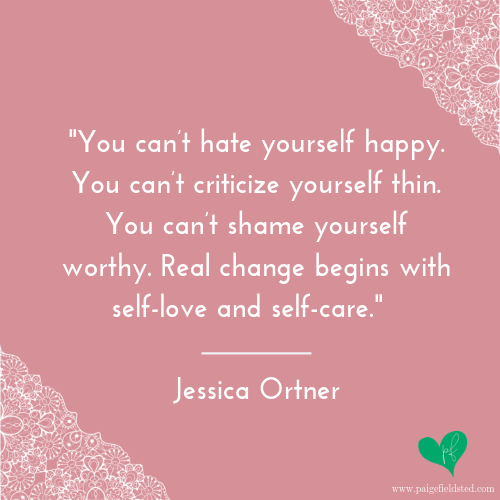
So many of us engage in negative self-talk, saying sometimes downright cruel things to ourselves. How many of us walk around calling ourselves derogatory names like “idiot,” “loser” or “dumbass?” I suspect many of us engage in this sort of self-shaming talk without even realizing it. I wonder what would happen if instead of calling ourselves nasty names, we instead referred to ourselves in loving terms, using words like “darling,” “love” or “sweetheart?” I wonder this because it matters how we speak to ourselves. We cannot shame ourselves into self-love. We cannot speak badly to ourselves and expect our brains and bodies to respond positively.

Instead of engaging in negative self-talk, try countering those statements with positive affirmations. Focus on those parts and qualities of you that you like and voice them aloud. For example, instead of calling yourself ugly, compliment yourself aloud on your beautiful eyes, your winsome smile, your lovely hands. Instead of calling yourself stupid, remind yourself that you have skills others may not possess. Instead of berating yourself for making a mistake, remind yourself that you are doing the best you can with what you have right now. You are listening to the way you speak to yourself so try to speak kindly to yourself, just as you might speak to a friend or other loved one. More likely than not you would not say cruel things to a loved one, so why speak that way to yourself?

It takes practice to move away from negative self-talk and self-shaming but I guarantee the more you practice positive self-affirmations and positive self-talk, the closer you will come to self-love. It may seems strange or silly at first to speak kindly to yourself but I suspect that with practice, you will notice a marked shift in the way you not just perceive yourself but in the way you feel about yourself. You might notice that you stand a little taller, walk with more confidence and speak with more authority after practicing positive self-affirmations for a few weeks. The more we engage in positive self-talk the better we will start to feel about ourselves and the more we will come to love ourselves for the perfectly imperfect beings that we are. We all have positive qualities we can focus on; what are yours? Think for a moment about three things you like about yourself and voice them aloud. Perhaps your three things are that you are kind, caring and compassionate. Voice those things aloud in “I am … ” statements. Remind yourself that there is more good about you than bad and then focus on those good qualities. Remember that the way you speak to yourself matters and that you cannot shame yourself into self-love.

What three positive things about yourself might you be able to focus on today? Can you voice those things? Can you counter your negative self-talk with positive self-affirmations? The more you do so, the better you will feel about yourself. Why not give it a try? Why not give yourself a chance to feel good about yourself?

~ Karri Christiansen, MSW, LSW, CADC, CCTP

Self-love is not borne of shame