Overthinking and the need for control

Most of us will engage in overthinking from time to time. This is, to some extent, normal and human. But when overthinking begins to affect our sleep, mood. outlook and emotions, we may need to find ways to avoid overthinking.

Overthinking is the habit of excessively analyzing, dwelling on or replaying thoughts, conversations, decisions, and/or problems such to the point that these become all-consuming and begin to lead to anxiety, depression, sleep disturbances and decision paralysis. Most of us will engaging in overthinking at some point. Some of us will take this to the extreme.

Overthinking often is an attempt to better understand something that already has happened, or can be an attempt to try to control a future outcome. Overthinking often leaves us thinking about past conversations or events, trying to make sense of them. But sometimes when we engage in overthinking about something that happened in the past, we are making some kind of attempt to rewrite history. Unfortunately, we cannot go back in time and change an interaction or conversation with someone. That time has already passed. We can, though, use that interaction or conversation as a lesson, informing us as to how to go about something differently, or better, in the future.

Overthinking something that already has happened also can involve self-shaming thoughts or feelings, particularly if we feel or think that a conversation or interaction did not go as planned, or we perceive that it has gone badly, or when we try to assume how another person felt or what they thought of the interaction, or what they thought about us. Humans can have a tendency to beat themselves up with self-shaming thoughts or use derogatory names to describe themselves or their behavior when a conversation or interaction did not go as we might have liked.

What happens when we repeatedly engage in overthinking is that we can end up in a downward spiral of anxiety and depression, reliving a moment in time that already has passed. This is our brain’s way of trying to make sense of something. This is also our brain’s way of trying to control a narrative that already has happened. Unfortunately, again, we have no control over events, interactions, or conversations that already have happened. But we can learn from them.

We as humans also tend to overthink about future events, things that are planned or conversations we need to have, as a way to prepare for something that has not even happened yet. This, too, is our brain’s way of trying to control the narrative. The thing is, though, that we have little to no control over what may or may not happen in the future. We have little to no control over how other people may behave in the future, and we have little control over what others may say in the future. Overthinking is our brain’s way of trying to control the narrative.

When we engage in overthinking, we often entertain worst-case scenarios that may or may not happen. Again, this is our brain’s way of trying to control the narrative. This can lead us down the rabbit hole of negative thinking or negative self-talk, heightening our anxiety and depression. This happens when we engage in all-or-nothing thinking, catastrophizing, mind reading, and jumping to conclusions. All of this can affect our sleep, particularly if our overthinking happens at bedtime.

So, how do we stop overthinking? One way is to reflect on what our triggers are for overthinking. For some people, keeping a journal of when we tend to engage in overthinking and what we’re thinking about can be helpful. Once you are aware of what triggers your overthinking, you can adopt coping strategies for situations that provoke overthinking.

Another way to combat overthinking is to really challenge your thinking. What evidence do you have to support your thoughts? What evidence do you have to the contrary? Really try to test the veracity of your thoughts? Are these just stories you have made up in your head, or is there really a good foundation for the thoughts? It is often helpful to be wary of the stories you tell yourself about what has or what may happen.

Sometimes asking to run some thoughts by a trusted other can be helpful, as long as you are open to their ideas. Asking them to be honest with you about your thoughts is important, so that you do not end up in an echo chamber. If you find yourself co-overthinking with that trusted other, that can actually make anxiety worse.

Another way to get away from overthinking is to engage in a healthy distraction, such as reading a book or watching a favorite show or movie. Engaging in an activity such as exercise or something else that will get your mind off things also can be helpful. Be careful to avoid using alcohol or other drugs to turn your brain off, as doing so can lead to other problems that may need a solution later.

If you are feeling anxious due to overthinking, a breathing exercise such as four square or box breathing (breathing in for four seconds, holding breath for four seconds, exhaling for four seconds) can be helpful. Meditation also can be helpful to manage overthinking and the anxiety that often accompanies it, as can practicing mindfulness.

Overthinking happens to most people at some point. It becomes troublesome when you find yourself in an endless loop of thinking that is not helpful. Remembering that we tend to engage in overthinking as some sort of attempt to control the narrative, either past or future, can be helpful. Reminding ourselves of what we do and do not have control over also can be helpful. This means reminding ourselves that what we really have control over is what we think, say and do. We have little to no control over what others think, say or do. Think about what you really can control. And remind yourself that overthinking is a human tendency. Beating yourself up for overthinking generally is not helpful and likely will not stop that behavior. Offer yourself compassion for being human, while challenging and testing the veracity of your own thoughts.

~ Karri Christiansen, MSW, LCSW, CADC, CCTP
Overthinking and the need for control

Breaking the shame and self-sabotage cycle

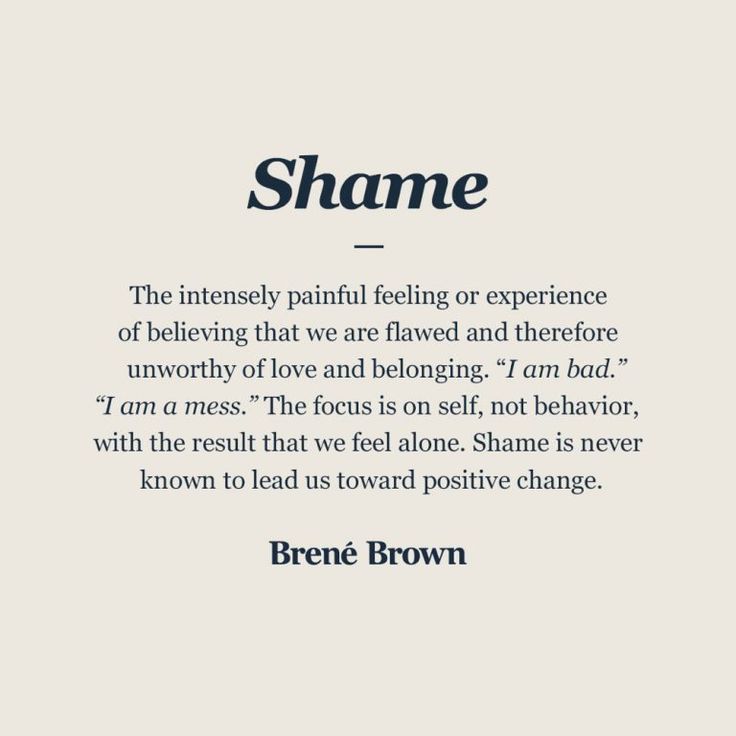
Most of us have felt it, that tricky feeling that tells us we’re not good enough, we’re not smart enough, we’re not deserving of love, of belonging, of even having our basic needs met, of happiness. It’s shame and it’s one of those feelings that can leave us feeling depleted, defeated, and lead us to engage in all manner of self-sabotaging behaviors.

Shame is an insidious feeling. It eats away at us and leads us in a downward spiral that can feel nearly impossible to break free from. Merriam-Webster defines shame as “a painful emotion caused by consciousness of guilt, shortcoming, or impropriety, or a condition of humiliating disgrace or disrepute.” And while shame is a normal, human feeling, we ourselves often feed it with negative self-talk, perpetuating and intensifying the feeling.

When we feed shame, it tends to grow and can lead us down a path of self-sabotage. We feed the feeling of shame both by engaging in negative. often self-shaming self-talk and then also by behaving in ways that are, at best, not helpful. We feel badly about ourselves, for whatever reason, perhaps we made a mistake, and then add fuel to the fire by engaging in behaviors such as consuming alcohol or other drugs, eating unhealthy foods, spending too much on some retail therapy, engaging in risky sexual behavior. And thus, we perpetuate the shame and self-sabotage cycle. Because when we have engaged in these or other similar behaviors, we start the self-shaming, negative self-talk all over again. We end up in a vicious cycle.

So, how do we break the shame and self-sabotage cycle? First, we have to recognize the pattern that we have found ourselves in. Some people describe it as a negative spiral, a downward spiral, like an airplane falling out of the sky and the pilot needs to pull up the yoke before the plane crashes and burns. It can be challenging to even recognize that we are in a shame and self-sabotage cycle, particularly if we have been living in chaos for a long period of time. We become used to being comfortably uncomfortable. But, the thing is, we don’t have to live this way. We can break free of that cycle when we come to the realization that we deserve better and then demand better, not just of ourselves but of others.

Breaking the shame and self-sabotage cycle depends on offering ourselves kindness, grace and compassion. Shame cannot live in love. Shame will never help us think better, do better or feel better. Particularly if we are struggling with some heavy emotions or have made a mistake or have found ourselves in an untenable situation. We cannot shame ourselves into changing either the way we think or our behaviors.

We can, though, offer ourselves some grace, kindness and compassion by speaking to ourselves as we might a friend or loved one. We can break the shame and self-sabotage cycle by engaging in positive self-talk, by being our own best cheerleader and by giving ourselves grace for being human. We can break the shame and self-sabotage cycle by reminding ourselves that pretty much everyone on the planet makes mistakes, and that’s okay. That is part of being human. We can break the shame and self-sabotage cycle by reminding ourselves that we, as humans, are inherently worthy of love and belonging and happiness. We deserve these things simply because we exist. We do not have to earn love or belonging or happiness.

Breaking the shame and self-sabotage cycle also asks us to make better choices, because we deserve to make better choices that will benefit our minds and our bodies and our souls. If you have turned to alcohol or other drugs, or sex, or food, or shopping, or other risky behaviors in an effort to somehow numb the heavy feeling of shame, you more than likely will not only feel worse in the end, but you may end up with a separate problem that requires attention. Cutting back or cutting out the drinking, drugging, eating unhealthy foods, and overspending is a good way to get out of the shame and self-sabotage cycle. It’s okay to make healthy choices that will leave you feeling better about yourself, your life or your situation.

Many people have or will find themselves in a shame and self-sabotage cycle at some point in their lives. That is part and parcel of being human. But we cannot shame ourselves into thinking better, doing better or feeling better. We cannot numb ourselves out of this feeling by engaging in risky behaviors. We can, though, offer ourselves grace, kindness and compassion for being human, much as we might offer a friend or loved one.

Is it time for you to let go of shame and self-sabotaging behaviors? Is it time for you to let go of the negative self-talk that perpetuates the shame and self-sabotage cycle? Can you practice offering yourself grace, kindness and compassion? Can you speak to yourself with the love you might offer a friend or other loved one? You deserve love and belonging and happiness, just as any other human being does, simply because you exist. Try showing yourself that love; you might just feel better.

~ Karri Christansen, MSW, LCSW, CADC, CCTP

Breaking the shame and self-sabotage cycle

Be an objective observer of your own thoughts

Science tells us that we have upwards of 80,000 thoughts a day. That’s a lot of thoughts, and the truth is, we are not even aware of many of them. Some of our thoughts are helpful, but others are may not be. In fact, some of our thoughts might not even be true. That thought alone can be hard to wrap our heads around.

Sigmund Freud, the father of psychoanalysis, spoke of three levels of thought: unconscious, pre-conscious, and conscious thought. Thoughts that are in our unconscious are those thoughts of which we are not at all aware. Those thoughts that are in our pre-conscious are those that we can easily bring into the conscious realm. Thoughts that are in our conscious realm are those of which we are fully aware. It’s those thoughts that are in the conscious realm that can really trip us up.

Many of our thoughts are helpful. They provide direction and support throughout our days. These thoughts can help guide throughout our lives. But some of our thoughts, particularly those of which we might not be fully aware, can be less helpful and lead us down a path of storytelling. This storytelling path is often what leads us to struggle with those sometimes challenging emotions of fear, anger, frustration and contempt. What happens, though, if we give ourselves permission to simply observe our thoughts so that we can slow down and decide what, if anything, we want to do with those thoughts?

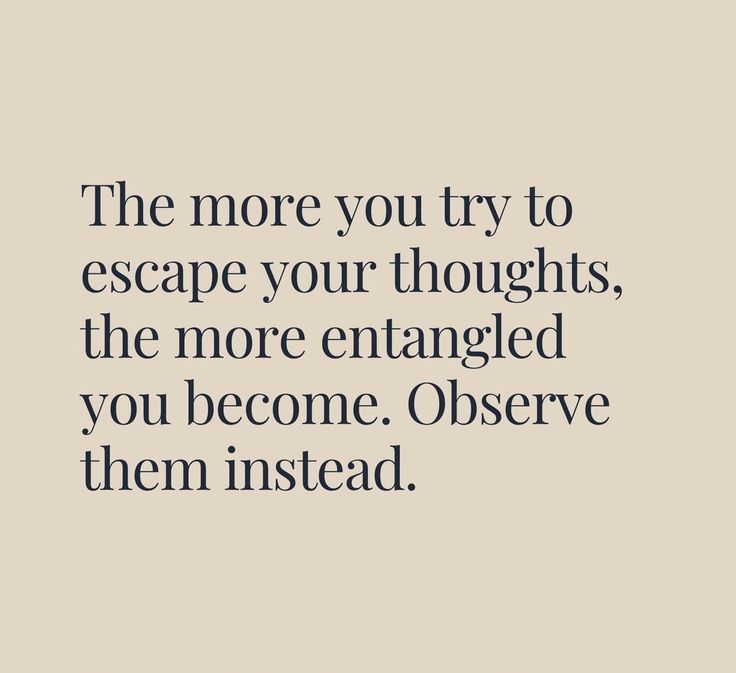
What happens when we become observers of our own thoughts? This is known as metacognition, and can be quite helpful, especially when we start telling ourselves stories about what is happening in our lives, what others are doing or how others are behaving. When we become objective observers of our own thoughts, we can gain control over how we want to respond to those thoughts. Meaning, we loosen the grip our thoughts have over us. When we become observers of our thoughts, our thoughts no longer control us or have power over us.

Thoughts are tricky. While some are helpful, others can lead us to feelings or actions that may seem incongruent with our values. Cognitive behavioral therapy posits that our thoughts lead to feelings and then to our behaviors. Some of this seemingly happens automatically, or in our unconscious or pre-conscious realms. This sort of automatic thinking can at times be helpful. but also can be hurtful. When we give ourselves permission to slow down and observe our thoughts, we can choose how to respond to our thoughts.

How do we observe our thoughts, though? An important step in slowing down and observing our thoughts is to simply pause and take a deep breath and really give some thought to our thoughts. Do this without assigning judgement or value to the thought at first. Then, test the veracity of the thoughts. Are our thoughts true? What evidence do we have to support the thought? Is there evidence to the contrary? If the thought is true, what do we want to do with or about the thought? Does the thought influence the way we feel? Does the thought require some sort of action or behavior?

Try observing thoughts like clouds in the sky. Clouds change shape and float by us in milliseconds. Thoughts behave similarly. When we give ourselves permission to simply observe our thoughts without judgement, we can more easily let them go. It’s when we hold onto a thought and really dig in and start to tell ourselves stories about the thought that we can get into trouble. But thoughts are just thoughts. We have the ability to look at them objectively, without judgement or assigning them weight or value. Then, we can decide what, if anything, to do with the thought. That is where our power lies.

Can you give yourself permission to slow down and become an objective observer of your thoughts? How would doing so help you gain some feeling of control over your feelings and behaviors? Can you remind yourself that thoughts are just thoughts, some of which are true and some of which may not be? Can you test the veracity of your thoughts and then determine what, if anything, to do about the thoughts? Doing so may leave you feeling empowered.

~ Karri Christiansen, MSW, LCSW, CADC, CCTP
Be an objective observer of your own thoughts

Is it love, or addiction?

It is more common that one might think: mistaking love for being addicted to a certain person. People may mistake that headiness for love when, in fact, what they are experiencing is being addicted to the ups and downs of a tumultuous relationship. People sometimes become addicted to being on an emotional roller coaster caused by an unstable relationship.

The Big Book of Alcoholics Anonymous describes alcohol as “cunning, baffling and powerful.” The same could be said for certain relationships or people. Certain people leave us believing what we are experiencing is love, when, in fact, it is addiction. We come to believe we cannot live without a certain person. We try to convince ourselves that the red flags we see in the periphery are not that bad, that we can tolerate the uncertain nature of the relationship and the unpredictable, unreliable behaviors of a certain person. We come to believe that the relationship is somehow special .. that the bond that exists is somehow special … that we are special because this other person chooses to spend time with us. We come to be addicted to the person, mistaking love for addiction.

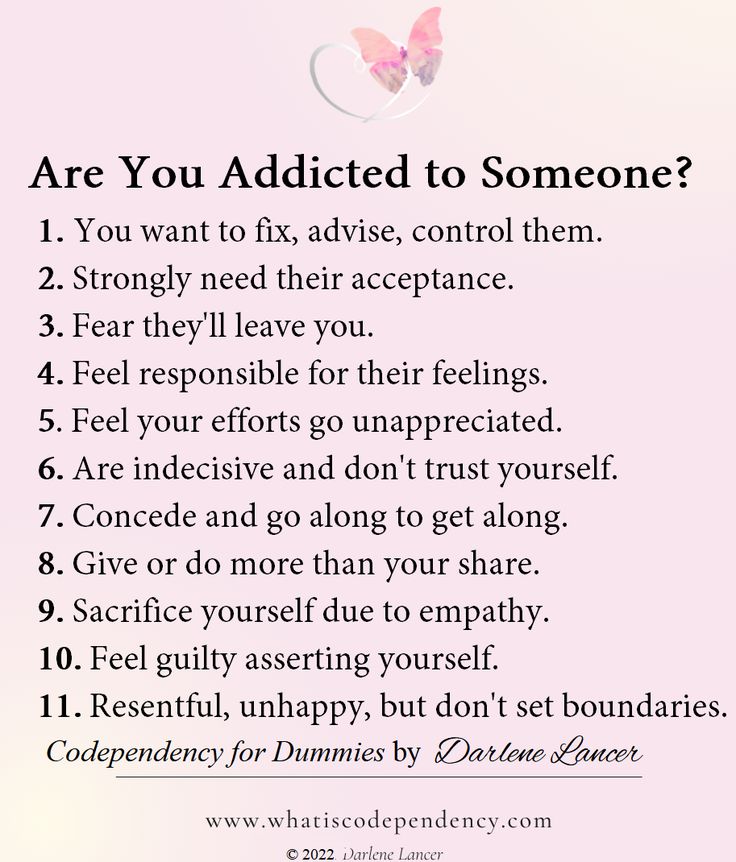
This is more common than one might think. I have met and worked with several individuals who have found themselves in relationships they have trouble ending, despite all the warnings and red flags. These relationships can last months, years, even decades before they are ended. Ending them can be challenging, because people tend to convince themselves that the relationship will improve with time. People who find themselves in these sorts of addictive relationships tend to think that if only they could be a better partner, do more, or work harder their partner will be the person they need them to be. That rarely works, leaving one partner feeling resentful and exhausted.

People who find themselves in addictive relationships often find it difficult to assert themselves, plainly stating their needs, wants, hopes and desires. People who find themselves in addictive relationships often have difficulty setting and enforcing boundaries. It is important to remember that your needs, wants, hopes and desires are just as important as your partner’s. It is okay to share what your needs are in clear, plain and kind language. It is okay to set boundaries with your partner, so that person knows what you will and will not tolerate in a relationship.

If you do not share your needs, wants, hopes and desires, if you do not set and enforce clear boundaries, the likelihood that you will experience feelings of resentment is high. Resentment builds when we feel that our needs are not being met, that we are not being heard or when we feel disrespected. It is crucial to the health of the relationship that both partners feel seen, heard and respected.

A healthy relationship does not leave one partner feeling as though they are doing all the work. A healthy relationship does not leave one partner feeling unseen, unheard or disrespected. A healthy relationship does not feel lopsided. No one partner should feel as though the onus is on them to maintain the health of the relationship. Both partners should be working equally hard to maintain the health and stability of the relationship. If that is not happening in your relationship, it may be time to re-evaluate the relationship and its future.

If you find yourself in a relationship that has left you feeling exhausted and as though you are on an emotional roller coaster, it may be addiction rather than pure love. If you find yourself walking on eggshells with your partner because you are afraid of how that person will react or respond to you voicing your needs, wants, hopes and desires, it may be time to re-evaluate that relationship. Indeed, it may be time to end that relationship.

If you have found yourself in something that feels more like addiction than pure love, it is okay to end the relationship. That may mean deleting and blocking that person from your social media accounts, phone and contacts. That may mean completely cutting ties with that person. Yes, that likely will be difficult, but in the long run, you likely will notice improvements in your mental and emotional health, and self-esteem.

Know that you deserve better in a relationship than to feel as though you are solely responsible for its health and future. Are you ready to clearly state your needs, wants, hopes and desires? Are you able to set and enforce boundaries with your partner? Can you give yourself permission to step away from something that feels more like addiction than pure love?

~ Karri Christiansen, MSW, LCSW, CADC, CCTP
Is it love, or addiction?

How to avoid the tit-for-tat tango

Let’s just be clear: Relationships are not easy. Romantic relationships can be particularly hard to navigate, in part because they consist of two people who may come from vastly different backgrounds, with vastly different ideas about what it takes to make a relationship work, and with vastly different ideals and values. Relationships take a lot of work, even in the best of circumstances.

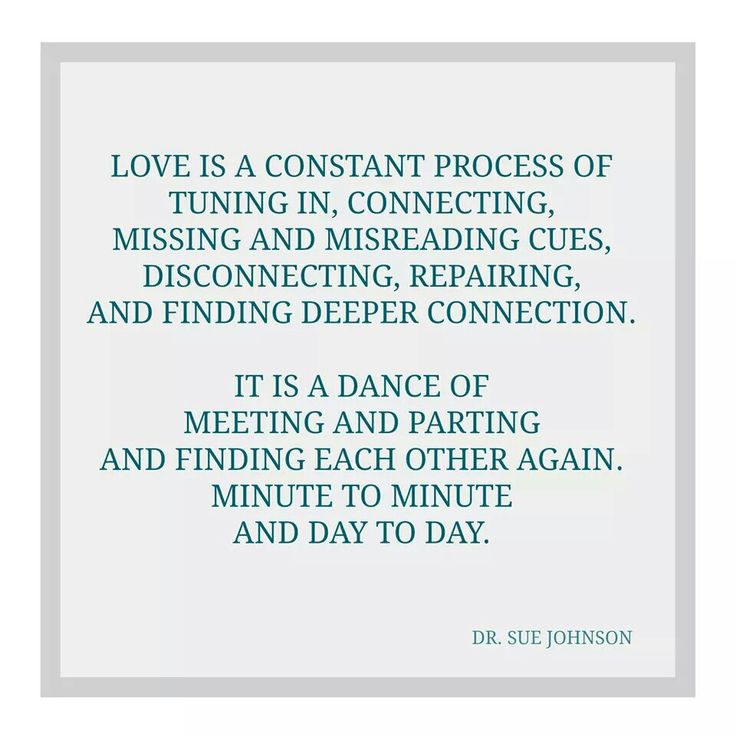
Dr. Sue Johnson, author of “Hold Me Tight” and “Love Sense” describes relationships as a sort of dance, a tango, where sometimes one partner is pursuing and the other is moving away, while other times. the other partner is the pursuer. Sometimes, it is difficult to connect if one or both partners are holding on to grudges about perceived or real past misdeeds committed during the course of the relationship. Other times what gets in the way of really connecting with a partner is a failure to speak honestly about our values, our needs, wants, hopes and desires in the relationship.

When this happens, we may find ourselves drawing from a sort of Rolodex of past transgressions, flinging past misdeeds or mistakes at our partners in some backward and feeble attempt to share our feelings or communicate our values or indicate that our needs are not being met. Often what happens next is that couples start to engage in a sort of tit-for-tat tango, with partners hurling past wrongs at each other in some sort of bid for connection, some sort of bid to share emotionally or some sort of bid to get our needs met that goes horribly wrong.

How do we avoid this tit-for-tat tango? Well, it means we have to give ourselves permission to really get in touch with our deeper emotions, our needs and our values and share those with our partners in constructive, kind and compassionate ways. We cannot forge connection through criticism or nagging or by reminding our partners of past misdeeds or mistakes.

We can avoid the tit-for-tat tango by engaging in calm discussions about our needs, our values and our desires in a relationship. Yes, that means that we have to give ourselves permission to be vulnerable with another person. Yes, that means we have to get in touch with our deeper emotions. Yes, that means that we have to share emotionally. It also means that we give up the delusion that our partners can read our minds or that we can read theirs. We must also try to stop assuming that we know how our partners will respond to or feel about whatever we have to share. If we are not sharing what we are thinking, feeling and needing, our partners may, at best, be able to make an educated guess. Sometimes they may be right, but sometimes—because they are human—they may get it wrong. It is best to simply share our values, needs, wants, hopes and desires with our partners so we do not put them in the awkward position of having to guess.

We can and should avoid the tit-for-tat tango by remembering that it really is not fair to draw from the Rolodex of past transgressions when in the midst of a discussion about what is happening in the relationship now. It is not helpful to engage in a sort of “You did this” … “Well, you did that” … “Well, you did this other thing” type of conversation. These sorts of conversations really only serve to build walls of resentment and anger, which is generally not helpful in any relationship. Focus on what is happening now, what you need now to move forward in the relationship.

Relationships take a lot of work. That work hopefully involves sharing what our values are, what our needs, wants, hopes and desires are. Avoiding the tit-for-tat tango requires that we stop drawing from the Rolodex of past transgressions, that we stop using criticism as some feeble bid for connection, and that we get in touch with our own emotions, and show curiosity and compassion for our partner’s emotions. Avoiding the tit-for-tat tango also requires that we own up to our mistakes or misdeeds, apologize for them and take responsibility for our words and actions, possibly by changing our behavior.

Yes, relationships take a lot of work. But if we can give ourselves permission to get in touch with our emotions, our values, and our needs, wants, hopes and desires, and share them with our partners, we may be able to avoid the tit-for-tat tango that so many of us find ourselves dancing. If we can avoid thinking that our partners should be able to read our minds, we can avoid feelings of disappointment that our expectations were not met. Our partners cannot know what our expectations are unless we share them. Avoiding the tit-for-tat tango requires that we share what we are thinking and feeling, and asks of us to be vulnerable with our partners on an emotional level.

Are you ready to dance a different dance? Can you give yourself permission to get in touch with your deeper emotions? Can you share with your partner your values? Can you share with your partner your needs, wants, hopes and desires?

~ Karri Christiansen, MSW, LCSW, CADC, CCTP
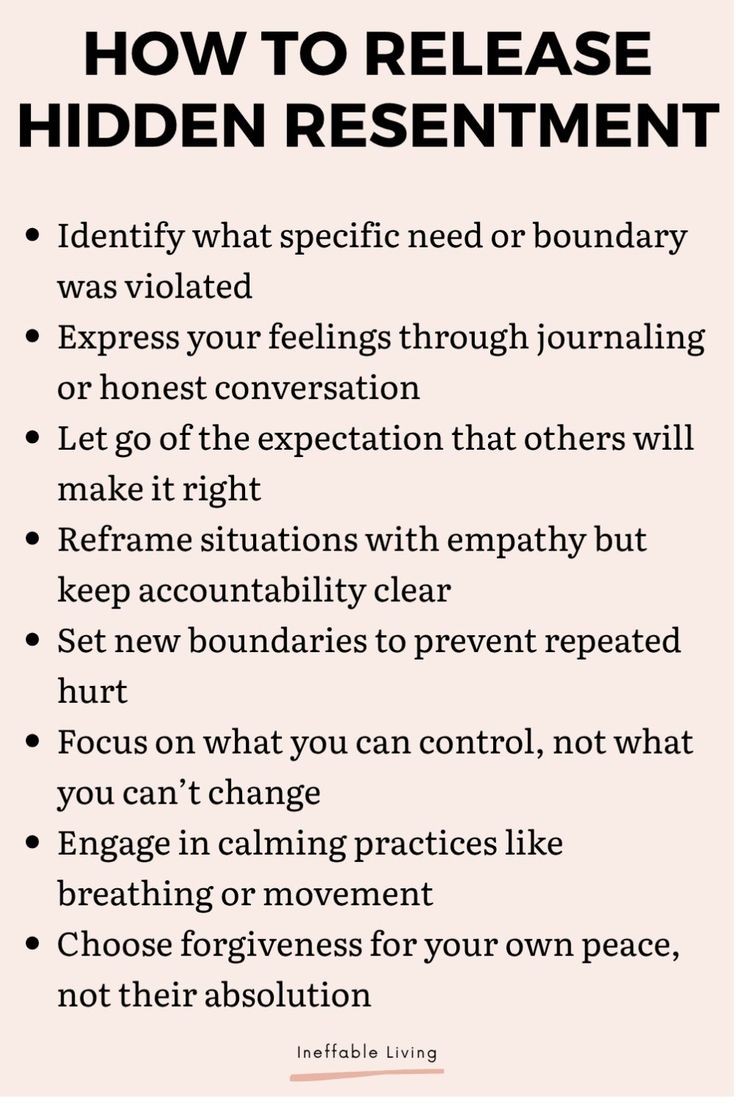
How to avoid the tit-for-tat tango

It’s time to stop shoulding yourself

We as humans are fantastic at berating ourselves, shaming ourselves, calling ourselves derogatory names. Most of us are our own worst critics. Many of us speak negatively to ourselves, even with cruelty. Many of us say things to ourselves that we likely would never say to a friend or family member. Most of us are guilty of shoulding all over ourselves. It’s time to stop.

Yes, it’s time to stop shoulding yourself. And, yes, that sounds exactly the way it is supposed to. Many of us engage in the sort of thinking that tells us that we should be doing this, or should be doing that, that we should feel a certain way, think a certain way, look a certain way. We do this shoulding of ourselves with some weird hope that we may feel better about something in our lives, the way we exist in the world … that doing so will make us somehow worthy of love and belonging and acceptance.

The fact of the matter is, we cannot shame ourselves into feeling better, doing better, performing better, thinking differently or looking a different way. When we should ourselves, we likely are coming from a place of shame. For “should” is borne of shame. And that little gremlin shame likes to tell us that we are not good enough, that we are not smart enough, that we are not doing enough, that we are not enough of anything. That gremlin is wrong. We were born enough.

When we should ourselves we are not treating ourselves with the same compassion, respect or care that we likely offer to others. When we should ourselves, we are buying into the story that we are somehow, in some way, not good enough. It’s time to stop shoulding all over yourself.


So, how do we stop shoulding all over ourselves? We practice speaking kindly to ourselves. We practice offering ourselves some compassion. We practice caring for ourselves in healthy ways. We course correct and try to remind ourselves that we usually are doing the best we can with what we have right now. And we remind ourselves to test the veracity of our thoughts, look for evidence to the contrary and think of something positive, something helpful, to say to ourselves.

We stop shoulding all over ourselves by reminding ourselves that it is okay to be our own loudest cheerleader rather than our own loudest and meanest critic. Again, we cannot shame or should ourselves into being, thinking or feeling better. It just won’t work. What it will do is make us feel worse, and lead us into shame spiral that can feel hard to climb out of.

If you find yourself shoulding all over yourself, heading into that shame spiral, stop and think just for a moment if that line of thinking is helpful or hurtful. What evidence do you have to support those shoulding/shaming thoughts? Is there evidence to the contrary? Think about whether you would say or do to a friend or family member what you are saying or doing to yourself. Most likely, you would not speak cruelly or behave with cruelty toward a friend or family member. It is okay to be kind to yourself and to lift yourself up, particularly if you find yourself in a shame spiral.

It’s time to stop shoulding all over yourself. What steps might you be willing to take to move away from shoulding and shaming self-talk and behavior? Can you remind yourself that should is borne of shame and that shame tells us the lie that we are not good enough. Can you remind yourself that you are good enough exactly as you are?

~ Karri Christiansen, MSW, LCSW, CADC, CCTP
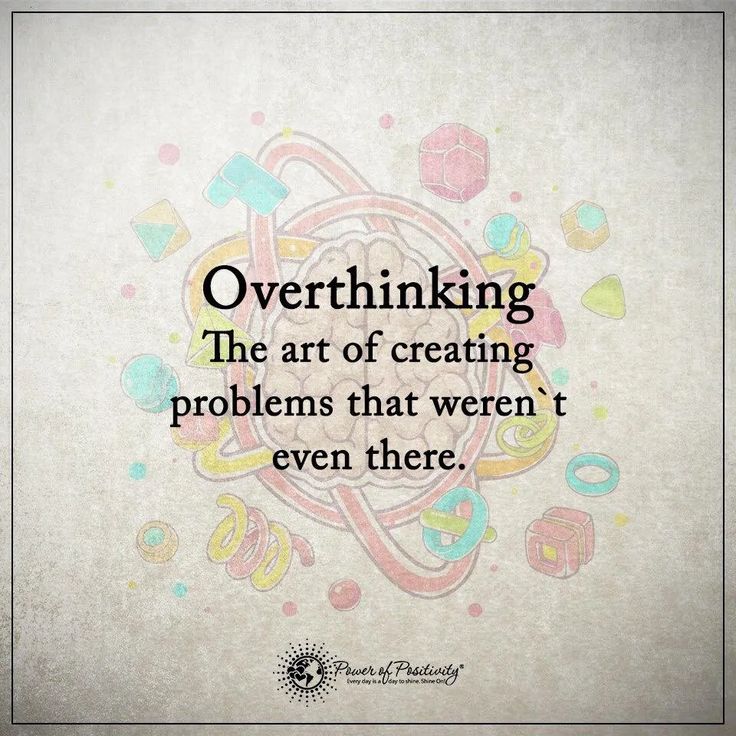
It’s time to stop shoulding yourself

Acceptance is radical self-compassion

About three years ago, I started a meditation practice with the help of the Calm app on my phone. To say it has been helpful would be an understatement of epic proportions. Meditation has changed my life so much for the better, I often find myself trying to remember how I lived without it. Meditation has been a true gift for me for many reasons, not the least of which is that I live with less anxiety and more compassion than I used to.

A few weeks ago, my meditation teacher made a statement that I continue to try to wrap my head around as it was so profound, I have been trying to determine how I can apply it to my life and to that of those I work with in therapy. The statement was this: “Acceptance is radical self-compassion.” What a meaningful thought, what weight this carries with me and likely with countless others. We in my profession speak much about the need for folks to practice self-compassion, sometimes without really explaining what that means, what it can look like and what it can sound like.

Self-compassion is so much more than being kind to yourself or loving yourself. It is the practice (notice I say “practice”) of offering yourself the same kindness, grace and space that you might offer any other human, be it your best friend, a sibling, a coworker, a parent. Self-compassion is the practice of speaking to yourself in a loving fashion. It is being your own cheerleader, rather than your own worst critic.

So, if that is true, that self-compassion is kindness and love directed inward, then it must also be true that acceptance is radical self-compassion. What, then, is acceptance? In its purest form, acceptance, according to Merriam-Webster is: the quality or state of being accepted or acceptable; and, the act of accepting something or someone; the fact of being accepted. And, what does that all mean?

Acceptance, to me, means that we stop arguing with ourselves about what is true in our lives. It means we stop wishing things were different. It means we stop wishing our bodies were different. It means we stop wishing we could magically change our circumstances without putting in any effort. It means we stop fighting the aging process. It means we have the courage to accept things the way they are while working to make things the way we need them to be. Acceptance, in many ways, reminds me of the Serenity Prayer:

God grand me the serenity to accept the things I cannot change,

The courage to change the things I can,

And, the wisdom to know the difference.

Most of us are fighting something in our lives. Be it something to do with work, or family, or friends, our children, our pets, ourselves, most of us are in some way wishing things were different. What would happen if things could not be any different? What if things stayed exactly as they are? Would you be okay? Would knowing that you would be okay if nothing were to change make you feel any differently about any given situation? Would reminding yourself that you can accept things as they are while working to improve them make you feel any differently about the situation? The likelihood that things will change dramatically on their own likely is pretty slim. But, you have some power to change your own circumstances depending on what course of action you decide to take.

Acceptance does not mean resignation, or that you capitulate and simply give up. Acceptance means that you acknowledge your situation and then decide what you want to do with that situation. The self-compassion part means that you speak to yourself kindly about whatever it is that is happening and tell yourself that whatever is happening, you are doing the best with what you have right now. Acceptance is radical self-compassion.

Offering ourselves compassion does not mean that we let ourselves off the hook. It means that we are kind to ourselves about our circumstances AND accountable for our actions while we work toward what we want. Self-compassion reminds us that we cannot shame ourselves into feeling better or doing better. Self-compassion asks us to acknowledge our situation, assess both our feelings and our thoughts, and consider what tools we have in our tool belts to elicit change. Self-compassion is kindness and curiosity working together. Acceptance is radical self-compassion.

How can you incorporate acceptance as self-compassion in your life? Is there a situation demanding some self-compassion? Is there a situation requiring acceptance? How can you be kind to yourself while holding yourself accountable? What can that look, sound and feel like?

Karri Christiansen, MSW, LSW, CADC, CCTP

Acceptance is radical self-compassion

Gratitude is the antidote to comparison

And so, we find ourselves well into the holiday season. For many people, this is a season of giving, of gratefulness and of kindness. For many others, though, this season can spur thoughts of comparison, leaving us feeling either inferior or superior to others.

The holiday season can remind many of us of all we have and all we have to be thankful for. Some people, though, find themselves falling into that comparison trap of feeling as though we’re not doing enough, we’re not having as much fun celebrating the holidays as others may be, that our houses are not decorated as spectacularly as other people’s houses, that our holiday fashions pale in comparison to others. Some people may feel as though they have to go overboard with giving, doing and being everything to everyone in order to feel as though they measure up during the holiday season.

What may help us stay out of that comparison trap is practicing gratitude. When we practice gratitude, we give ourselves permission to be thankful for all we have, all we do, for the people in our lives, and the time we have with them. The holiday season can leave us feeling as though we’re not doing enough, that we don’t have enough, that we aren’t enough … but only if we let ourselves feel that way. The antidote to comparison is gratitude.

Yes, it can be difficult to let go of comparison when it seems from magazines, reels, and social media that we might not be “measuring up” to other people. But when we engage in comparison, we are forgetting to practice gratitude for our lives. Practicing gratitude can remind us that many of us have just what we need right now. Yes, some people have more, and some people have less. That does not make us somehow lesser than or better than. Let go of the need for comparison.

What happens when we find ourselves falling into that comparison trap? We may notice that we start to feel either inferior or superior to others. Remind yourself that it is okay to be grateful for what you have while working toward what you want. If you find yourself falling into that comparison trap, try to use comparison as a tool to make your life better, to do better for yourself and for others, to inspire yourself.

Most of us will fall into that comparison trap from time to time; that is normal and human. When you notice yourself feeling somehow lesser than or better than others, try to remind yourself that none of us is lesser than or better than another person. We’re all just different. And that is the beauty of humanity. None of us is exactly the same as another. My life is different than your life. My situation is different than your situation. And, that is okay. Not better than. Not lesser than. Just different. Practice gratitude for all you are and all you have at the moment. Practice gratitude and let go of the need to compare yourself to anyone else, anyone else’s life, and anyone else’s situation.

What can you practice gratitude for during this holiday season, and all the other seasons of your life? Can you let go of the need to compare yourself, your life, your situation to anyone else’s? Can you remind yourself that none of us is better than or lesser than another human? We’re all just different. And that is the beauty of humanity.

~ Karri Christiansen, MSW, LSW, CADC, CCTP

Gratitude is the antidote to comparison

Pity is not the same as compassion

So, like many other people, I am reading “The Let Them Theory” by Mel Robbins, and I find the book intriguing. Much of what I am reading really resonates with me, as likely is true for many other readers. But, while a lot of what I am reading seems on target, some of what I have read so far has rubbed me that wrong way as a human and as a social worker.

In the book, Robbins intimates that most people have the emotional maturity of an eight-year-old. I respectfully disagree. I think many people have better emotional maturity than that. Perhaps what some people are lacking is the emotional vocabulary to accurately describe what they are feeling. Emotions are nuanced, and having the vocabulary to accurately describe what we are feeling is important. That does not mean that if we do not have an expansive emotional vocabulary, we have the emotional maturity of an eight-year-old.

Robbins then goes on to say that we should offer those whose emotional maturity may be less than our own some pity. And compassion. Well, pity is not the same as compassion. In fact, pity and compassion are enemies. Pity implies a tone of superiority toward others while compassion views others as equals.

Perhaps what Robbins is trying to say is that when we choose to react to others whose emotional maturity is less than our own, what we should do is try to offer understanding for where they are coming from. Understanding goes a long way in an attempt to offer compassion. But again, pity is not the same as compassion. Offering someone pity can mean that we keep emotional distance from another person, while offering someone compassion offers us a chance to lean and really try to understand where another person is coming from.

Pity is more akin to feeling sorry for someone and not really trying to understand their plight. Compassion is trying to understand someone’s experience and honoring that experience. If we are trying to gain a better understanding of another person’s emotions or experience, offering that person compassion goes a lot farther than offering someone pity.

As I move through the book, I am reminded that using the “Let Them” theory is just a tool. Anyone who wants to be a better human, who wants to learn that they can choose how to react to what another person says or does may do well to remember that while we cannot control what others think, say or do, we can choose how we want to respond to others. Reminding ourselves that we all experience emotions differently, and express those emotions differently also may be helpful. And, reminding ourselves that some people may have developed a more expansive vocabulary to describe their emotions than have other people, that does not mean that their emotional maturity is less than or better than ours. It’s just different.

Compassion for others requires that we lean in and try to understand where another person is coming from. Compassion asks us to be curious about another person’s experience. It does not mean that we feel sorry for another person or compare that person’s experience to our own. Compassion means that we believe another person’s telling of their experience and respect their experience as their own. Compassion does not engage in comparison with another person’s experience. Compassion requires us to honor another person’s experience.

~ Karri Christiansen, MSW, LSW, CADC, CCTP

Pity is not the same as compassion

Stop wishing things were different

We seem to be living in a world where, for many people, things seem a bit upside down. Many people are struggling with today’s social and political climates, with global warming, the economy, and with everyday stresses and anxieties stemming from our jobs, families and perhaps even friends. Many people seem to be wishing things were different.

I get it. But what happens to our minds, our bodies and our mental health when we keep wishing things were different? What likely is happening is that our stress and anxieties are increasing, leaving us feeling both emotionally and physically exhausted. Wishing things were different not only robs us of the opportunity to accept things as they are, but also speaks to our desire for and total lack of control over external forces. When we are wishing things were different, what we really are saying is that we wish we had control over what other people think, say or do. We are saying we wish we had control over things that are, in actuality, well beyond our control.

Anxiety is borne, in part, when we stress over things we really cannot control. Wishing things were different heightens our anxiety because we are faced with the reality that we cannot control what other people think, say or do. Furthermore, wishing things were different can keep us stuck in the past, leaving us ruminating over things we or other people have said, done or thought. Just as we have no control over what other people think, say or do, we similarly have no control—no power—to go back and change what we or others may have said or done in the past. Stop wishing things were different.

When we stop wishing things were different, we empower ourselves to really consider what we can control. We also give ourselves permission to stop fighting and accept that things just are the way they are. That is not to say that we must resign ourselves to accept situations or relationships that are emotionally or physically unsafe. Nor does accepting the way things are mean that we cannot work toward making the future better for ourselves and others. When we stop wishing things were different, we take back our power and remind ourselves of what we really can control, namely what we think, say or do.

When you get right down to it, we really have control over just one thing, and that is ourselves. We can choose how we want to respond to external stimuli. We can choose how we want to respond to what others say. We can choose how we want to respond to what others do. We can choose to remind ourselves that we really have no control over what others think. When we stop wishing things were different, we empower ourselves to make better choices about how we want to respond to external stimuli.

Is it time for you to stop wishing things were different? Is it time for you to stop and think about what you really can and cannot control? Is it time for you to step back into your power and choose how you want to respond to other people, to external stimuli? Stop wishing things were different and take back your power.

~ Karri Christiansen, MSW, LSW, CADC, CCTP

Stop wishing things were different