
I have been thinking about shame recently and how that has played a role not just in my life, but in the lives of clients and loved ones. As someone who still struggles with occasional self-shaming and as someone who hears and bears witness to others’ self-shaming, I know the destructive nature of this behavior and the profound effect it can have on people. I am reminded on a near daily basis that you cannot shame yourself into self-love.
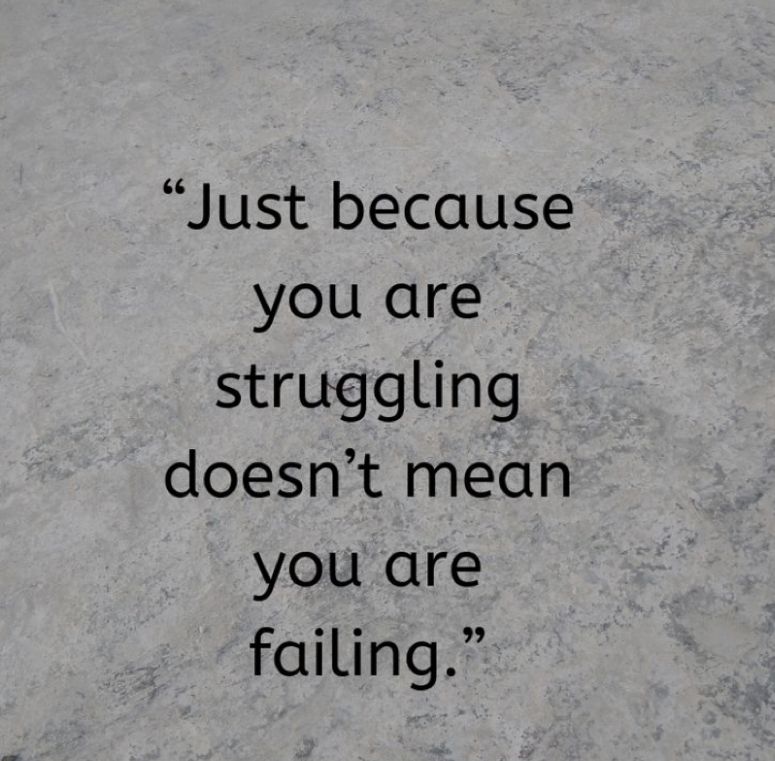
It seems as though many people believe that beating ourselves up can improve performance or somehow enhance us, but such is not the case. There is a difference between showing tough love and beating ourselves up. Tough love can sound like inspiration or motivation. Beating ourselves up sounds like denigration and leads to feelings of unworthiness. This is self-shaming.
Self-shaming sounds like calling ourselves derogatory names. It sounds like yelling at ourselves for perceived mistakes or wrong doings. Self-shaming sounds like the opposite of self-compassion. Self-shaming rarely, if ever, leads to self-love.
When we think about shame, we often find ourselves feeling a certain way. Shame is that little voice inside us that says we are not good enough, pretty enough, handsome enough, smart enough, thin enough … enough of anything. Shame tells us we ARE not enough. It is different from guilt, which tells us we have done something bad. Shame can be the result of internalizing guilt to the point of making ourselves feel as though we are unworthy of the forgiveness of others and the forgiveness of ourselves. Shame leaves us feeling as though we are unworthy of love and belonging both from others and from ourselves.
When we shame ourselves for simply being human, we create for ourselves a broken record of self-defeating thoughts, which can lead to negative self-talk and behaviors which perpetuate those thoughts and that all leaves us feeling as though we are not good enough. So, how do we counteract all that? It starts with recognizing that we as humans are perfectly imperfect beings who sometimes learn by making mistakes and who are worthy of love and belonging simply because we exist. Countering self-shaming is dependent upon the way we talk to ourselves and by practicing self-compassion.

Self-compassion is a crucial component of self-love. It is challenging to offer others compassion if we cannot offer ourselves compassion. Self-compassion sounds like giving ourselves credit for doing the best we can with what we have right now. Self-compassion sounds like celebrating our accomplishments and victories, no matter how small or big. Self-compassion sounds like being kind and gentle with ourselves. Offering ourselves compassion is not selfish. It is necessary to move away from self-shaming.
When we think about self-love, many people seem to think that that is selfish, that somehow offering ourselves the same love we give freely to others somehow is to be frowned upon. This could not be further from the truth. In fact, the opposite is true. It can be challenging to freely love and accept others as the perfectly imperfect beings that they are if we cannot freely love and accept ourselves first.
It took me years to change the sound of my internal monologue, that one that beat myself up for even the smallest mistake or misdeed. But the more I practiced countering those self-shaming and self-defeating statements with self-compassion and loving statements, the better I started feeling not just about myself but about my entire life. What steps might you be able to take to counter your self-shaming statements? What would those statements sound like? I encourage you to notice and reflect on how you feel after even just a few days of practicing saying loving things to yourself. My suspicion is that you will notice feeling better about yourself and your life.
Brene Brown offers a great TEDTalk about shame and you can find it here: https://www.ted.com/talks/brene_brown_listening_to_shame.
~ Karri Christiansen, MSW, LSW, CADC, CCTP
 phoenixrisenblog