
Is social media fueling the loneliness epidemic?

Ask most experts, including U.S. Surgeon General Vivek Murthy, and you will discover that we are in the midst of a loneliness epidemic. Many of us feel lonely from time to time and many of us have felt even more lonely since the start of the COVID-19 pandemic when so many of us were sequestered in our homes, away from family and friends. But what breeds loneliness and how can we combat this often painful feeling?

Experts tell us that one of the things adding to our feelings of loneliness and disconnection is our use of social media. Yes, social media can offer us a quick way to catch up with people we care about but it also can leave us feeling even lonelier, more disconnected and more dissatisfied with our lives. What often happens to some folks who find themselves scrolling social media for any length of time is social comparison, which is comparing our lives to what often is the highlight reels of those who post on social media. When we engage in social comparison, we may start to feel as though our lives are not as fun, exciting or happy as others’ lives. This may leave us feeling lonely, sad and disconnected.

Social media can be a fun and even useful way for us to stay in some way connected to people with whom we might not otherwise engage, but what would happen if instead of scrolling for what for some can turn into hours at a time, we actually reached out to those we follow on social media? Instead of liking or commenting on a friend or family member’s post, perhaps consider calling, texting or video chatting with that person. Perhaps consider scheduling a get-together with people, something that happens live, in real life. And then make that get-together a device-free outing.

One of the things adding to our feelings of loneliness and disconnection stems from sitting next to someone in real life, with one or both of you with your heads down, buried deep in your phone or tablet, voraciously consuming social media. If you want to feel connected to whomever it is you are with, put your device away, turn to your people, make eye contact and engage in conversation. Social media will be there later.
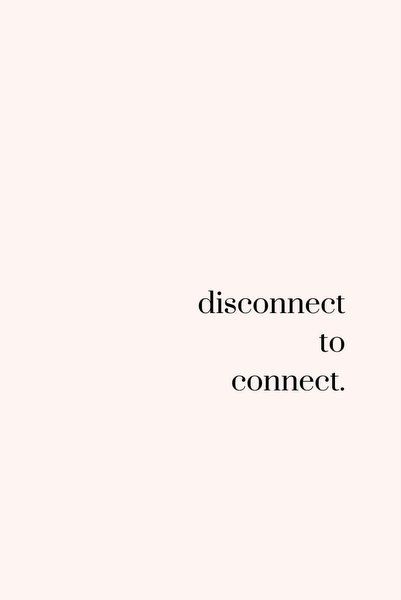
Social media has become such a pervasive part of our lives. Many of us use some platform and many of us turn to social media when we feel bored, lonely or disconnected. Remember that it still is acceptable to reach out to those we care about and engage them in actual conversation. We can still use our cell phones to make phone calls. Remember, too, that social media can leave us feeling even more disconnected, so it is okay to limit your use to an hour or less per day. Some people find it helpful to set a timer for 15 or 20 minutes and then get off whatever platforms that are being used.

It also may be helpful to really think about who you may be following on social media. If you frequently find yourself engaging in social comparison with a particular person or group of people, consider unfollowing or blocking that person or group. It also may be helpful to leave positive comments for those you do want to engage with rather than simply using an emoji to react. Remember, though, that comments should be positive or helpful, rather than negative. There already is so much negativity on social media, it is important to distance yourself from that if you want to see improvements in your mental health.

Social media can be a useful tool to stay in some way connected to those you care about, yes. If you find yourself spending time on social media that leaves you feeling more disconnected, lonelier and badly about yourself and your own life, it may be time to rethink not just how much time you spend on social media, but who you follow, how you engage and what platfoms you are using.

If you really want to combat feelings of loneliness, reach out to trusted others, be they family or friends, and schedule a time to meet in person or via video chat. Remember that these gatherings can and should be device free if you really want to connect. Feeling lonely can leave us with sadness and depression, as well as anxiety. Remember that even in this age of social media, there is nothing wrong with actual, live human-to-human contact. Social media can wait.

~ Karri Christiansen, MSW, LSW, CADC, CCTP
Is social media fueling the loneliness epidemic?

What does it mean to age “gracefully?”

At the risk of stating what to many likely seems obvious, getting older is not easy. Aging is hard, regardless of what your age is. Many of us live in a society where aging leaves us feeling more and more left behind, left out or even invisible. This seems particularly true in the United States, where our elderly often are regarded with some measure of disdain. So, how do embrace aging, as it is, after all, inevitable.

In the United States and elsewhere, both men and women are often bombarded with images and advertising urging us to use “anti-aging” this, that or the other thing. We are encouraged to fight wrinkles and cover up graying hair. We are told that once we reach a certain age, we likely will lose our vitality and be more prone to illness and injury. We are told that we cannot keep up with technology and we sometimes may feel as though the world is moving so fast, we truly cannot keep the pace. But there are steps we can take to embrace our advancing years, regardless of whether we are turning 30, 40, 50, 60, 70 or older.

One of the things we can do to embrace our age is to remember and be thankful for all our bodies continue to allow us to do. Yes, we may no longer be able to run or walk as fast or as far as we used to or shoot hoops with the young folks at the gym without getting winded, but that does not mean we have to give up physical activities or our favorite sports. Be grateful for what you can still do and embrace the possibility of considering different kinds of movement. Perhaps we may not be able to run marathons as we enter a new decade but perhaps we can run half-marathons, 10ks or 5ks. The point is to keep moving. Maybe that means more gentle movement such as yoga or tai chi or walking. Regardless of what activity or sport you enjoy, remember that it is okay to be thankful that your body continues to allow you to move, even if perhaps that movement is different now.

Aging gracefully also means that we can and should be kind and compassionate with ourselves and others as we may find ourselves entering new phases of our lives. Can you be patient with yourself as you navigate what seems like ever-changing technology? Would it be helpful to take a class about computers or cell phones so that you can keep up with the younger folks in your life? Perhaps a friend or family member may be willing to show you around your cell phone so that you can keep up with family and friends via text and video chats. Perhaps you could find a tutorial about how to use the webcam on your computer so that you can Skype or FaceTime with your friends and family. The more we give ourselves permission to seek assistance with ever-changing technology, the less we may feel left behind or left out.

As we age, we may notice relationships changing or that our friends and family are either moving or perhaps dying. It is particularly important as we age to maintain not just our romantic relationships, but our platonic relationships, as well. That may mean reaching out to friends more often and scheduling get-togethers with those who are important to us. We are in an epidemic of loneliness as some may find that the older we get, the more isolated we feel. That may mean finding new and creative ways to forge new connections. Maybe that means joining a book club or gardening club. Maybe that means volunteering for a cause you find important. Maybe that means tutoring younger folks or teaching driver’s ed. Whatever you do, remember that we are wired for connection and our relationships, be they romantic or platonic, need tending to even more so as we age.

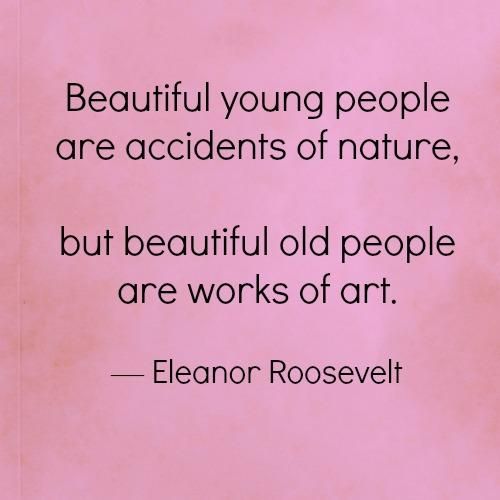
For some of us, aging means coming to terms with our changing appearance. We may start to feel as though our appearance is not what it once was and that can leave us feeling anything from sadness and grief to shame and fear. Some of us may feel that our bodies have somehow betrayed us as we notice our mid-sections expanding and our muscle tone changing. Some of us may notice more wrinkles and gray hair as we age. These are not signs that our bodies are failing us. These are signs that we are in the midst of change. And change does not have to be viewed with fear or sadness. There is beauty to be found in all faces and bodies. Perhaps it may be helpful to focus on those parts of you that you do find beautiful. Perhaps it may be helpful to eschew society’s definition of beauty and embrace your own unique beauty. And, again, try practicing self-compassion when you look in the mirror. Our bodies at 50, 60, 70 or older may not look the way they did at 20, 30 or 40. That does not mean we are not beautiful. It just means we are entering a new phase of our life.

We can choose to embrace aging as a natural, normal part of life by practicing gratitude for our changing faces and bodies, being thankful for what we still are able to do. We can embrace aging by seeking assistance with technology so that we can better keep up with life, our family and friends. We can embrace aging by tending to both our romantic and platonic relationships. We can embrace aging by practicing self-kindness and self-compassion, and by extending that same kindness and compassion to those around us.

Aging is not easy. It does not matter if you are in your third, fourth, fifth, sixth, seventh decade or beyond. What can you do to age with grace? What steps are you willing to take to feel your best as you age? Aging with grace is possible, if we only give ourselves permission to do so.

~ Karri Christiansen, MSW, LSW, CADC, CCTP

What does it mean to age “gracefully?”