
The human brain conjures somewhere between 60,000 and 80,000 thoughts per day and some science indicates that upward of 70 percent of those thoughts are negative. Some of those thoughts seem to run away with themselves, catapulting us into worst-case-scenario thinking, or catastrophizing.
What is “catastrophizing,” anyway? Catastrophizing is when we exaggerate the importance of something in a negative way, imagine the worst possible outcome without knowing all the facts, or when we use language that blows something out of proportion. Most of us engage in this kind of cognitive distortion at some point, often as a way to feel as though we somehow are in control over something over which we likely have little or no control. It can be our way of feeling more powerful over a situation, though catastrophizing often leaves us feeling worse and powerless.
We can hear catastrophizing in the way we speak to ourselves and others about perceived mistakes, physical or emotional pain we experience or when we hear bad news. It sounds something like, “I’ll be fired for that mistake I made. I’ll probably lose my house.” “My back is killing me.” “That lump I found means I have cancer and am going to die.” Most of us engage in this kind of thinking at some point, but there are ways to combat it so that we are not left feeling worse.
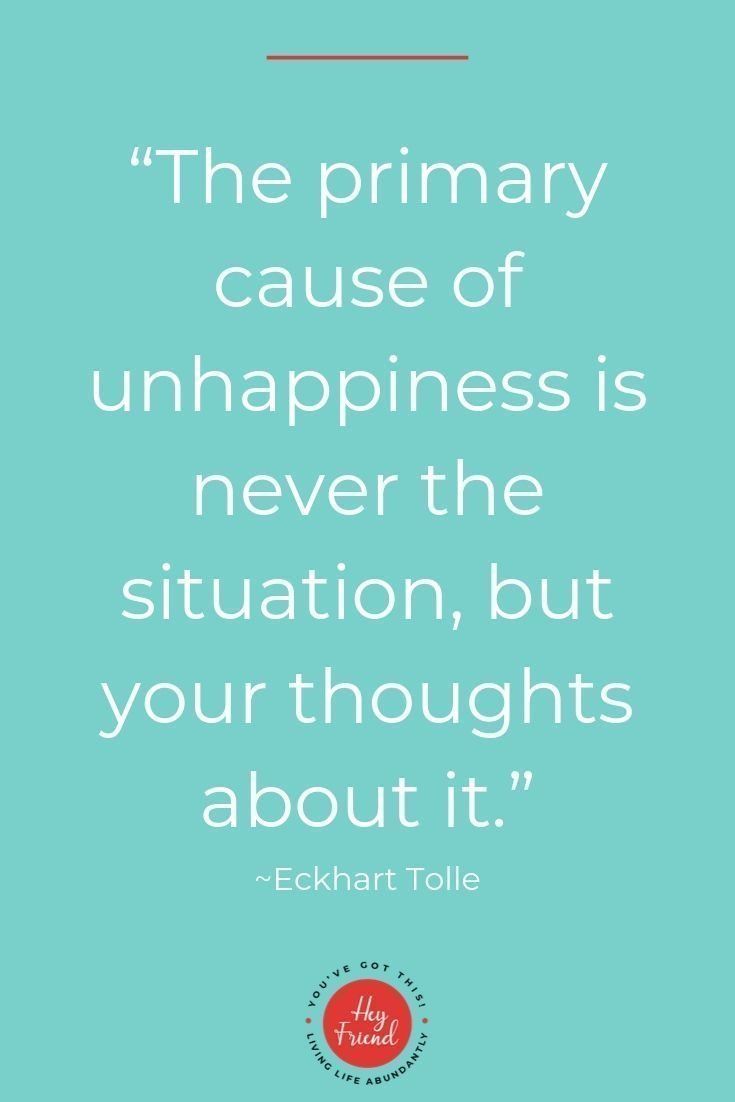
One way to minimize the damage of catastrophic thinking is to test the veracity of the negative thought. Examine the evidence you have to support the thought, as well as the evidence against it. Ask yourself if you might be jumping to conclusions without having all the facts or if you are overgeneralizing something by using all-or-nothing or black-and-white thinking. We overgeneralize when we assume an outcome based on only one or two past instances. It may be well to remind ourselves that just because something may have happened once or twice in the past, that does not automatically mean it will happen again.
Another way we can minimize catastrophic thinking is to consider what the likely outcome could be. Oftentimes, situations do not see the very worst possible outcome or the very best possible outcome. Give yourself permission to see the possible likely outcome given the facts you have. Try not to bend the story to your negative thinking. Once you have imagined all the possible outcomes, consider how well you would be able to handle the worst possible outcome. What are the chances that you would be okay after a month, six months, a year? Give yourself credit for navigating challenging situations from your past and imagine yourself navigating this one with success.
We engage in catastrophic thinking as a way to feel as though we have some semblance of control over a situation. In fact, this cognitive distortion often leaves us feeling more powerless. Search for the facts, find the answers and test the veracity of your negative thoughts. It may be helpful to remind yourself that most of us engage in negative thinking; that is only human. But, we can restructure our negative thoughts by examining the evidence we have to support them.
It also is important to remind ourselves that not only do most of us engage in negative thoughts, often when we do so when we are in the midst of struggle. As Brene Brown says, what we do not need in the midst of that struggle is shame for being human. It is well to remember to offer yourself some compassion for what you are going through and to remind yourself that struggle is part of the human condition. We all struggle but we can give ourselves the power to overcome the struggle by avoiding catastrophizing.
~ Karri Christiansen, MSW, LSW, CADC, CCTP
 phoenixrisenblog