
Anger is a normal, human emotion that most of us feel from time to time. Some people feel anger more so than others, which makes me wonder what is beneath all that anger? Some people seem to be bursting at the seams with anger, ready to pop open at any given moment, unleashing their emotions onto others.
While anger is a normal, human emotion, sometimes it can get the better of us. Sometimes, the anger we carry with us can leave us feeling weary, tired, exhausted. That may be because we have not really considered either the source of our anger or, perhaps, what really is going on. While anger may be what we show the world, sometimes there are other, more painful feelings lurking under the surface. These are the feelings that need attention and care.
If we think about anger the way we might, say, tackle taking apart a stinky onion, we can gain a different perspective. The anger we feel is akin to that crinkly outer skin of the onion. Brittle, easily broken, loud. But what happens when we start to peel back the layers of that onion? As we peel away the layers of that onion, we start to reach deeper more pungent yet more tender parts of the onion. The onion we find at the core has a different feel than what we first notice. Anger is similar.
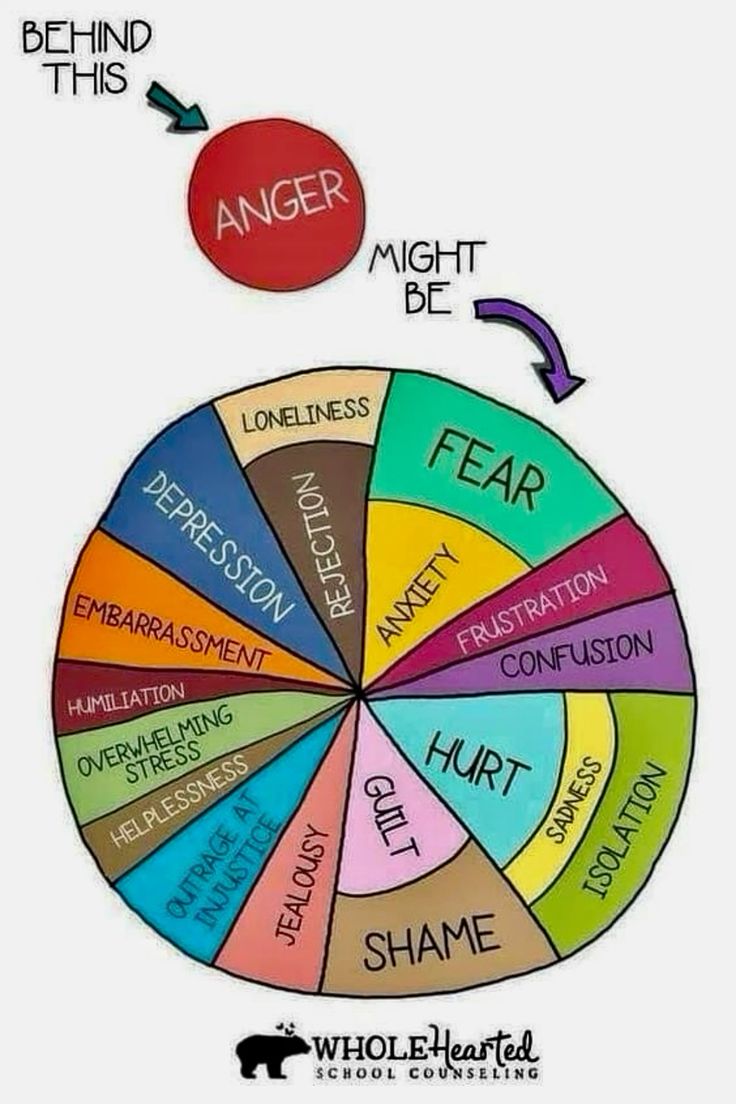
Just as that crinkly outer skin protects the more tender layers of the onion, so does our anger protect us from having to really deal with our more tender feelings. When we avoid those feelings, though, what often happens is that we are overcome with emotion, sometimes at the most inconvenient times. If we give ourselves permission to really think about our anger, consider what we really are feeling, name it and share it, we may feel better.
Say, for instance, that you are cut off (again) in traffic, headed to work. You become enraged! You smartly avoid any untoward hand gestures directed at the other driver yet you find yourself screaming at them in the privacy of your own vehicle. Yes, you may initially feel angry, but what really is underneath that? Do you feel offended? Unsafe? Frightened? Did the other driver put your life in jeopardy? Did you have to swerve to avoid a traffic crash? Perhaps you felt anxious or fearful?
If we can give ourselves permission to slow down before responding with anger, we can get a better grasp of what is underneath that anger. Just as we might slowly peel back the layers of that onion so as to avoid onion-y tears, the more we proceed slowly with anger the more control we have over our response to it. Often, what is underneath all that anger needs care and attention.
Sometimes, we carry with us years of hurt, feelings of betrayal or rejection. Sometimes, we carry with us years of feeling as though anger was the only emotion we were allowed to express in our families, as sadness or tears were frowned upon. Many people struggle with showing others our more vulnerable feelings, in part because we never had a trusted other with whom to share those feelings. If that is true for you, if you have found that your anger permeates all aspects of your relationships, it may be time to take a closer look at that anger. That might mean working with a mental health care professional or speaking with a trusted other.
We all feel angry from time to time. That is normal. But feeling angry all the time can be exhausting, and off-putting to others. What is your anger trying to tell you? What is beneath the stinky onion of your anger? Can you give yourself permission to get in touch with the core of your anger and all those more tender feelings? Can you give yourself permission to peel away the layers of your stinky onion to find out what’s really going on? Doing so may help you feel more at ease.
~ Karri Christiansen, MSW, LSW, CADC, CCTP
 phoenixrisenblog