How do we build resilience?

What does it mean to be resilient? And where does resilience come from? Some argue that resilience is a trait we are born with while others believe it is something we develop over time, after facing hardships, disappointments and adversity. If resilience is something we develop over time, how do we go about doing that?

First, let’s define “resilience.” What does that word even mean, especially these days when it seems as though many of our children win trophies simply for showing up and are whisked away to safe spaces when there is even a threat of trouble or disappointment. To some, the word “resilience” means maintaining a stable equilibrium. For others it means being able to bounce back after stressful events. Merriam-Webster defines “resilience” as an ability to recover from or adjust easily to misfortune or change.

When we think about stressful, adverse or disappointing events or circumstances, it might be helpful to remember that stress is largely unavoidable. We all encounter some measure of stress pretty much every day. Stress is a part of our lives. It is how we respond to stress that matters. Adverse events, disappointments, happen to all of us. None of us will get through life without facing adversity or disappointment at some point. It matters how we manage adversity and disappointments that matters. Do we view stress, disappointment and adversity as a road block, throw up our hands and give up, or do we view stress, adversity and disappointment as a speed bump that if we go over slowly and with care, there will be little damage? The choice is yours.

We can choose to view stress, disappointment and adversity as insurmountable or we can view these things we all encounter as part of everyday life. We can choose to let them determine who we are or we can choose to look at them as stepping stones to becoming stronger human beings.

One of the ways we can build resilience is to remember that even the toughest, most difficult situations rarely last for eternity. If you think about it, even our feelings are temporary … visitors who stay for a while and then leave us. Most situations, however difficult, really are manageable, if we give ourselves permission to look at them objectively and to do so without catastrophizing.

Another way to build resilience is to maintain our sense of hope. If we choose to look at stress, adversity and disappointment as speed bumps on the road of life we can remain hopeful that once we slowly move over the bump. the road will be smooth, at least for a while. Then we give ourselves props for handling the challenging situation the best we could with the tools we had at the time. We take that as a lesson and learn from it, applying what we have learned to the next adverse event, stressful situation or disappointment.

We also can build resilience by remembering that we are stronger than we likely give ourselves credit for. This may mean upping our positive self-talk game, practicing positive self-affirmations and remembering to speak kindly to ourselves. We do not build resilience by engaging in negative self-talk or by putting ourselves down. Give yourself credit for doing the best you can with what you have right now and remember that stressful situations, adverse events and disappointments all are lessons from which we can learn.

~ Karri Chrisitansen, MSW, LSW, CADC, CCTP

How do we build resilience?

The start of a new year offers us a chance to begin anew

I often find myself thinking of life as a story, our story, and one that in many ways, we get to write the way we want. Everyone is living his or her own story, one with varying number of chapters, each with its own theme. The trouble is, sometimes we get stuck in one chapter or perhaps even on one page. The new year offers us all a chance to start writing if not a new chapter, then at least a new page.

For so many people 2022 has been a year of ups and downs, peaks and valleys. Many of us find ourselves wondering if we ever will see and end to the COVID-19 pandemic. Many of us have suffered heartbreak. Many of us have seen either a change in or loss of employment. Many of us have lost loved ones. We can choose to stay stuck in these painful chapters, or we can choose to start writing a new one. We can take steps to own our story by making sure that we are the authors we want to be.

The new year affords an opportunity to begin anew; it’s a fresh start. Yes, some of what transpired in the last 12 months may stick with us for a while but we can choose to let go what we are able and to focus our attention on moving forward. We can choose to remain who we were in 2022 or we can choose to think about who we want to be in 2023.

When we think about being the authors of our own lives, we can consider what kind of book we want to write. Should it be an adventure? A romance? A mystery? Should it be some combination of genres? Being the author of your own story gives you the opportunity to think about how you want that story to read. Being the author of your own story gives you the opportunity to take control of those things you can and to let go of those things you cannot. What do you want your story to sound like?

One of the best things of ringing in a new year is that turning the page gives us reason to take stock of how the story is shaping up so far. Do you like the way things are going or would you like to make some changes moving forward? If so, in what way do you want to change? What steps might you be able to take to make those changes happen?

Perhaps you would like 2023 to be the year of you. Perhaps that means taking time to make yourself a priority on occasion. That might mean practicing self-care with more frequency or doing so in a way that brings you more pleasure by engaging in healthy activities. Perhaps that means learning a new language (perhaps the language of self-love?) or learning a new craft. Perhaps that means spending more time with people who lift you up and/or setting boundaries with those your relationship is more challenging.

Perhaps 2023 is the year you give back to your community, your village, your world. Perhaps that means becoming involved in a non-violent cause or action that you support. Perhaps that means considering running for office. Perhaps that means volunteering for your local animal shelter or domestic violence or woman’s shelter. Perhaps that means tutoring or teaching music lessons.

Whatever you decide you want 2023 to look, sound and feel like, consider how it might impact your unique story. Think about what you want this next chapter to sound like and then consider steps you might take to move in that direction. Your story is up to you. You have the power to write the next chapter in a way that sounds good to you.

~ Karri Christiansen, MSW, LSW, CADC, CCTP
The start of a new year offers us a chance to begin anew

Let’s rethink grief

I have been thinking a lot about grief lately, especially as I approach the 10-year anniversary of my mother’s passing on December 23. Grief is such a tricky emotion. It may seem as though we have moved through grief, only for it to resurface at the holidays, birthdays and other occasions. I am reminded that we do not get over a loss, we get through it.

The tricky question is “How?”

Elizabeth Kubler-Ross many years ago introduced us to the five stages of grief: denial, anger, bargaining, depression and acceptance. Only recently did David Kessler introduce us to a sixth stage, and that is making meaning. I wonder, though, if we should rethink the stages of grief altogether, as well as grief itself. So many of us think of grief primarily when it pertains to the loss of a loved one. Yet, there are so many other things we may find ourselves grieving during the course of our lives.

First, let’s address the stages of grief. Kubler-Ross likely did not mean to imply that the stages are meant to be linear. We do not go through denial and then anger and then bargaining and so on. We may, in fact, find ourselves moving amongst the stages of grief, We may find that we think we have moved past denial only to find ourselves days, weeks, months even years later back in denial. We may find ourselves experiencing two or more stages of grief at one time. We may find that we simultaneously are in depression and anger. We may find ourselves in both anger and bargaining. All of that is okay. We grieve in our own way and in our own time. No one has the right to look at their watch or the calendar on the wall and tell you that it is time for you to be over your loss. You do not get over a loss, you get through it. That may take years, even decades.

We also may find ourselves grieving more than the loss of a loved one. With regards to losing a loved one, you may be grieving the loss of a relationship that never was, particularly if the relationship you had with a loved one was challenging or somehow disappointing. You may find yourself grieving the loss of a pet, which can hurt as badly as losing a human. You may find yourself grieving the loss of a friendship or the hope of what that friendship could have been. You may find yourself grieving the loss of a job, even one you did not particularly like or find fulfilling.

Grief comes in many forms. You may find yourself in grief should you experience a health concern that leaves you unable to function at previous levels. You may find yourself grieving your youth. You may find yourself in grief as you notice your children becoming adults, grieving the loss of their childhood innocence.

We all experience grief in different ways. Kubler-Ross was not saying that we all experience the five stages of grief in the same way, only that these are things we may experience as we move through grief. I like Kessler’s idea of that sixth stage, making meaning, though that may take years if not decades to discover.

One thing we can remember about grief is that it shows us that we cared and loved deeply. Grief, if we allow it, can be a teacher of sorts, showing us who and what is important to us. Grief allows us to think more carefully about our present relationships and the things in our lives that matter most to us. Grief can remind us to show those who remain in our lives how much they mean to us. Grief can remind us to take better care of our physical and mental health. Grief can be a sort of friend, if we allow it.

The holidays can be a challenging time for people under even the best circumstances but can be even more so for those who find themselves in grief. Remember that if you are in grief, it may be helpful to practice healthy coping skills, practice good self-care or to reach out to those people you feel safe with. And, give yourself permission, to move through grief in your own time and in your own way.

~ Karri Christiansen, MSW, LSW, CADC, CCTP

Let’s rethink grief

Speak to yourself with kindness to find self-love

When was the last time you learned a new language? Perhaps it was when you were in school or perhaps more recently with a language-learning app on your phone. Remember what it was like trying to wrap your head around new vocabulary and new rules of grammar? For some, that may have been quite challenging. But I suspect the reward was great.

The same can be true when we retrain our brains to speak with love and kindness to ourselves about ourselves. Some studies show that our brains are hardwired to focus on the negative more than the positive. Some studies show that we are 70 percent more likely to engage in negative thinking than positive thinking. Consider how that affects us, our outlook, our worldview and our views of ourselves. What would happen if instead, we retrained our brains to be more positive not just about the world around us but about ourselves. What happens if instead of focusing on what we perceive as negative qualities about ourselves, we focused on the positive qualities? What happens in instead of engaging in negative self-talk we replaced that with positive self-talk and positive self-affirmations?

Oh, I suspect some people might wonder that if we constantly are propping ourselves up with positive self-affirmations and positive self-talk we may get big heads, lose our humility or become narcissistic. Likely more than not what really will happen is that we will notice a boost in our self-esteem, in our self-confidence and in our self-worth. The likelihood of becoming narcissistic is, in fact, quite slim.

If we think of speaking to ourselves lovingly as akin to learning a new language, just as we would with a different language, we must practice on a daily basis. We cannot undo years of negative self-talk with only occasional practice. We must commit to practicing positive self-talk, positive self-affirmations every day. That is how change happens. That is how we retrain our brains to focus on the good about ourselves rather than constantly dwelling on the negative and engaging in negative self-talk and self-flagellation.

If we start speaking to ourselves with loving kindness, the chances that we will start feeling better about ourselves is very high. We cannot shame ourselves into self-love. We cannot negative self-talk ourselves into self-acceptance. We cannot think negatively about ourselves and come to love ourselves for the perfectly imperfect beings that we are. We come to self-love (which is not selfish) by practicing positive self-affirmations, by speaking kindly to ourselves and by being gentle with ourselves.

But, how do we undo years, if not decades, of damaging negative self-talk? We do this by saying either aloud or quietly to ourselves things that are kind. We offer ourselves compliments. We focus on those qualities about ourselves that we like. We practice self-validation. Perhaps some of the qualities you like about yourself are your compassion for others, your loyalty and dependability. It is okay to say to yourself, “I am compassionate. I am loyal. I am dependable.” It is okay to say to yourself, “I have beautiful eyes. I have a winsome smile. I have great freckles.”

The more we practice positive self-affirmations, engage in positive self-talk and validate ourselves, the more we will notice an improvement in self-esteem, self-confidence, self-worth and a feeling of love for ourselves. Doing so requires daily effort and daily commitment, as does anything else that focuses on learning something new. The benefit of doing so will be not just feeling better about yourself, but likely noticing the good in others and in the world around you. What might you be able to say to yourself that is kind, gentle and loving? Can you practice being kind to yourself by focusing on your positive qualities? Can you learn the language of self-love?

~ Karri Christiansen, MSW, LSW, CADC, CCTP
Speak to yourself with kindness to find self-love

What happens when we judge others?

Social media has become for some an almost all-consuming way to pass the time. What seemed to have started out as a way to stay in some disconnected way, connected, has become a way for some people to offer a glimpse into our lives, or often, the best of our lives. For many people, consuming social media has become an obsession and one that allows us, with relative anonymity, to be critical of others, especially people we may not even know.

What started out as a way to stay in some way connected seems to have become a place for so many people to cast judgement on the lives, the thoughts of others. It has become a place that all too often is filled with hateful vitriol, thoughtless judgement and cruel comments. Many of us may find ourselves casting the first stone of judgement. But where does that judgement come from? What happens in our brains (and hearts) when we respond to someone’s post with a hateful, cruel or judgemental comment? Why not simply resist the urge to comment and simply be kind enough to let it go?

Science tells us that our brains are hard-wired to glom on to the negative. Some studies show that we are 70 per cent more likely to engage in negative thinking than positive thinking. What happens to us when we allow that to come out as negative, judgemental and hurtful comments. Are our spirits lifted? Are our days made happier? Are we somehow left in a better mood? Likely the answer to these questions is a resounding “No.” When we make hateful, cruel or judgemental comments we are not coming from a place of love or compassion or understanding. We are coming from a place within ourselves that is not healed. We are coming from a place within ourselves that needs tending to, care and curiosity.

When we judge others for the way they live, for whomever it is they love, for their life choices, we are not coming from a place of compassion and curiosity. We are coming from a place of misunderstanding. What would happen if instead we offered people who think differently, live differently, love differently, practice religion differently, our compassion and approached difference with curiosity?

What would happen if more of us on this planet paused and thought about what part of ourselves may be hurting before we comment on another person’s life? What would happen if we started focusing inward and thought about where we may need healing before judging another person for the way that person lives? We judge others from places within ourselves that are not healed.

Before you cast that first stone, before you make that hurtful comment, give yourself permission to really think about yourself and what that comment may be telling you about yourself. It takes a lot of courage to look inward and think about why you feel it is okay to pass judgement on another person. Think about how it might feel if someone were to make a similar comment about you, your lifestyle, your weight, your hair, your romantic choices, the person you love. Think about how your comments reflect on you.

None of us is without sin, if you will. None of us is perfect. Indeed, we all are perfectly imperfect. Social media may make it easy to hide behind a relative cloak of anonymity but that does not give anyone permission to make cruel, hurtful or judgemental comments about another person. Likely more than not, such comments are unneeded. Likely more than not, making those comments will not help anyone. Before casting judgement on another person, first look at what part of you may be hurting and in need of care. Tend to those needs. Resist the urge to be hateful and try coming from a place of compassion and curiosity.

~ Karri Christiansen, MSW, LSW, CADC, CCTP
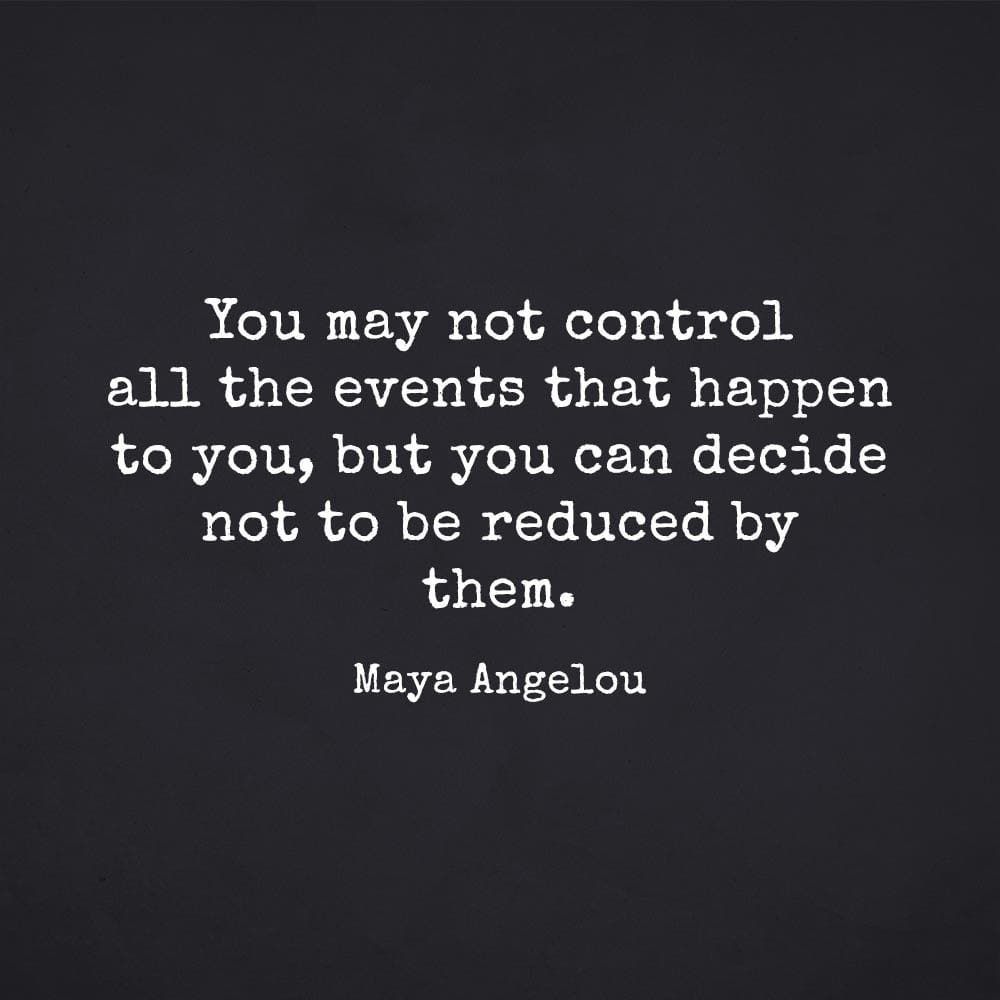
What happens when we judge others?

Managing the stress of the holiday season

While it may seem as though it was just the Fourth of July, it appears the winter holiday season is upon us once again. For many people, this can be a time to celebrate with family and friends and to remember those who may no longer be with us. For many people, this time can be one of what can feel like, at times, unbearable stress.

The holiday season can be one of great importance to many people. We may find ourselves trying to get together with those we love, with our friends and families, with those we have not seen in a while for myriad reasons. We may find ourselves running from here to there and everywhere in between. We may find ourselves attending gatherings or hosting gatherings. All of this may lead to feelings of stress, anxiety and overwhelm. It always is important to remember to take time during this busy season to take care of ourselves, to take time to practice self-care and to learn to rest when we need to do so.

It also may behoove you to remember that it is perfectly acceptable to say “No” to those things that no longer bring you joy. If you are feeling overwhelmed by all the holiday get-togethers, it is okay to decline an invitation and send your regards. If you find yourself feeling stressed out because you have 35 people coming over for a gathering, it is acceptable to ask those guests to contribute a dish to the meal. You do not have to do everything for everyone all the time. It is okay for you to ask for help if you are feeling stressed, anxious or overwhelmed.

The holiday season can be a joyous time for many people while for others it can lead to feelings of anxiety. It always is good to practice self-care but perhaps even more important during this season. I have had several clients recently ask me what self-care is, what that term means. Practicing self-care means doing healthy things for you that bring you pleasure and joy. Perhaps it means making time to read a favorite book or watch a holiday movie. Perhaps it means scheduling a massage, manicure or pedicure if that is within your budget. Perhaps it means going for a walk or run or bike ride. Self-care can be anything healthy that feels good to you that helps you manage feelings of stress, anxiety or overwhelm. What can you do during this holiday season to make yourself feel good? What can you do to take care of your own needs. You cannot pour from an empty cup. Remember that it is okay to take care of yourself so that you can better take care of those you love.

Managing stress and anxiety during the holiday season can mean for some remembering that nothing needs to be perfect. When we strive for perfection, we may notice that we feel constantly let down and disappointed with ourselves, with a situation or with others if we expect perfection from them. Remember that it is okay to accept that you have done your best; that is always good enough. No one can ask for more than your best. It always is good to remember that you are doing the best you can with what you have right now. Remember that most people are doing the best they can with what they have. It always is good to remember that you are worthy of love and belonging simply because you are human, not because your Christmas tree is decorated perfectly.

With the holiday season now upon us, remember that it is okay to say “No” to the things that no longer bring you joy. The holiday season can be a stressful time for many people. Remember that it is acceptable to decline invitations, to cut back on your cooking or baking and ask for help. Doing healthy things to manage your stress, anxiety and overwhelm can mean a more joyous holiday season not just for you but for those you love.

~ Karri Christiansen, MSW, LSW, CADC, CCTP

Managing the stress of the holiday season

Shorter days may leave us feeling SAD

It seems as though shorter days and cooler temperatures are now upon us, leaving many people with low mood and less energy. For some 1 to 3 per cent of the population, this could lead to a type of depression called Seasonal Affective Disorder. This type of depression can persist during the fall and winter months for many but also affects some people during the warmer summer months.

What is SAD? According to the Mayo Clinic, seasonal affective disorder is a form of depression that primarily affects people during the fall and winter months when there is less daylight, particularly in locations farther from the equator. This lack of light can disturb the internal clock and may lead to feelings of depression. The change in seasons can also influence the body’s melatonin and serotonin, which are natural chemicals in the brain that play a role in sleep timing and mood. When combined, these factors may lead to SAD.

Seasonal affective disoder is more than just feeling blue during the colder weather months. It involves persistent symptoms of depression, including feeling sad, angry or irritable more days than not. For many who live with SAD, it can mean losing interest in once pleasurable activities, persistent tiredness that leads to sleeping more, and increased appetite, particularly for carbohydrates and sugary snacks. Some people may engage in suicidal ideation.

There is hope for those living with SAD, however. There are many ways to combat SAD, including engaging in regular exercise, maintaining a healthy diet, avoiding sugar and alcohol and getting as much natural light as possible. Many people also benefit from light therapy and light boxes can be purchased at many stores. Many people also benefit from medication to combat symptoms of depression, as well. Maintaining a regular sleep/wake cycle can also help combat SAD.

When living with SAD, it is particularly important to practice good self-care. This can mean anything from engaging in healthy activities such as reading or getting massages if that is within your budget to practicing yoga or other exercise. Many people also benefit from guided meditation.

Some people also find that the holiday season leaves them with sadness. For those who find the holidays challenging, it is good to remember that it is okay to start new traditions for yourself and your family so that you can enjoy this busy season the way you want to. Many people are reminded of lost loved ones during the holiday season and it is okay to take care of yourself in healthy ways during this time. What sorts of healthy activities do you enjoy? Are there hobbies you have been interested in that you might make time for during these colder weather months? Perhaps you have always wanted to try snowshoeing. When we start seeing snow, it might be a good thing to try.

Seasonal affective disorder affects many people. It may be helpful to remind yourself that you are not alone in finding the winter months challenging. If you find yourself struggling with suicidal thoughts, please reach out to a trusted other or mental health professional or dial 988 to speak to a counselor 24/7/365. We can combat SAD by engaging in healthy habits and by offering ourselves kindness and compassion. What things might you be able to do to take care of yourself during these months? How can you treat yourself with kindness?

~ Karri Christiansen, MSW, LSW, CADC, CCTP
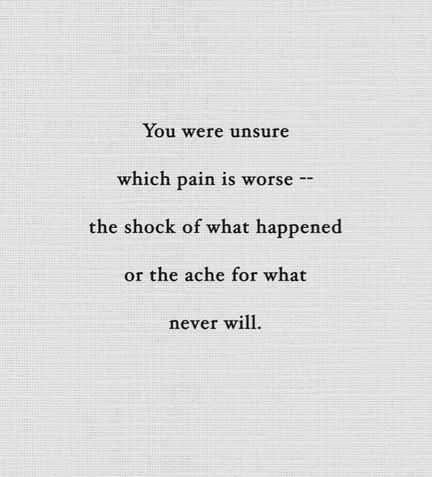
Shorter days may leave us feeling SAD

We do not grow in our comfort zones

My husband and I recently took at trip to Cape Cod to celebrate our approaching 25th wedding anniversary, making room for both of us to step outside our comfort zones. As creatures of habit and routine, both of us found the trip exhilarating and eye-opening. You see, to travel we both had to do a bit of growing.

Anyone who knows me knows that I love being near the water but as someone who is a very poor swimmer, I do not like being in the water. My husband and I had booked this trip to Cape Cod with the intention of going on a whale watching boat trip and we very much were looking forward to it. The day came for the trip, and on that day, the Atlantic Ocean was a bit rough with six to eight foot swells. When we boarded the boat for the trip, my husband encouraged us to sit up top, outside in the elements. It was cold and quite windy. I balked at first, wanting to say below where it was warm and out of the elements. Realizing that this would only leave me within my comfort zone, I agreed to join him on the upper, outdoor level of the boat.

The water was choppy that day, going both to our whale watching area and on the return trip back to Provincetown, MA. To say that I was merely frightened would be an understatement of epic proportions. I was terrified, of being cast overboard, of losing my belongings, of losing my husband to the angry seas. I did it anyway, and because of that got a better view of the roughly 15 whales and a sunfish that graced us with their presence.

Had I not met my fear with courage and compassion, I likely would not have encountered the whales the same way had I stayed inside in the warmth of the boat. Had I not met my fear head on, the trip could have been much different.

Meeting our fears with compassion requires us to spend some time exploring why we are afraid and to consider the likelihood that the worst-case scenario really will happen. Was I really going to be cast overboard into shark-infested waters? Was I really going to lost my husband to the ocean? Probably not.

When we meet our fears with compassion and curiosity, we may find that some of that fear melts away. What is the likelihood that the worst thing will happen? Will we be uncomfortable as we confront our fears? Probably so but nothing ever grows in our comfort zones.

I am very glad I chose to sit up top with my husband on the whale watching tour. Had I not, I shudder to think about what I may have missed. This trip opened my eyes to the possibility of change and the opportunity to grow. What fears might you be able to consider with compassion and curiosity? What might you be able to learn should you choose to step outside your comfort zone?

~ Karri Christiansen, MSW, LSW, CADC, CCTP

We do not grow in our comfort zones

Choosing life can mean choosing you

I thought October 11, 2010 was a good day to die. Instead, it turned out to be the day I was reborn. You see, I had lived with profound depression for 20 years before waking up one April morning in 2009 in a full-blown manic episode. My mood was severely elevated. I felt invincible. I had never felt this way before, as though I were super human. I had never felt so good in my whole life. But there was a down side. For the ensuing 18 months, I behaved badly, doing things I normally would never have done. Some of the things I did are, frankly, too embarrassing to share.

On October 11, 2010, I crashed. The manic episode ended. Everything came to a screeching halt. The depression came back with a vengeance and I felt like I had nowhere to turn and no one to talk to. I was lost. I ended up attempting suicide and landed in hospital for more than two weeks. That experience changed my life, so much for the better.

That experience taught me that no one can make me well, I have to make myself well. When I first started going to therapy more than 20 years ago, I looked to my therapist to provide me the answers to my life, to tell me who I am. Since then, I have learned that all the answers are inside me if I can find the courage to look hard enough. My therapist gave me the tools to get well, I just had to find the courage to use them every day to stay well.

Recovery is about more than just wanting to be well. It is about doing the work of recovery every day to stay well. It means using our coping skills as best we can. It means reminding ourselves that is okay to have a bad day as long as we do not unpack and live there. It means reminding ourselves that we are more than our diagnoses. It means that we still may experience symptoms of depression and bipolar disorder but those are just symptoms, they are not who we are. We are so much more than depression and bipolar disorder.

I will never forget those very bad, horrible, rotten blue days or my 18-month manic episode. Those days brought me to where I am today and I am thankful for them. Those days made me who I am. I bear those scars with pride. If it were not for the bad days, I would not be able to appreciate the good days. I am grateful for that period of my life.

I firmly believe that everything happens for a reason and that we are not given more than we are able to bear. I often used to wonder, “Why me?” Now I know that the better question to ask is, “Why not me?” I live with mental illness because I am strong enough to deal with it. But it takes daily effort to manage my mental illness. It is a constant battle, but a battle I am willing to wage because it is my life I am fighting for and my life is worth living. I know now that every day is a precious gift. I can choose to live my life or I can choose to lament my condition and wallow in my symptoms. I choose the former. I choose to embrace my life and continue to do the work of recovery.

I choose to share my story in the hopes that the more we talk openly and honestly about mental illness, the weaker stigma will become. I truly believe that mental illnesses are treatable medical conditions and the more we talk about mental illness, the more people will come to understand that we who live with them are simply people battling an illness as people who live with cancer or diabetes battle illness. We who live with mental illness can lead happy, healthy productive lives. We do not have to be slaves to our symptoms or live as victims of our illnesses. We can become victors of our lives by practicing self-care and using our coping skills to overcome our symptoms. We can become the people we always were meant to be and manage our illnesses as do people who live with other treatable conditions.

Choosing life can mean choosing you

Life, like the seasons, is about change

It is difficult for me to give up summer, as it is for many people. Summer is my favorite of the season as I often feel a sort of weightlessness about life during the warmer weather months. Summer seems less heavy to me than the cooler weather months. But often, while lamenting summer’s end, I do try to recognize the beauty of autumn and what autumn represents. Autumn affords us the opportunity to welcome change and to let go of the things that weigh us down.

Like the seasons, life affords us similar opportunities. Life is about change. It is about evolution. We can lament the end of one season and be slow to accept the new beauty of the next or we can do so with grace and recognize that we can change and grow, we can evolve. We as human beings are constantly changing. We are not the same person we were five or 10 years ago. We may not be the same people we were yesterday and we may be a new version of ourselves tomorrow.

One of the things I like best about the changing seasons of ourselves is that if we allow it, we can come to realize that welcoming change and letting go of the things that may be weighing us down can mean so many things. For some, it may mean taking a leap of faith and changing careers. For others, it may mean taking up new hobbies or taking a class. For others still, it may mean letting go of relationships that no longer serve us. All of this may be challenging, but the less we fight change the easier it is to become the people we always were meant to be.

It can be hard to engage in change, but I am convinced that doing so moves us closer to who we really want to be, who we are meant to be. Yes, changing careers can be scary and doing so takes a lot of courage. But if you no longer are passionate about or enjoying your work, doing so may be your best next move. Taking up a new hobby may require hours of practice and some trial and error, but in the end your horizons will be broadened and you could be better for it.

Letting go of relationships that no longer serve us could prove even more challenging. People become part of us. If you stop and ask yourself about the purpose certain people serve in your life, you may come to realize that some of your relationships no longer serve you. You may come to realize that some of your relationships are lopsided or transactional or one-dimensional. You may come to realize that some of your relationships leave you feeling worse about yourself and your life more so than they do good about yourself and your life. Part of embracing change means giving credence to these realizations and either changing the way you interact with such people or distancing yourself from those people. Maybe it means setting and enforcing better boundaries. Maybe it means ending the relationship.

The change of seasons can serve as a wake-up call to really evaluate ourselves and our lives. What is working for you and what, really, is not? Are you happy in your work? In your relationships? Do you need to make some kind of change to find your way to happiness and to become the person you want to be and were meant to be? Embracing change means focusing on the possibilities that newness affords us. Embracing change means that you are open to evolving as a human being. It means stepping outside of your comfort zone, or discomfort zone, as the case may be. Embracing change means that you are willing to welcome new opportunities to grow as a person. Are you able to do that? Can you take a step toward change and do something your future self will thank you for?

~ Karri Christiansen, MSW, LSW, CADC, CCTP

Life, like the seasons, is about change