
It seems as though Valentine’s Day is upon us, and for many people the holiday can evoke feelings of both happiness and sadness. Many people feel as though they must be partnered to enjoy the holiday, but there is more than one way to celebrate this day of love.
What is love, anyway? Romantic love is just one type of love. While romantic love, or Eros, is perhaps the best known type of love, there are many others. There is the love of friendship, and the love of family. There is the love of community and of people in general. And there is the type of love that grows over time.
There are many kinds of love, and myriad ways in which we can feel and share love. If we look for it, love really is all around us. And, if we listen, people often tell us they love us in many different ways.

How do we notice love when doing so can sometimes feel very challenging? How do we nurture and nourish love? Doing so often requires some measure of vulnerability. When we allow ourselves to really be seen and heard, we open the door to love. Doing so can require some measure of courage, because vulnerability can be uncomfortable, even scary, for many people.
Giving ourselves permission to be vulnerable means that we open ourselves up to rejection, but also can mean that we open ourselves up to acceptance, for who and what we are. For all our foibles, imperfections and flaws. And, letting others see all our foibles, imperfections and flaws can be scary. But if we fail to let people see who we really are, it could leave us feeling as though we never really are seen, heard, understood, and, ultimately, loved.
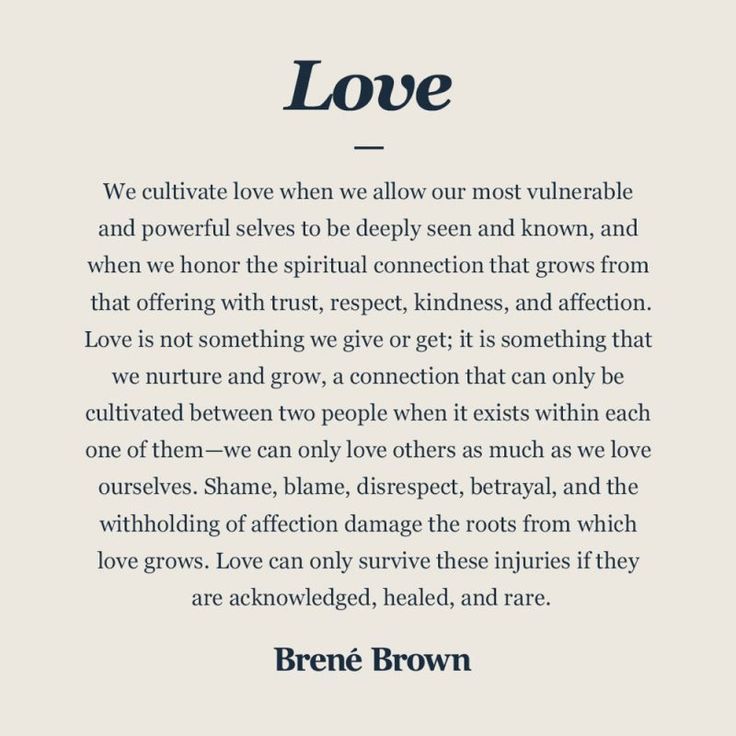
Letting ourselves be loved means that we let ourselves really be seen. Doing so can be scary, yes. Hiding parts of ourselves from others prevents them from really understanding who we are, and it is that understanding that nurtures and nourishes love. On the flip side, offering our understanding and acceptance to others also can help grow love, nurture relationships and let them blossom.
When we live in shame or keep parts of us hidden, it is hard to nurture love of others, love of self and love for others. When we live in shame or keep parts of us hidden, we are not giving others the opportunity to love our authentic selves, the real us. Shame is a barrier to love. When we fail to give ourselves permission to be vulnerable by keeping parts of us hidden, we fail to give others the chance to really know and love us.
Shame often is what keeps us from practicing vulnerability. Shame tells us we are not worthy of love, of belonging, of being understood. Shame lives in the shadows. Vulnerability lets us step into the light, be seen and heard and understood, and, loved.
Can you give yourself permission to practice vulnerability? Can you step out of the shame shadows and let yourself really be seen, be heard and be understood? Can you give yourself permission to accept love?
~ Karri Christiansen, MSW, LSW, CADC, CCTP
 phoenixrisenblog