
It seems that more and more, many people are finding themselves feeling frustrated more and more often with more and more things, people, and situations. What leads to this very normal feeling and how are we supposed to manage that feeling?
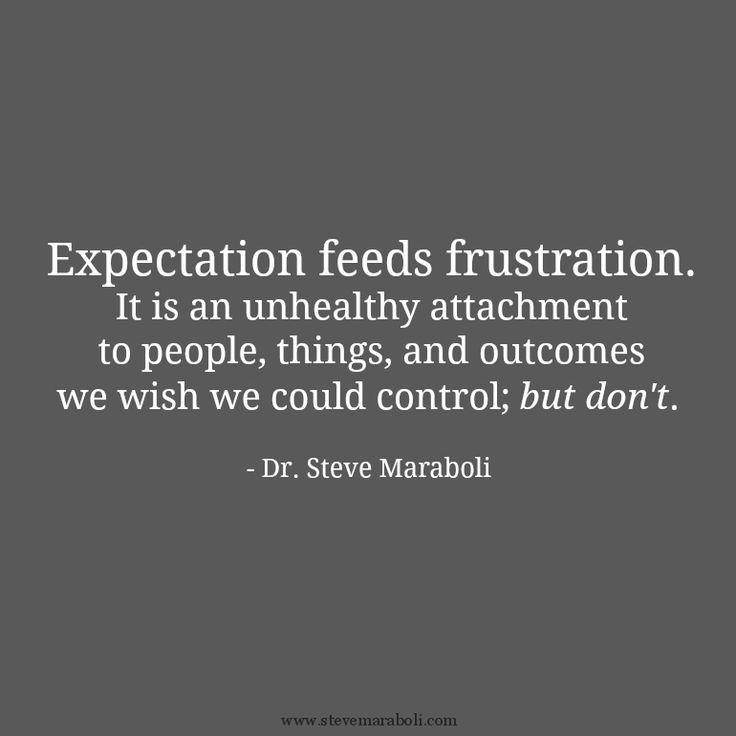
According to the Oxford dictionary, the word “frustrated” means feeling or expressing distress and annoyance, especially because of inability to change or achieve something. Which, for many people means feeling out of control due in part to expectations. This can leave folks feeling powerless, disappointed, angry and/or stuck. But how do we manage this feeling of frustration? When we set our expectations so high that either we or others cannot reach them, we may be left feeling frustrated or disappointed. When it feels as though a situation is out of our control or isn’t going our way, we may be left feeling frustrated or angry. This feeling of frustration is normal, but for some can cause distress.
One way to manage feelings of frustration is to really think about what we do and do not have control over. What is within our locus of control? One exercise that may help with this is to take a writing utensil and outline your opposite hand with it. Inside that hand, write down what you know you really and honestly have control over, such as yourself and the way you choose to respond to things. Outside the hand, write down all the things you do not have control over, such as other people and the way they think or behave. Sometimes, seeing a visual representation of what we really have control over helps calm us, reminding us that so many things are outside of our control but what we can control is our behavior, reactions and responses to whatever or whomever is frustrating us.
Another way to manage feelings of frustration is to notice where in your body you notice that feeling. What physical sensations come up for you when you are feeling frustrated? Do you notice a tightening in your stomach, chest or face? Do you notice a warmth growing throughout your body? Do you notice your hands or jaw clenching? Can you soothe that feeling by taking a few long, slow deep breaths? Can you go for a short walk or run? Can you listen to some calming music? Can you take a few minutes to meditate?
Most people feel frustrated from time to time. When that happens, it may behoove us to simply consider why we are feeling frustrated. What is it about this person, event or situation that is leaving us feeling frustrated? Is something happening to leave you feeling as though your boundaries are not being respected? Does that leave open the possibility to having a conversation with someone about those boundaries? Is something happening that is leaving you feeling powerless? Does that mean you need to do something healthy so that you feel empowered?
When we give ourselves permission to really think about our feelings, notice where they reside in our bodies and take steps to soothe those feelings, we can go about our business with a better sense of calm and peace. Feelings of frustration sometimes can lead us down the rabbit hole of unhealthy venting, which sometimes can fuel the flames of frustration, leaving us feeling even more frustrated. Taking the time to self-soothe and really consider why we are feeling frustrated can help calm us.
Feeling frustrated happens with most people. What is that feeling of frustration telling you? Can you give yourself permission to slow down and examine that feeling, where it resides in your body and respond to what your body is telling you? Can you take a few calming breaths or otherwise self-soothe? Do you need to take steps to address the underlying feeling of disappointment or powerlessness by setting healthy boundaries? Can you walk or run it out? Addressing the feeling of frustration quickly in healthy ways can help dissipate that feeling before it grows and leads to unhealthy venting. How can you address your feelings of frustration?
~ Karri Christiansen, MSW, LSW, CADC, CCTP

 phoenixrisenblog