Gratitude is the antidote to comparison

And so, we find ourselves well into the holiday season. For many people, this is a season of giving, of gratefulness and of kindness. For many others, though, this season can spur thoughts of comparison, leaving us feeling either inferior or superior to others.

The holiday season can remind many of us of all we have and all we have to be thankful for. Some people, though, find themselves falling into that comparison trap of feeling as though we’re not doing enough, we’re not having as much fun celebrating the holidays as others may be, that our houses are not decorated as spectacularly as other people’s houses, that our holiday fashions pale in comparison to others. Some people may feel as though they have to go overboard with giving, doing and being everything to everyone in order to feel as though they measure up during the holiday season.

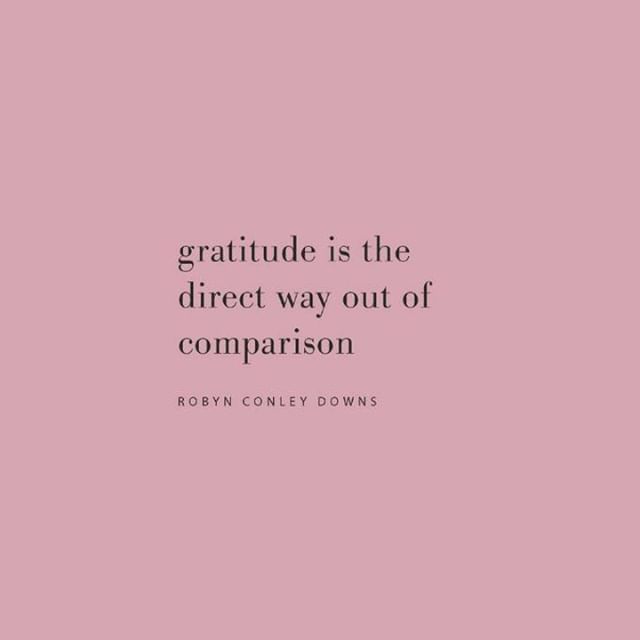
What may help us stay out of that comparison trap is practicing gratitude. When we practice gratitude, we give ourselves permission to be thankful for all we have, all we do, for the people in our lives, and the time we have with them. The holiday season can leave us feeling as though we’re not doing enough, that we don’t have enough, that we aren’t enough … but only if we let ourselves feel that way. The antidote to comparison is gratitude.

Yes, it can be difficult to let go of comparison when it seems from magazines, reels, and social media that we might not be “measuring up” to other people. But when we engage in comparison, we are forgetting to practice gratitude for our lives. Practicing gratitude can remind us that many of us have just what we need right now. Yes, some people have more, and some people have less. That does not make us somehow lesser than or better than. Let go of the need for comparison.

What happens when we find ourselves falling into that comparison trap? We may notice that we start to feel either inferior or superior to others. Remind yourself that it is okay to be grateful for what you have while working toward what you want. If you find yourself falling into that comparison trap, try to use comparison as a tool to make your life better, to do better for yourself and for others, to inspire yourself.

Most of us will fall into that comparison trap from time to time; that is normal and human. When you notice yourself feeling somehow lesser than or better than others, try to remind yourself that none of us is lesser than or better than another person. We’re all just different. And that is the beauty of humanity. None of us is exactly the same as another. My life is different than your life. My situation is different than your situation. And, that is okay. Not better than. Not lesser than. Just different. Practice gratitude for all you are and all you have at the moment. Practice gratitude and let go of the need to compare yourself to anyone else, anyone else’s life, and anyone else’s situation.

What can you practice gratitude for during this holiday season, and all the other seasons of your life? Can you let go of the need to compare yourself, your life, your situation to anyone else’s? Can you remind yourself that none of us is better than or lesser than another human? We’re all just different. And that is the beauty of humanity.

~ Karri Christiansen, MSW, LSW, CADC, CCTP

Gratitude is the antidote to comparison

Pity is not the same as compassion

So, like many other people, I am reading “The Let Them Theory” by Mel Robbins, and I find the book intriguing. Much of what I am reading really resonates with me, as likely is true for many other readers. But, while a lot of what I am reading seems on target, some of what I have read so far has rubbed me that wrong way as a human and as a social worker.

In the book, Robbins intimates that most people have the emotional maturity of an eight-year-old. I respectfully disagree. I think many people have better emotional maturity than that. Perhaps what some people are lacking is the emotional vocabulary to accurately describe what they are feeling. Emotions are nuanced, and having the vocabulary to accurately describe what we are feeling is important. That does not mean that if we do not have an expansive emotional vocabulary, we have the emotional maturity of an eight-year-old.

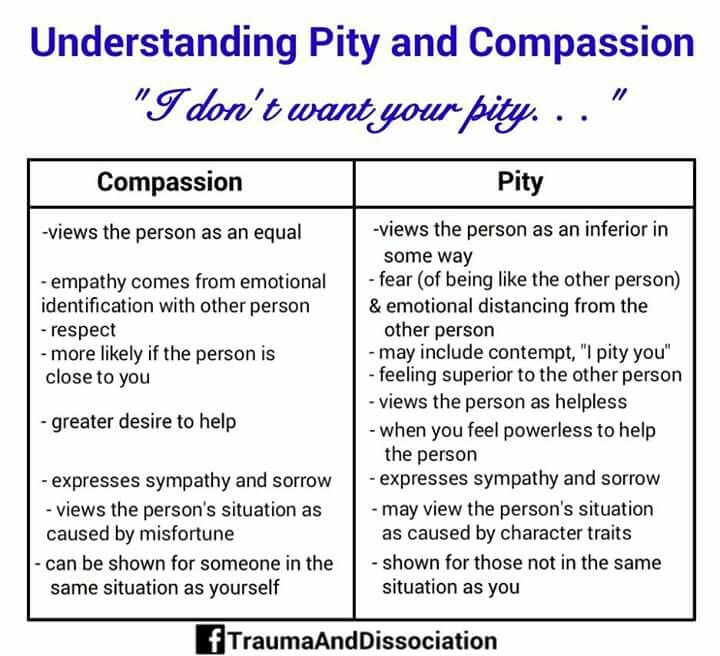
Robbins then goes on to say that we should offer those whose emotional maturity may be less than our own some pity. And compassion. Well, pity is not the same as compassion. In fact, pity and compassion are enemies. Pity implies a tone of superiority toward others while compassion views others as equals.

Perhaps what Robbins is trying to say is that when we choose to react to others whose emotional maturity is less than our own, what we should do is try to offer understanding for where they are coming from. Understanding goes a long way in an attempt to offer compassion. But again, pity is not the same as compassion. Offering someone pity can mean that we keep emotional distance from another person, while offering someone compassion offers us a chance to lean and really try to understand where another person is coming from.

Pity is more akin to feeling sorry for someone and not really trying to understand their plight. Compassion is trying to understand someone’s experience and honoring that experience. If we are trying to gain a better understanding of another person’s emotions or experience, offering that person compassion goes a lot farther than offering someone pity.

As I move through the book, I am reminded that using the “Let Them” theory is just a tool. Anyone who wants to be a better human, who wants to learn that they can choose how to react to what another person says or does may do well to remember that while we cannot control what others think, say or do, we can choose how we want to respond to others. Reminding ourselves that we all experience emotions differently, and express those emotions differently also may be helpful. And, reminding ourselves that some people may have developed a more expansive vocabulary to describe their emotions than have other people, that does not mean that their emotional maturity is less than or better than ours. It’s just different.

Compassion for others requires that we lean in and try to understand where another person is coming from. Compassion asks us to be curious about another person’s experience. It does not mean that we feel sorry for another person or compare that person’s experience to our own. Compassion means that we believe another person’s telling of their experience and respect their experience as their own. Compassion does not engage in comparison with another person’s experience. Compassion requires us to honor another person’s experience.

~ Karri Christiansen, MSW, LSW, CADC, CCTP

Pity is not the same as compassion

Stop wishing things were different

We seem to be living in a world where, for many people, things seem a bit upside down. Many people are struggling with today’s social and political climates, with global warming, the economy, and with everyday stresses and anxieties stemming from our jobs, families and perhaps even friends. Many people seem to be wishing things were different.

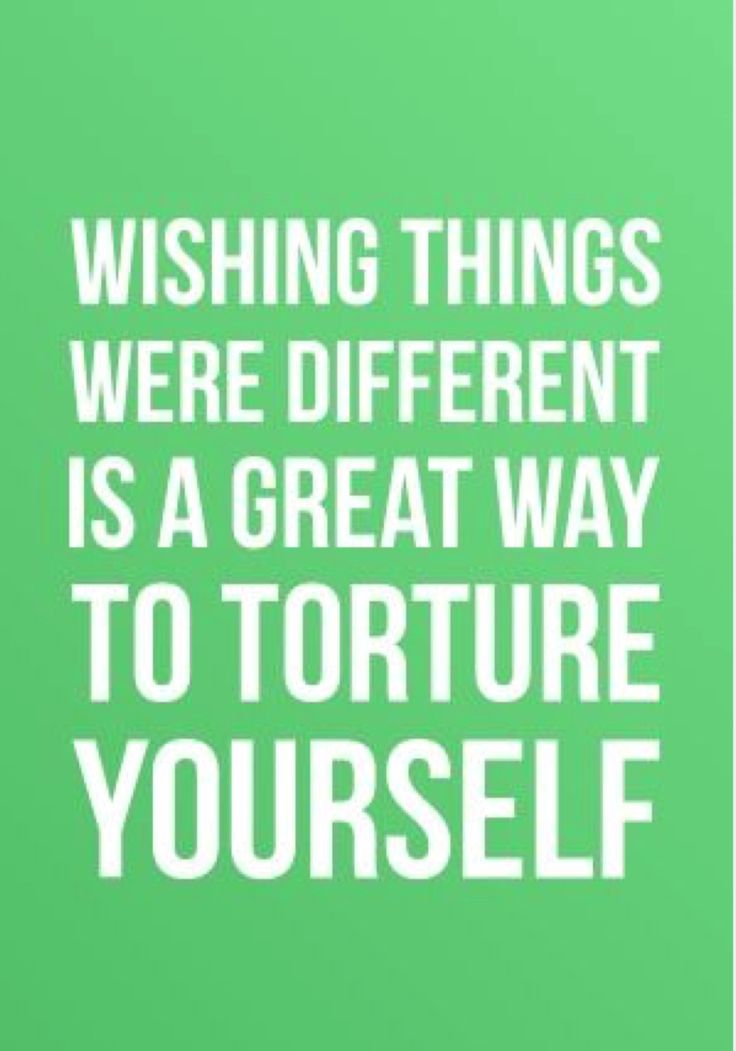
I get it. But what happens to our minds, our bodies and our mental health when we keep wishing things were different? What likely is happening is that our stress and anxieties are increasing, leaving us feeling both emotionally and physically exhausted. Wishing things were different not only robs us of the opportunity to accept things as they are, but also speaks to our desire for and total lack of control over external forces. When we are wishing things were different, what we really are saying is that we wish we had control over what other people think, say or do. We are saying we wish we had control over things that are, in actuality, well beyond our control.

Anxiety is borne, in part, when we stress over things we really cannot control. Wishing things were different heightens our anxiety because we are faced with the reality that we cannot control what other people think, say or do. Furthermore, wishing things were different can keep us stuck in the past, leaving us ruminating over things we or other people have said, done or thought. Just as we have no control over what other people think, say or do, we similarly have no control—no power—to go back and change what we or others may have said or done in the past. Stop wishing things were different.

When we stop wishing things were different, we empower ourselves to really consider what we can control. We also give ourselves permission to stop fighting and accept that things just are the way they are. That is not to say that we must resign ourselves to accept situations or relationships that are emotionally or physically unsafe. Nor does accepting the way things are mean that we cannot work toward making the future better for ourselves and others. When we stop wishing things were different, we take back our power and remind ourselves of what we really can control, namely what we think, say or do.

When you get right down to it, we really have control over just one thing, and that is ourselves. We can choose how we want to respond to external stimuli. We can choose how we want to respond to what others say. We can choose how we want to respond to what others do. We can choose to remind ourselves that we really have no control over what others think. When we stop wishing things were different, we empower ourselves to make better choices about how we want to respond to external stimuli.

Is it time for you to stop wishing things were different? Is it time for you to stop and think about what you really can and cannot control? Is it time for you to step back into your power and choose how you want to respond to other people, to external stimuli? Stop wishing things were different and take back your power.

~ Karri Christiansen, MSW, LSW, CADC, CCTP

Stop wishing things were different

Why our words matter … it’s not just semantics

I have noticed in the past few weeks that many people seem to have difficulty describing what they are thinking and feeling. It seems as though many people struggle to put the right words to their emotional experiences. This has made me think about the words we use to describe our feelings and emotions, and how important it is to use the right words.

It seems as though many people use certain words interchangeably. And, while that may work in some instances, it might not for all instances. Yes, some words have perfectly acceptable synonyms, but others don’t often really fit the bill. And in order to really convey what one is experiencing emotionally so that we feel seen, heard and understood, it is important that we use the right words.

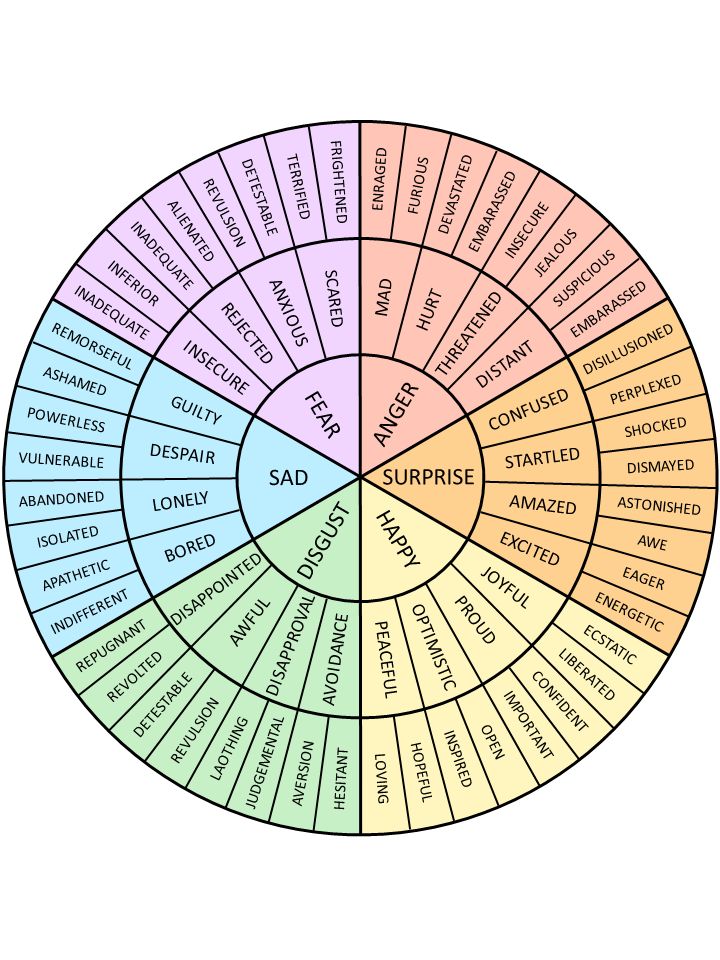
What does this mean, and how can we expand our emotional vocabulary? There are several ways to do so, including using the internet to find a list of words that can be used to describe our emotions. A good therapist also could provide a feelings wheel, which offers a decent range of emotional vocabulary words. There also are some good books out there that can help you use your feeling words to more accurately describe your experience. One that comes to mind is Brene Brown’s “Atlas of the Heart.”

When we fail to use the right words to describe what it is we are thinking or feeling, we may end up feeling as though whomever it is we are sharing with does not really understand us, leaving us feeling unheard. This can lead to an avalanche of feelings such as anger, resentment, disappointment or disconnection. So, when we are trying to explain what it is we are feeling, it might be helpful to think about what we really are experiencing so we can accurately convey to another person our experience.

For example, if we are feeling frustrated by a situation at work or home, but we say we are mad, it might be helpful to think about that “mad” feeling a little more. It might be helpful to go beyond that “mad” feeling to find a more descriptive word for our experience. Is the feeling scared? Betrayed? Rejected? Afraid? Disappointed? What really is going on?

The more we practice using more descriptive words to share our feelings, the more likely it could be that we leave a conversation feeling seen, heard and understood. That does, though, require us to really consider what it is we are feeling. That in itself may require us to slow down, think about our experience and find the right words to describe it.

Words matter. If during an exchange with someone, I feel myself getting tense, my chest tightens and my face reddens, and all I can come up with is the word “angry,” that might not be the best, most accurate descriptor of my feelings in that situation. Maybe what I really am feeling is embarrassed or hurt or uneducated on a topic. It really does matter that we use the right words to describe our experience. Otherwise, the other person could have a hard time responding properly to the feeling that is being shared. And that can leave the speaker, us, feeling unheard and invalidated.

Choose your words carefully. Give yourself a moment or two to really consider what you are feeling and try to find the words that most accurately describe that feeling. Doing so will give you and your listener an opportunity to forge a deeper, more meaningful connection.

~ Karri Christiansen, MSW, LSW, CADC, CCTP

Why our words matter … it’s not just semantics

Do you want to fit in, or belong?

We are living in unprecedented times. For many people, the world seems, at best, topsy-turvy with wars raging, wildfires out of control thanks to climate change, people in government seemingly hell-bent on whittling away at human rights, and artificial intelligence apparently reducing some people’s need for in-real-life human-to-human contact. Some people, though, appear to be in search of something that connects them with other humans. The question is, are folks trying to fit in, or are people wanting to belong?

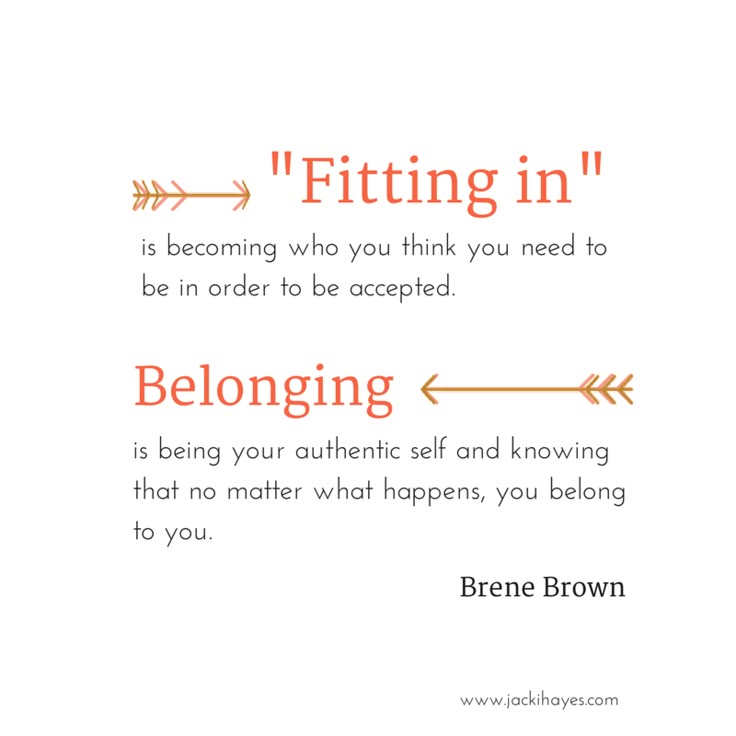
This all begs the question of, what is the difference between fitting in and real belonging? For one thing, real belonging requires equal measures of vulnerability and compassion, something many people shy away from or outright reject because both vulnerability and compassion can be downright scary. Fitting in is different. Fitting in usually offers less depth, yet somehow requires more effort and can cause more anxiety than true belonging. When we strive to fit in with a certain group of people, we can find ourselves working hard to become like the people we are trying to fit in with, often to our own detriment. That alone can be exhausting, particularly if the people we are trying to fit in with are different in their beliefs, values, interests or ideals.

When we are trying so hard to feel as though we fit in with a certain group, we may find that we are doing so because of appearances or because are concerned with how others view us or what they think of us. That is not healthy and can lead to anxiety. Sometimes we try to fit in—akin to fitting a square peg into a round hole—because not fitting in with a certain crowd or group would mean that we are alone and/or lonely. Sometimes we try to fit in with a certain crowd because even the thought of finding a new crowd is more daunting than working so hard to fit in. Unfortunately, the cost of staying with that group can actually leave us feeling more alone.

We forge real connection and belonging by giving ourselves permission to distance ourselves from those people with whom we really do not fit. That may mean taking a step back from certain groups, certain people within a group, or staying in touch with only certain people in a group. We forge real connection and belonging by giving ourselves permission to consider what it really is we are needing in relationships with other humans. We forge real connection and belonging by giving ourselves permission to really see others and to be really seen by others. That requires some measure of compassion and vulnerability, things many people are not all that comfortable with.

Finding your tribe may sound daunting, but does not have to be. Give yourself permission to really think about what your interests are, what your needs in relationships are, and to put yourself in a position to be with people in real life who lift you up rather than leave you feeling anxious about whether you fit in. This may take time, and that is okay. The time spent forging meaningful relationships that offer true belonging will be worth it—far more so than trying to fit in with those who are not really your people.

Now, perhaps more than ever, it is important to be engaged in relationships that fill you up rather than leave you feeling drained and exhausted. Now, perhaps more than ever, it is important to be engaged in relationships that offer deep, meaningful connection with people who offer you the opportunity to be your authentic self. You deserve that. What can you do to ensure that you are with your tribe, that you are reaping a feeling of belonging with other humans?

~ Karri Christiansen, MSW, LSW, CADC, CCTP

Do you want to fit in, or belong?

Can AI help, or hurt, your mental health?

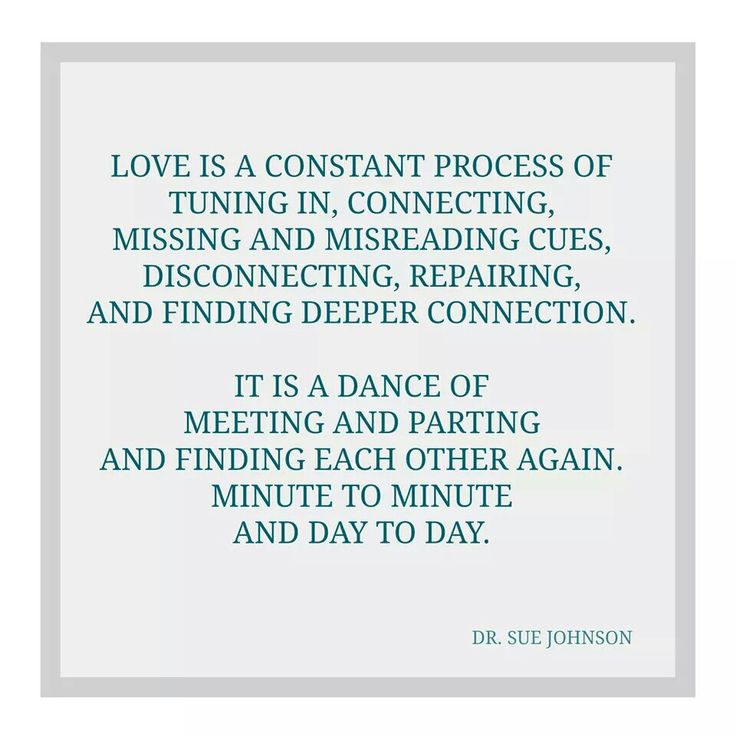
It seems, much to many people’s dismay, that artificial intelligence is here to stay. Not only that, but AI seemingly is getting “smarter,” at least in some respects. But when it comes to your mental health, is AI helpful or hurtful? The answer is, it depends on how you use it.

I have heard several people say that they have turned to AI chatbots to assist them with their mental health, and some people have reported that this has been a helpful tool, a way to augment in-person therapy between human-to-human, face-to-face sessions. I also have heard horror stories of AI chatbots encouraging people to attempt suicide, with some deadly results. There have been several articles in reputable newspapers about the dangers of AI therapy, including this one: https://www.nytimes.com/2025/08/18/opinion/chat-gpt-mental-health-suicide.html?unlocked_article_code=1.fE8.4Ayo.a6QV2mcyJpq4&smid=nytcore-ios-share&referringSource=articleShare.

Can AI be a helpful tool for those folks who may need help during their regular therapist’s off hours or during the middle of the night? Perhaps. It depends on how these AI chatbots are being used and for what purpose. The fact of the matter is, though, that there are real people to turn to when you or someone you know is in crisis at 2 a.m. or when you cannot get in touch with your real, human therapist. It seems, though, that many people feel more comfortable endorsing suicidal ideation or panic attacks or deep depression to someone not actually in the room with them, and therein lies a huge problem. Can AI help those people? Perhaps. But it also could hurt. And, there are other resources available.

Anyone who is feeling depressed or manic or hopeless or suicidal can text or call 988 and text or speak with a real, live human, who actually has been trained to assist with suicidal thoughts and other mental health concerns. Has your AI chatbot really been trained to compassionately and empathetically respond to someone who is in crisis? I am not so sure about that. Furthermore, many county health departments offer assistance to those in mental health crisis just by calling a phone number. In DuPage County, Illinois, USA, people can call 630.627.1700 around the clock, every day of the year, and speak to a real human to help them through mental health crisis. Many hospitals also offer psychological and behavioral health services, and there are countless mental health providers offering in-person, telephone or telehealth sessions to those in need of such services.

Can AI be a useful tool for those not wanting or willing or able to speak with a real human therapist? Perhaps. But AI is limited in its breadth of mental health knowledge and know-how. AI really should only be used to augment real conversations with trained mental health providers. AI can be useful for certain things at certain times, perhaps.

For in-depth, real conversations regarding your mental health, it likely would be best to reach out to a real, live human being who has been educated and trained to provide evidence-based treatments for mental health and/or substance use concerns. Yes, AI might be helpful to use as a tool between sessions, but there are downsides to using artificial intelligence to help you on your mental health journey. A real therapist can offer you homework assignments to complete or augment your in-person or telehealth sessions, as well.

Can AI be a useful tool in assisting those who need services during off hours? Yes, potentially. But, do keep in mind the potential pitfalls of turning to something not educated or trained in mental health or substance use services. Perhaps someday, humans will be outmoded. Until then, know that human mental health and substance abuse professionals are available in a variety of ways or myriad concerns. You know you best. What can you do today to support your mental health?

~ Karri Christiansen, MSW, LCSW, CADC, CCTP
Can AI help, or hurt, your mental health?

How do you handle frustration?

It seems that more and more, many people are finding themselves feeling frustrated more and more often with more and more things, people, and situations. What leads to this very normal feeling and how are we supposed to manage that feeling?

According to the Oxford dictionary, the word “frustrated” means feeling or expressing distress and annoyance, especially because of inability to change or achieve something. Which, for many people means feeling out of control due in part to expectations. This can leave folks feeling powerless, disappointed, angry and/or stuck. But how do we manage this feeling of frustration? When we set our expectations so high that either we or others cannot reach them, we may be left feeling frustrated or disappointed. When it feels as though a situation is out of our control or isn’t going our way, we may be left feeling frustrated or angry. This feeling of frustration is normal, but for some can cause distress.

One way to manage feelings of frustration is to really think about what we do and do not have control over. What is within our locus of control? One exercise that may help with this is to take a writing utensil and outline your opposite hand with it. Inside that hand, write down what you know you really and honestly have control over, such as yourself and the way you choose to respond to things. Outside the hand, write down all the things you do not have control over, such as other people and the way they think or behave. Sometimes, seeing a visual representation of what we really have control over helps calm us, reminding us that so many things are outside of our control but what we can control is our behavior, reactions and responses to whatever or whomever is frustrating us.

Another way to manage feelings of frustration is to notice where in your body you notice that feeling. What physical sensations come up for you when you are feeling frustrated? Do you notice a tightening in your stomach, chest or face? Do you notice a warmth growing throughout your body? Do you notice your hands or jaw clenching? Can you soothe that feeling by taking a few long, slow deep breaths? Can you go for a short walk or run? Can you listen to some calming music? Can you take a few minutes to meditate?

Most people feel frustrated from time to time. When that happens, it may behoove us to simply consider why we are feeling frustrated. What is it about this person, event or situation that is leaving us feeling frustrated? Is something happening to leave you feeling as though your boundaries are not being respected? Does that leave open the possibility to having a conversation with someone about those boundaries? Is something happening that is leaving you feeling powerless? Does that mean you need to do something healthy so that you feel empowered?

When we give ourselves permission to really think about our feelings, notice where they reside in our bodies and take steps to soothe those feelings, we can go about our business with a better sense of calm and peace. Feelings of frustration sometimes can lead us down the rabbit hole of unhealthy venting, which sometimes can fuel the flames of frustration, leaving us feeling even more frustrated. Taking the time to self-soothe and really consider why we are feeling frustrated can help calm us.

Feeling frustrated happens with most people. What is that feeling of frustration telling you? Can you give yourself permission to slow down and examine that feeling, where it resides in your body and respond to what your body is telling you? Can you take a few calming breaths or otherwise self-soothe? Do you need to take steps to address the underlying feeling of disappointment or powerlessness by setting healthy boundaries? Can you walk or run it out? Addressing the feeling of frustration quickly in healthy ways can help dissipate that feeling before it grows and leads to unhealthy venting. How can you address your feelings of frustration?

~ Karri Christiansen, MSW, LSW, CADC, CCTP

How do you handle frustration?

How will you celebrate your independence?

Today in the United States, many of us are celebrating the country’s independence. This makes me think about that word, “independence,” and what it means. Of course, it means many different things to many different people.

According to Merriam-Webster, the word independent means: not subject to control by others. In my world of mental health and substance use disorders, being independent could mean being free of undue influence of others, or being free of a substance or drug of choice. In either case, people could consider how they would like to celebrate their independence this 4th of July.

Some people may find it difficult to celebrate their independence today, particularly if they are in abusive or controlling relationships, or if they are struggling with substance use disorders. Others may find it difficult to celebrate their independence if they find they are living with mobility concerns. Still others may find that they are unable to celebrate their independence if they are facing housing issues, poverty or incarceration.

For others, though, today might be a good day to consider how you might assert your independence. That may mean considering what the word “independence” means to you. Could it mean giving yourself permission to set and enforce healthy boundaries, particularly in relationships that have become toxic? Could it mean summoning the strength to end a relationship that no longer serves you, is unhealthy, or brings you joy? Could it mean distancing yourself from people or places that leave you feeling trapped, insecure or used? Could it mean making the call to enter treatment for substance use?

Perhaps on this Independence Day, celebrating or advocating for your independence means you celebrate you and all the healthy ways you take care of yourself. Perhaps on this Independence Day, you engage in healthy self-care and put your needs, wants, hopes and desires at the forefront. Perhaps on this Independence Day, you celebrate all you are and all your potential and give yourself permission to take that next step you’ve been thinking about for so long in your career, family life, or relationships.

When we give ourselves permission to think about what that word “independence” means to us, we really can think about how we want to assert and celebrate our independence. Maybe that means setting ourselves free from the shackles of a controlling other or calling for help to escape an abusive relationship. Maybe that means setting a boundary in a toxic relationship, be that with a coworker, family member, or friend.

We have the right to claim our independence in a way that is respectful of others yet also ensures that our needs are met. We have the right to claim our independence in a way that leaves both ourselves and others with dignity. We have the right to claim our independence from those who leave us feeling oppressed, less than, or used.

Sometimes in life, we have to take care of our own needs. Sometimes in life, we have to advocate for ourselves. How can you claim your independence today? What would it mean for you to assert your independence today? Can you celebrate your independence today?

~ Karri Christiansen, MSW, LSW, CADC, CCTP

How will you celebrate your independence?

What is your anxiety telling you?

From time to time, most people notice feeling anxious. In the United States alone, some 40 million people live with anxiety at any given time. Many people, though, often do not quite understand that their anxiety is trying to tell them.

How do we know when we’re feeling anxious? We may notice that our heart seems to be beating faster, that we feel nauseous or faint or lightheaded. We may notice that we start to perspire. We may notice that we are feeling out of control.

Anxiety can stem from many things, including work, family, friends, driving, flying or the possibility of health concerns. Anxiety tells us that there is something to be feared, or that we are in a dangerous situation. More often than not, though, what we are facing is less dangerous than it is uncomfortable. It might behoove you to remember that discomfort does not necessarily mean danger. Anxiety tries to convince us that that presentation we have to give is dangerous or that that mammogram we have to have will tell us we have cancer or that our plane will crash on the way to Italy. Are these things possible? Perhaps. Are these things likely? Perhaps not.

The thing about anxiety is that it tells us that if we worry enough about these things, we can somehow control the outcome. Anxiety tells us that we can somehow control the future or what other people think, say or do. Anxiety tells us that if we do this, that or the other thing, we can assert some control over what happens next. The fact of the matter is, though, that we have little to no control over the future or other people, in large part because people are often unpredictable.

When we try to control the future by performing certain behaviors or acts, what we are trying to do is rid ourselves of the worry about the future. If instead we try to remember what we really do have control over—what we think, say or do—we may start to feel a bit less anxious.

How do we manage symptoms of anxiety or approach situations with less anxiety. One of the ways to manage those pesky symptoms of anxiety is to remember to breathe. Oftentimes, when we feel anxious we may notice that we are holding our breath or breathing shallowly. If we give ourselves permission to slow down, take a few deep breaths that are longer on the exhale than the inhale, we can slow down our central nervous system and get out of fight or flight mode and start to feel less anxious. We also can remind ourselves to really look at the situation before us. Is it really dangerous or is it uncomfortable? This may require us to pause for a few moments and really get in touch with that feeling of anxiety, and that is okay.

Another way to manage symptoms of anxiety is to create some space and distance between us and that feeling of anxiety. If we say to ourselves, “Oh, I’m so anxious!” what likely will happen is that we will start to feel more anxious because we are identifying with that feeling of anxiety. If instead we say, “Oh, I notice that I am feeling anxious,” we create some distance between us and that feeling of anxiety. We start to feel less anxious.

Anxiety is like other feelings, and what feelings do is provide us with information about certain situations. It may do well to listen to your body and tend to your body’s needs. Is your anxiety leaving you feeling nauseous? Lightheaded? As though your heart is beating faster? These symptoms may be telling you that you need to take a breath. If we listen to our bodies, they will tell us what we need.

Millions of people on this planet live with anxiety. Most of us will feel anxious from time to time. That is normal. Anxiety provides information about the situation we are facing. That feeling of anxiety, like all feelings, provides data, information. If we can give ourselves permission to slow down, breathe, and really assess the situation, we may find that what we are facing really is more uncomfortable than it is dangerous. We may also realize that while we can control what we think, say or do, we largely haven’t much control over other people, the future, or certain outcomes.

What steps can you take to address your anxiety? Would it help to practice deep breathing? Do you need to speak to a trusted other or mental health professional? Do you need to pause and think about what you really do have control over? Do you need to remind yourself that anxiety is just a feeling that likely will pass? You have the power to manage your symptoms of anxiety.

~ Karri Christiansen, MSW, LSW, CADC, CCTP

What is your anxiety telling you?

What happens when we “one up” or “one down” with others?

We seem to be living in an era where people often engage in comparison. Thanks in part to the advent of social media, with people posting their highlight reels and making it seems as though their lives are nearly perfect, many people find that they engage in a dangerous game of comparing their lives to those of others, even those they do not know personally. Where, you may ask, is the danger in that?

The danger lies in the fact that we cannot really know what is going on in the lives of others unless we know them personally and show an interest in who they are and what they are doing. That requires some measure of vulnerability and courage to connect in real life, on a human level. Social media largely prevents us from really connecting and reinforces the often subconscious act of comparing our lives to others. That happens with social media, and in real life. Comparing our lives to those of others is a slippery slope that can leave us feeling either better than or less than others. It encourages us to “one up” or, sometimes, “one down” with others so that we feel in some way either better than or less than others. Either way, doing so is bad for our mental health.

When we “one up” or “one down” with others, what we are doing is encouraging feelings of insecurity to fester within us. The more secure we are in ourselves and our own lives, the less we will feel the need to engage in those “one up” or “one down” behaviors of comparison. The more secure we are in ourselves and our lives, the more we will come to realize that comparison is a futile act. There will always be someone who has more and there will always be someone who has less. The question is, can you be okay with what you have while working toward what you want?

When we engage in comparison, when we “one up” or “one down” with others, we lose the ability to evaluate our own lives accurately. We look at our lives through a lens that is cloudy. And that can leave us feeling insecure. When we “one up” with others, what we really are doing is saying, “I have to prove to myself and others that I am better than someone else.” The same is true when we “one down” with others. When we say we have it worse than others, we are saying that we cannot appreciate all we have and all we are. This sort of behavior rarely leaves us feeling empowered, and in fact, can leave us feeling as though we are never good enough, smart enough, rich enough, never enough of anything at all.

While most of us engage in comparison at some point, it may behoove us to remember that doing so really only robs us of the chance to be happy with who we are, what we are and what we have. Yes, someone may have it better than us. That does not have to mean that we are somehow less than. Yes, someone may have it worse than us. That does not mean we are somehow better than. We just are. We just are wonderfully made, perfectly imperfect humans and that is all we need to be. We do not need to be better than or worse than to prove anything to anyone. We can just be us.

Can you give yourself permission to free yourself from comparison? Can you give yourself permission to appreciate who and what and where you are in your life without the need to compare yourself and your life to others? Can you remind yourself that comparison is the thief of joy?

~ Karri Christiansen, MSW, LSW, CADC, CCTP

What happens when we “one up” or “one down” with others?