We are nearing that time of year when summer slowly collapses into autumn or spring blossoms into summer, reminding us that everything on this planet evolves and changes. This time of year can remind us of how good it can feel to embrace the newness of the next season, and how good it can feel to let go of the things that weigh us down.
The change of seasons can serve as a reminder that the more we hold on to the past, the more it keeps us from moving forward in our lives. We can use this time of year to remind ourselves that the past is just that: the past. We can use the past as a lesson; something to learn from. We do not have to view the past as a life sentence, something that weighs us down.
This time of year affords all of us an opportunity to think about what we want this next season to look, sound and feel like. This time of year affords us an opportunity to move closer toward our goals, closer to our values and closer to who we want to become.
One of the best things about the change of seasons, be it summer into fall or spring into summer, is that it allows us to learn about who we are becoming. The change of seasons affords us an opportunity to learn from the preceding months and apply what we have learned. We can use what we have learned about ourselves to move closer to who we want to become and how we want to evolve. After all, change is part of life … if we let it be.
We can go kicking and screaming into this next season of our lives or we can embrace the fact that change is part of life. Change can be beautiful, if only we embrace the new more than we hold onto the old. Each new season of our lives can serve as a lesson, offering us information about where we are headed and where we want to go. There is beauty in each season of life, and while we may have to look harder for it during some seasons, it is there. We can embrace the fact that each season is beautiful in its own right or we can choose to lament a season’s end. When we choose to see the beauty in each new season, it can make this transition easier for us to accept.
What steps can you take to embrace change, the change of the seasons and change happening in your life right now? How can you embrace the new and let go of the old? What may be weighing you down that you can move away from?
We live in an era of social comparison, in large part due to the prevalence of social media such as Facebook, Instagram and TikTok. All of these platforms encourage many people to post what at first glance appears to be images of all the people living their best lives ever. What these social media platforms often fail to do is show those who engage that most of those people, be they so-called “influencers,” or regular everyday folks, also struggle on a frequent basis.
Social media encourages social comparison and often leaves those who engage with feelings of low self-worth, low self-esteem and a persistent feeling of not being good enough. This is also true of people who do not engage in social media but who may have been influenced by comments made by parents, teachers, peers, colleagues or even friends. Such comments may have been offered as a way to motivate but really serve to feed perfectionism.
What is perfectionism and how can we move away from it? Perfectionism is a trait many people possess and can encourage people to try to meet unreasonable or even impossible standards. Many people who struggle with perfectionism find themselves ruminating over details, with intrusive thoughts and negative self-talk. Many people who struggle with perfectionism often find themselves with a pervasive sense of not being good enough, pretty enough, fit enough, smart enough, talented enough … enough of anything.
What perfectionism does is rob us of our humanity. Perfectionism tells us we are not worthy of love or belonging because we haven’t done something perfectly. What we often fail to remember is that we all are perfectly imperfect beings. None of us is perfect and trying to be perfect can lead to depression and anxiety. Perfectionism is exhausting.
What happens when we strive for perfection is that we often notice a pervasive feeling of disappointment, in ourselves, in our accomplishments, in who we are as human beings. Perfectionism tells us that our best is never good enough, therefore we are not good enough. Perfectionism tells us that we are somehow less than if we fail to meet some unattainable standard set either by ourselves or by someone else. And when we constantly feel as though we are somehow less than, we fail to recognize that our best is all anyone, including ourselves, can ask of us.
The antidote to perfectionism is self-compassion. And while self-compassion seems to some to be some kind of radical notion, it allows us to throw off the shackles of perfectionism. When we give ourselves credit, grace and compassion for doing the best we can with what we have in the moment, we can start to tackle the monster that is perfectionism. When we offer ourselves compassion, we give ourselves permission to recognize that nothing on this planet is perfect, that all beings are perfectly imperfect and also worthy of love and belonging.
Offering ourselves compassion does not mean we do not hold ourselves accountable. It means that we do the best with what we have. It means that we give ourselves permission to accept that our best is good enough and that trying to give more than 100 percent is not actually possible. We can strive for excellence by doing our best. When we strive for perfection, we almost always will feel disappointed because nothing is perfect.
The next time you find yourself in battle with the monster that is perfectionism, try offering yourself compassion for doing the best you can with what you have right now. Remember that it is okay to hold yourself accountable for meeting reasonable standards but that perfectionism means that that standard is nearly always just out of reach. Striving for perfection likely will leave you feeling exhausted and as though you are not good enough. You are good enough. You are more than enough.
Today marks National Relaxation Day in the United States, leaving me pondering the idea of rest and relaxation and why that is challenging for so many people. It seems as though many people view their self-worth and their worth in the eyes of others more on what they do than on who they are as people. This reminds me that we are not human “doings.” We are human beings.
We live in a society that places much value on peoples’ productivity. Many of us work at least one job, to pay the bills, rents or mortgages, to have money for goods and services. Yet so many of us find ourselves also engaging in activities that leave us feeling “productive,” such as completing household chores, attending to what one client refers to as “life administration tasks,” and doing all sorts of other things that leave us feeling emotionally, mentally and physically spent. We often humble-brag about all we accomplish during the day, while also voicing feelings of exhaustion, stress, anxiety and overwhelm, wearing those feelings as some sort of badge of honor. We eschew rest and relaxation, or self-care, as selfish or self-indulgent. So, we often forego those activities that actually bring us joy. We forego rest. We forego simply being.
I understand that there are some things that have to get done. Many of us have to go to work. The laundry, the dishes, the vacuuming need to get done. We have to make sure the electric, water and gas bills get paid in a timely fashion. We have to attend doctor and dentist appointments. But what happens to our brains and our bodies when we fail to give ourselves permission to rest, to just be? Indeed, our bodies will tell us when we need to rest. We will get sick with a cold, the flu, COVID. We will find our moods and spirits falling. We will find ourselves easily distracted. We will find ourselves sleeping perhaps more than usual or very poorly. These things likely more than not will happen at the most inopportune times.
This is just part of why rest and relaxation is so important. We are human beings, not human “doings.” We as humans are not meant to go 24/7/365 with no rest. We are not machines. We have to give ourselves permission to rest. And, sleep is just one of the ways we need to rest. We also need to give ourselves permission to take a break to just sit and stare and do nothing.
Furthermore, our value as human beings is not dependent upon our accomplishments, what we do or how much we get done. Our worthiness is not dependent upon how many of our To-Do List items we cross off on a daily basis. As Brene Brown has said, we do not have to hustle for our worthiness. We are worthy of love, of belonging, of respect, simply because we are human. No amount of “doing” will make us worthy in the eyes of those who cannot see and appreciate who we are as human beings.
There is so much more to us as people than what we do. Our self-worth cannot be reliant upon doing, doing, doing. Our self-worth cannot be reliant solely upon feelings of productivity because there is more to us as people than what we do. What matters most is who we are as humans. Are we kind, caring, compassionate, loyal family and friends? Are we considerate, thoughtful? Are we loving toward ourselves and others?
The more we come to realize that we are human beings, the easier it may become to give ourselves permission to rest, to just be. One of the ways we can do that is by giving ourselves permission to engage in healthy self-care, such as meditation. Meditation can be a radical act of self-compassion and a beautiful way to rest and just be.
How can you place value on your human being-ness today? What can rest and relaxation look, sound and feel like for you today? Can you give yourself permission to just be?
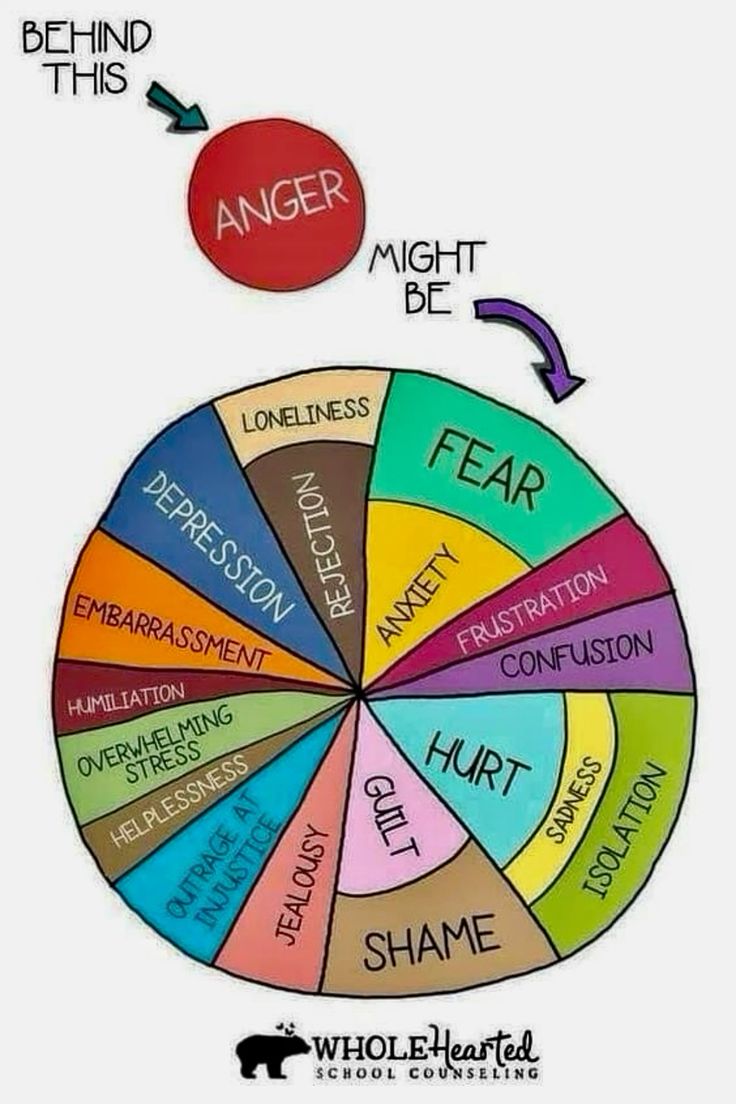
Anger is a normal, human emotion that most of us feel from time to time. Some people feel anger more so than others, which makes me wonder what is beneath all that anger? Some people seem to be bursting at the seams with anger, ready to pop open at any given moment, unleashing their emotions onto others.
While anger is a normal, human emotion, sometimes it can get the better of us. Sometimes, the anger we carry with us can leave us feeling weary, tired, exhausted. That may be because we have not really considered either the source of our anger or, perhaps, what really is going on. While anger may be what we show the world, sometimes there are other, more painful feelings lurking under the surface. These are the feelings that need attention and care.
If we think about anger the way we might, say, tackle taking apart a stinky onion, we can gain a different perspective. The anger we feel is akin to that crinkly outer skin of the onion. Brittle, easily broken, loud. But what happens when we start to peel back the layers of that onion? As we peel away the layers of that onion, we start to reach deeper more pungent yet more tender parts of the onion. The onion we find at the core has a different feel than what we first notice. Anger is similar.
Just as that crinkly outer skin protects the more tender layers of the onion, so does our anger protect us from having to really deal with our more tender feelings. When we avoid those feelings, though, what often happens is that we are overcome with emotion, sometimes at the most inconvenient times. If we give ourselves permission to really think about our anger, consider what we really are feeling, name it and share it, we may feel better.
Say, for instance, that you are cut off (again) in traffic, headed to work. You become enraged! You smartly avoid any untoward hand gestures directed at the other driver yet you find yourself screaming at them in the privacy of your own vehicle. Yes, you may initially feel angry, but what really is underneath that? Do you feel offended? Unsafe? Frightened? Did the other driver put your life in jeopardy? Did you have to swerve to avoid a traffic crash? Perhaps you felt anxious or fearful?
If we can give ourselves permission to slow down before responding with anger, we can get a better grasp of what is underneath that anger. Just as we might slowly peel back the layers of that onion so as to avoid onion-y tears, the more we proceed slowly with anger the more control we have over our response to it. Often, what is underneath all that anger needs care and attention.
Sometimes, we carry with us years of hurt, feelings of betrayal or rejection. Sometimes, we carry with us years of feeling as though anger was the only emotion we were allowed to express in our families, as sadness or tears were frowned upon. Many people struggle with showing others our more vulnerable feelings, in part because we never had a trusted other with whom to share those feelings. If that is true for you, if you have found that your anger permeates all aspects of your relationships, it may be time to take a closer look at that anger. That might mean working with a mental health care professional or speaking with a trusted other.
We all feel angry from time to time. That is normal. But feeling angry all the time can be exhausting, and off-putting to others. What is your anger trying to tell you? What is beneath the stinky onion of your anger? Can you give yourself permission to get in touch with the core of your anger and all those more tender feelings? Can you give yourself permission to peel away the layers of your stinky onion to find out what’s really going on? Doing so may help you feel more at ease.
Years ago, someone told me that maintaining a relationship is akin to tending to a garden. The more we water, fertilize and weed our gardens, the more flowers will bloom. That is, the more we tend to our relationships, the stronger they will be.
But, what happens when we find that our garden is—seemingly suddenly—overrun by weeds? How does that happen, and how do we get it back to where we want it to be? Sometimes our gardens become overrun by weeds when we stop taking care of it. Just like our relationships, when we do not tend to them or expect them to just carry on without work, we may find that we have developed ruptures so big that it seems there is no way to fix them.
Some of those ruptures may start when we stop communicating with our partners, or we stop sharing our feelings or experiences. Sometimes, those ruptures start when we begin to hold judgements of our partner’s thoughts, behaviors, experiences or feelings. We as humans can be judgemental; that is, to some extent, normal. Often, though, our judgements of others stem from those parts of ourselves that need healing. When we find ourselves thinking or saying things that are judgemental, we may make those ruptures in our relationships bigger, stronger. How do we course-correct and repair the relationship? Doing so may mean that we have to enter into what could be uncomfortable conversations. Yes, it sounds icky. Yes, these conversations may be necessary.
One of the ways to broach an uncomfortable topic or enter into what could be an uncomfortable conversation is to, first, let go of any judgements and, second, approach our partners with concern and compassion. After doing so, we may be better able to come to a place of understanding for a person’s words or behaviors and be better able to accept that the person likely is not intentionally causing harm. For example, we could try this approach: “I notice lately that you seem stressed because of work (concern) and have been snapping at me more often, which is understandable (compassion) given the nature of your job. Can you help me understand why (understanding) this is happening so that we can find a better way to communicate (acceptance)?”
When we approach uncomfortable conversations with concern and compassion, we may lessen the chances of our partners becoming defensive and then acting out. We can stray away from those old “I feel X because you did this” statements, which can feel for some people to be blaming statements, putting the onus for our feelings on someone else, which is unfair. And, when we let go of our judgements of others’ thoughts, experiences and behaviors, we make room for compassion and understanding, the cornerstones of healthy relationships. Coming to a place of acceptance, or resolution, may mean negotiating a solution to the problem. This does require an open heart and an open mind that the way we have been approaching things may need to change.
In a way, relationships are like gardens … rose gardens. Yes, we can look at these plants as flowers that have thorns, or we can choose to see thorn bushes that have flowers that if we tend to with care, concern, compassion and understanding and acceptance, will flourish and remain beautiful. It matters how we approach our relationships. It matters how we engage in what can be uncomfortable conversations. If we do not have these conversations, though, the gardens of our relationships will become overrun by weeds. What topics do you need to discuss with your partner? Are you ready to tend to your relationship?
Recently, I have noticed both in my professional and personal lives many people struggling with adversity, being faced with struggle and even facing failure and enduring traumatic events. How we approach adversity, challenge, trying times, even trauma can mean the difference between moving on or staying stuck. Having a growth mindset can make a huge difference.
But, what does it even mean to have a “growth mindset?” Having a growth mindset means that we believe that qualities we possess such as intelligence and talent can be changed or developed over time. The opposite, having a fixed mindset, means that we believe certain qualities are permanent or unable to be changed.
Having a growth mindset can help us navigate the often murky waters of life, view challenges as opportunities and can help us face adversity, even traumatic events. When we approach life with a growth mindset, we give ourselves permission to be flexible in our thinking. This is crucial when we are faced with adversity. Approaching life with a growth mindset is akin to living with a flexibility mindset, which allows us to move through adversity with a bit more ease.
In his book, The End of Trauma: How the New Science of Resilience Is Changing How We Think about PTSD, George Bonanno, chair of the Department of Counseling and Clinical Psychology and director of the Loss, Trauma, and Emotion Lab at Teacher’s College, Columbia University, argues that having a flexibility mindset can mean the difference between moving past adversity or staying stuck in adversity. Similarly, Carol Dweck in “Mindset: The New Psychology of Success,” argues that having a growth mindset helps us manage challenges.
Bonanno indicates that a flexibility mindset requires of us three things: optimism about the future, confidence in our ability to cope and, a willingness to think about a threat as a challenge. When we embrace these qualities, we may find it easier to navigate adversity. This is what it means to have a growth mindset, as well. When we are living with a fixed mindset, we fail to embrace challenges as opportunities or even as adventure. Living with a fixed mindset can leave us feeling as though we are unable to adapt to adversity. It tells us, “I can’t.” A growth mindset or flexibility mindset reminds us that, “I can.”
Living with a flexibility or growth mindset will not prevent us from facing adversity or even failure, but it will make it easier to adapt to these challenges. We all face challenges, we all struggle, and we all will, at some point, fail at something. Reminding ourselves that failure is not final can be helpful. Failure is an opportunity to learn, grow and become. Failure can mean redirection, even redemption.
Living with a growth or flexibility mindset can help us find new ways to tackle problems as they arise, and remind us that there often is more than one way to do something. This also can remind us that we can do things that are hard, help us draw on past success and prepare us for future challenges. When we live with a growth or flexibility mindset, we realize that we can be the victors of our lives rather than than victims. We have the ability to move past adversity, to manage challenges and to deal with struggle. What could you accomplish if you adopted a growth mindset?
What does it mean to have a sense of agency? What does that word, “agency,” even mean? And, how does having a sense of agency fend off learned helplessness?
The sense of agency refers to a feeling of control over our actions and their consequences. Many people seem to be suffering from low self-agency, which can sometimes result in learned helplessness. Learned helplessness can occur when people come to believe that they are not in control and give up the idea of being agents of change in their own lives. This also can be seen when we feel as though we haven’t the power to accomplish even the smallest task because someone else always has done it for us.
For many people, a sense of self-agency seems elusive and that lack of self-agency can impact the way they experience their day-to-day existence and their decision-making ability. Many people seem to suffer from a feeling that they have no control over their lives, in part due to external circumstances of war, poverty, living in unsafe communities or because of illness or injury. For others, it may seem as though their efforts to exert control have been thwarted. Yet, there are ways to develop a sense of agency.
One way we can begin to foster a sense of self-agency is to control what stimuli we are subjected to on a daily basis. That means taking charge of what comes into your brain from your environment. For some folks who feel as though they have a low sense of self-agency, it could be due in part to their attention being distracted by outside stiumuli, such as devices or being in crowded spaces. To help increase your sense of agency, practice being in quiet, device-free spaces so that you can escape from over-stimulation. This may mean giving yourself permission to go for a walk in nature without your phone or tablet.
Another way we can develop our sense of agency is to be more selective with the people with whom we surround ourselves. Some people seem to sort of “catch” the energy and emotions of other people and so it can be important to surround oneself with those who positively influence the way we feel. We can give ourselves permission to surround ourselves with people who encourage us to reach our full potential, nurture our talents and affirm our values.
Fostering a sense of agency also can happen when we give ourselves permission to get moving. Physical movement, along with adequate rest and nutrition, helps balance your body and your mind. This, in turn, can improve motivation and leave us feeling stronger with better stamina. Taking short movement breaks during our busy days can help improve our sense of agency by leaving us with the feeling that we are in charge of our bodies.
People with higher self-agency are those who are lifelong learners, expanding their capacity to learn by adopting an open, collaborative approach to life. This may require us to nurture our curiosity and to explore new ideas and opportunities. Give yourself permission to adopt a growth mindset, which allows you to recognize that you, like all of us, are a work in progress who is capable of learning, changing and growing.
Yet another way to improve your sense of self-agency is to be deliberate in our decision making. This means considering options and then taking action. People with low self-agency tend to procrastinate, obsess over details and worry about the process adding to a feeling that they lack confidence to make a decision. Taking action does not always require being absolutely certain. People with a higher sense of self-agency tend to act when they have 80 percent certainty, rather than questioning themselves and the possible outcomes.
Developing a sense of self-agency helps us feel as though we are taking responsibility for our lives, which is the opposite of learned helplessness. Those who have developed a sense of learned helplessness believe they are unable to control or change a situation. The next time you feel that something is going on around you that feels somehow outside of your control, can you give yourself permission to stop and examine it and work on finding a way to solve what may feel problematic? The more you look at problems as opportunities, the better sense of self-agency you will have.
It seems of late that many people are on an unending quest for happiness, yet finding happiness harder and harder to find. Many people struggle with what “happiness” means, what it means to be happy. And, of course, that is different for everyone.
While my idea of what happiness is may be different than yours, there often are commonalities when we think of what happiness is: Happiness is an emotional state characterized by feelings of joy, satisfaction, contentment, and fulfillment. It often is described as involving positive emotions. This seems rather straightforward, yet happiness seems more and more out of reach for so many people. And, I, like many, am wondering why.
What is it in this day and age that makes happiness seem so elusive? Is it that people today find it ever more challenging to find joy and satisfaction? Is it that we have made the glorification of busy such that we are obsessed with being productive to the point of exhaustion? Is it that social media has fueled social comparison and added to the loneliness epidemic?
Or, is it more simple than that? Are we as a society having trouble simply practicing gratitude for all we have, all that life has to offer and for all the beauty left to find in the world? Perhaps it is all these things. Perhaps what more of us would benefit from is slowing down, practicing compassion for ourselves and for others, limiting our use of technology and social media, and making time to be with other human beings.
Are all these things tied together? Are we challenged to be more and more productive because we see others on social media living what on the surface appears to be their best lives? Do we have difficulty practicing gratitude for what we have because others seem to have more or better things than we do? Do we spend too much time on social media, which fuels social comparison and the loneliness epidemic? Are we not making time to be with others in real life situations?
I think all of this could be true and part of why happiness seems so elusive. What if we course corrected and moved away from social media in favor of social interaction that happens in real time with real people in real life? What if we practiced gratitude for all we have while working toward what we want? What if we practiced gratitude with reckless abandon?
Science on happiness tells us that the more we are able to practice gratitude, the more joy we will find in our lives. Many people find it helpful to start a gratitude journal, in which they write three things for which they were grateful for during today or the previous day. Some people like to do this right before bed while others like to reflect on the previous day and write in their journal in the morning. There is no wrong time of day to engage in this exercise, as long as it happens with some frequency.
It may seem challenging at first to find three things for which you are grateful. That may mean that you find one thing and drill down on it. For example, this morning, I enjoyed a flavorful cup of coffee while I eased into my day. I can practice gratitude just for that time to enjoy my beverage, but also can be thankful for whomever crafted the mug I used, for the farmers who grew my coffee beans, for the water I used to brew my coffee, for the electricity I employed to use the coffee pot, for the truck drivers who drove my coffee to my favorite grocery store, for the grocery store worker who put it on the shelf. Suddenly, I am not just practicing gratitude for the coffee, but for all the things that made it possible for me to enjoy that mug of steaming, hot, flavorful coffee. You can do this with so many things.
We can do this when we find ourselves engaging in social comparison after scrolling for minutes (hours?) on social media. When we find ourselves thinking that our lives are not as productive, that our vacations somehow pale in comparison, that our homes are not as luxurious as others’, that we aren’t driving the latest model car, that are clothes are not as high end, or what have you, we can stop and remind ourselves that we only have so much time in the day and can show ourselves compassion for getting done what we were able to get done in the time that we had. We can be grateful that we can take time away from our jobs if we need to be with family or friends. We can be grateful that we have a roof over our heads and a bed to sleep in. We can be grateful that we have a vehicle or access to public transportation that gets us from Point A to Point B. And, we can remind ourselves, that social media rarely is anything other than someone’s highlight reel.
Life is short and our time on this planet really is fleeting. We can choose to be grateful for everything our lives offer us and for the time that we have and find some measure of happiness. Or, we can lament that others have it better. The choice is yours. My guess is, though, that the more you practice gratitude for all you do have, you will find yourself feeling happier.
It seems that we continue to find ourselves in a pandemic of loneliness. More and more people are saying that they feel lonely and disconnected, even when amongst friends and family. This begs the questions of “Why?” and “How do we find connection?”
In both my personal and professional life, I hear that folks are feeling increasingly lonely and disconnected. I hear people voice concerns that despite technology seemingly meant to bring us closer to one another, people are feeling more isolated. I hear from many younger people that they are having trouble making and retaining friends. I also hear more and more people admit to spending hours upon hours on their phones, their heads down, buried in social media that leads them to engage in social comparison, leaving them feel even more lonely and disconnected.
Are our phones to blame for this seemingly global feeling of loneliness and isolation? In part, perhaps. Our phones can be useful tools to launch connection, but they are just that: tools. We may be able to use our phones to set up get-togethers that occur in real life, but it is challenging to forge real connection via text messages or snap or some other platform. If we want to forge meaningful connections with others, we have to put down our phones and meet with people face-to-face.
Scary? Perhaps. Does meeting with people in real life require some measure of courage and perhaps even vulnerability? Yes. I am hearing more and more, particularly from young people, that they feel anxious about meeting with people in person, that most of their “conversations” with others take place via text or snap or some other platform. That may be a decent way to start a conversation but real connection is not going to happen that way.
If we want to forge a real connection with an actual human being, we have to be willing to put down our phones and speak to someone face-to-face. If we want to forge a real connection with another person, we have to give ourselves permission to be vulnerable, to share what we are thinking and feeling, and to invite the other person to do the same and really listen to what that person is sharing.
We as human beings are wired for connection. We need to be in the presence of other people and share with them in order to feel seen, heard and understood. We need to be with other people to feel connected and less isolated. That does not happen in our phones. Real connection is forged by being WITH people.
There are several books out that may help people gain a better understanding of this pandemic of loneliness we find ourselves in, how to make friends and be seen and heard. “Together” by Vivek Murthy, MD, is a good read. As is “Platonic” by Marisa Franco, about how to make friends as we age. Another helpful book is David Brooks’ “How to Know a Person.”
If you find yourself longing for connection, but not quite sure how to go about forging connection, give yourself permission to put down your phone and speak with other humans. Any of the above-mentioned books can provide insight as to how to do that, as well. Remember, though, real connection is not forged by keeping our heads down, our noses in our phones and posting on social media or viewing social media. Real connection happens in real life, with other human beings and by sharing and listening.
We are just about three weeks into the new year and some folks who made New Year’s resolutions may be starting to see results. Others, though, may have found that their resolutions have fallen by the wayside. Many of us tend to leave our resolutions behind after just a few weeks, but why is that?
Part of the reason so many New Year’s resolutions tend to fail is because they are either too lofty or require so much change that the mere idea of them can feel daunting. Another reason our annual resolutions fail is because they require too much change in too short a time. Change, for many people, can be a bit scary. This can be true if our resolution is to exercise more, eat healthier, set time limits on social media or even to socialize more. Some resolutions fail because they are not specific enough and do not come with small, measurable goals.
Many people make New Year’s resolutions, and some people do stick with them. Those who do often do so because they opt to make their resolutions more attainable by setting small, measurable goals that they can achieve. For example, if your New Year’s resolutions was to “eat healthier,” consider what that actually means to you. Does that mean eating vegetables four days a week or limiting animal protein to two days a week or incorporating fruits into your diet more days than not? What exactly is your goal? Your goal should be quantifiable. Your resolution also must include your “why.” Why do you want to eat healthier or exercise more or limit your time on social media? What is the benefit to changing your behavior and how do you hope you will feel if you do change?
When struggling to stick to a New Year’s resolution, or simply a goal to change a behavior, it is well to focus on what will be gained by this change, be it a new behavior or changing a behavior. We may also do well to consider how we will feel if we do not stick to our resolution or goal. Will we feel as though we’ve let ourselves down if we do not make this change? Will we be letting others down?
For some people, change can feel really challenging. It sometimes can be helpful to remember all the times from the past that you were able to successfully change a behavior or pattern or your thinking. Many of us make small changes frequently without ever really noticing that we’ve done so. This is how habits sometimes are formed. Making changes often involves changing our habits or incorporating new ones into our lives, and we do that when something really is important to us.
Think about your New Year’s resolutions. How important is it to you to make that change, and what are you wiling to do to get there? If something is really important to us, we can often make that happen, if we start out with small, measurable goals that feel attainable.
You may already be seeing some success with your New Year’s resolutions, or you may have found you already have lost interest in some of them. That should tell you that perhaps that goal was a bit too lofty or perhaps now is not the time to tackle that. Remember that when you want to make a change, it is important to consider why you want to do so and what you are willing to do to make that happen. Change can be good, if changing means we will become better versions of ourselves.