
Let’s just be clear: Relationships are not easy. Romantic relationships can be particularly hard to navigate, in part because they consist of two people who may come from vastly different backgrounds, with vastly different ideas about what it takes to make a relationship work, and with vastly different ideals and values. Relationships take a lot of work, even in the best of circumstances.
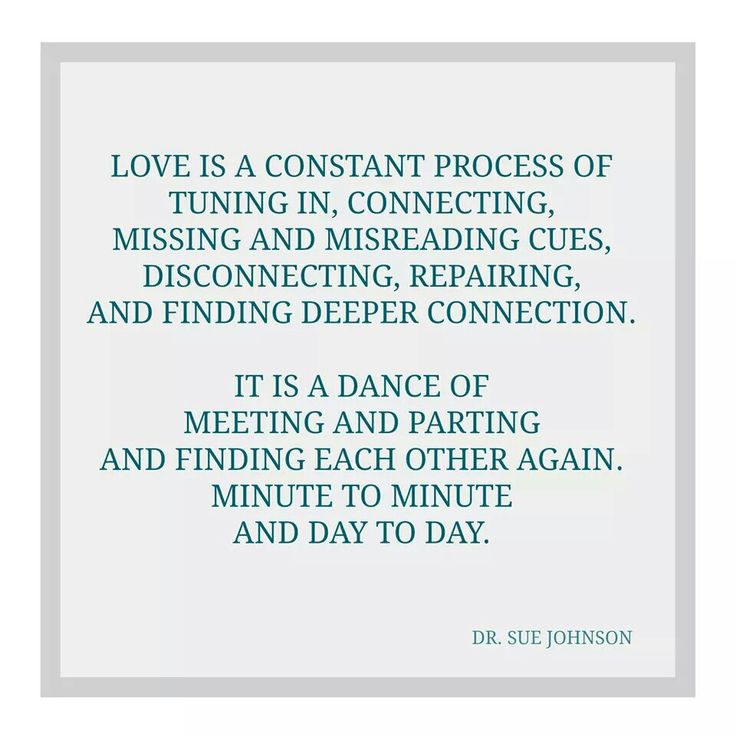
Dr. Sue Johnson, author of “Hold Me Tight” and “Love Sense” describes relationships as a sort of dance, a tango, where sometimes one partner is pursuing and the other is moving away, while other times. the other partner is the pursuer. Sometimes, it is difficult to connect if one or both partners are holding on to grudges about perceived or real past misdeeds committed during the course of the relationship. Other times what gets in the way of really connecting with a partner is a failure to speak honestly about our values, our needs, wants, hopes and desires in the relationship.
When this happens, we may find ourselves drawing from a sort of Rolodex of past transgressions, flinging past misdeeds or mistakes at our partners in some backward and feeble attempt to share our feelings or communicate our values or indicate that our needs are not being met. Often what happens next is that couples start to engage in a sort of tit-for-tat tango, with partners hurling past wrongs at each other in some sort of bid for connection, some sort of bid to share emotionally or some sort of bid to get our needs met that goes horribly wrong.
How do we avoid this tit-for-tat tango? Well, it means we have to give ourselves permission to really get in touch with our deeper emotions, our needs and our values and share those with our partners in constructive, kind and compassionate ways. We cannot forge connection through criticism or nagging or by reminding our partners of past misdeeds or mistakes.
We can avoid the tit-for-tat tango by engaging in calm discussions about our needs, our values and our desires in a relationship. Yes, that means that we have to give ourselves permission to be vulnerable with another person. Yes, that means we have to get in touch with our deeper emotions. Yes, that means that we have to share emotionally. It also means that we give up the delusion that our partners can read our minds or that we can read theirs. We must also try to stop assuming that we know how our partners will respond to or feel about whatever we have to share. If we are not sharing what we are thinking, feeling and needing, our partners may, at best, be able to make an educated guess. Sometimes they may be right, but sometimes—because they are human—they may get it wrong. It is best to simply share our values, needs, wants, hopes and desires with our partners so we do not put them in the awkward position of having to guess.
We can and should avoid the tit-for-tat tango by remembering that it really is not fair to draw from the Rolodex of past transgressions when in the midst of a discussion about what is happening in the relationship now. It is not helpful to engage in a sort of “You did this” … “Well, you did that” … “Well, you did this other thing” type of conversation. These sorts of conversations really only serve to build walls of resentment and anger, which is generally not helpful in any relationship. Focus on what is happening now, what you need now to move forward in the relationship.
Relationships take a lot of work. That work hopefully involves sharing what our values are, what our needs, wants, hopes and desires are. Avoiding the tit-for-tat tango requires that we stop drawing from the Rolodex of past transgressions, that we stop using criticism as some feeble bid for connection, and that we get in touch with our own emotions, and show curiosity and compassion for our partner’s emotions. Avoiding the tit-for-tat tango also requires that we own up to our mistakes or misdeeds, apologize for them and take responsibility for our words and actions, possibly by changing our behavior.
Yes, relationships take a lot of work. But if we can give ourselves permission to get in touch with our emotions, our values, and our needs, wants, hopes and desires, and share them with our partners, we may be able to avoid the tit-for-tat tango that so many of us find ourselves dancing. If we can avoid thinking that our partners should be able to read our minds, we can avoid feelings of disappointment that our expectations were not met. Our partners cannot know what our expectations are unless we share them. Avoiding the tit-for-tat tango requires that we share what we are thinking and feeling, and asks of us to be vulnerable with our partners on an emotional level.
Are you ready to dance a different dance? Can you give yourself permission to get in touch with your deeper emotions? Can you share with your partner your values? Can you share with your partner your needs, wants, hopes and desires?
~ Karri Christiansen, MSW, LCSW, CADC, CCTP

 phoenixrisenblog