Self-love is not selfish

How often do we criticize ourselves and speak to ourselves in ways we never would address friends or loved ones? How we talk to ourselves matters. Years ago, a teacher spoke to me about the importance of self-love, the unconditional love of self that fosters a strong sense of self-esteem. As I age, I understand more and more how self-love is essential to my being.

Self-love is not selfish love. Self-love does not mean putting my needs, wants and desires above everyone else. Self-love involves speaking kindly to oneself, to being compassionate toward oneself, to being patient with oneself. Self-love means understanding that you are doing the best you can. Self-love means taking care of oneself, for if you do not take care of yourself, how can you possibly take care of anyone else?

For lent this year, instead of giving something up for 40 days, I practiced self-love. Sure, it was difficult at first, but the more I practiced, the easier it became (as is the case with anything). Instead of speaking harshly to myself when I made a mistake, I reminded myself that mistakes are our way of learning how to do something better. I used terms such as “darling” and “honey” to refer to myself instead of more derogatory terms. I spoke to myself the way I would address a friend or loved one.

We almost never would speak to our friends and loved ones in the ways we sometimes speak to ourselves. And we certainly never would tolerate being spoken to by anyone else the way we sometimes speak to ourselves. What we say to ourselves matters. How can we love ourselves when we refer to ourselves in derogatory, harsh ways? What would happen if instead of calling ourselves something like “dumbass” we called ourselves “darling?” What would happen if instead of berating ourselves for making a mistake, we congratulated ourselves on doing so and having the courage to find a way to do something better?

We all deserve love and belonging and that love should start with love of self. Self-love takes practice, indeed. What can you do today to start your journey of self-love? Can you find something beautiful about yourself and offer yourself a compliment? Can you find something you are good at and congratulate yourself?


Self-love is not selfish

Did you “should” yourself today?

How often in our lives do we tell ourselves we “must” do something or that something “must” occur for us to be happy or fulfilled? How often do we tell ourselves that we “should” do something or that something “should” happen for us to be content with our lives?

Before he passed in 2007, Albert Ellis talked to us about “musterbation,” or telling ourselves we must do this or that, things must be this way or that, something must happen before we can be happy. Why do we tell ourselves these things? “Musterbation” and shoulding ourselves is akin to shaming ourselves. One cannot shame oneself into being happy. Happiness does not work that way. More likely than not, we would not shame a friend or family member and think that by doing so, we could make that person happy. Shame makes us feel bad. Indeed, shame tells us we are bad.

“Musterbation” and shoulding ourselves only prolongs feelings that we are not enough, that our lives are not good enough just as they are. But what if we stopped doing that to ourselves and simply accepted that things just are? Certainly, some things in our lives can be changed. If we are in a miserable, dead-end job we can seek employment elsewhere. If we are in abusive, hurtful relationships we can summon the courage to leave. If we do not like where we live, we can make plans to move.

There is something to be said for the Serenity Prayer here and accepting things the way they are and having the courage to change the things we can and having the wisdom to know the difference. But we must be careful that we do not should or must ourselves or we risk the chance of living in perpetual shame.

What are some things you can stop telling yourself about the way things should be or must be before you embrace happiness? Can you accept the idea that some things just are and be happy in the moment that you are living right now? Happiness is often found in the small moments. We rarely find happiness in shoulding ourselves or “musterbating.”


Did you “should” yourself today?

Victim or victor

Every day we are confronted by situations or people who can bring out the anger in us. Someone cuts us off in traffic on the way to work. Someone takes all the credit for a project your team completed at work. Someone ghosts you in a relationship. Someone fails to respond to messages or texts. Any of these things can make us angry, but really, what is beneath that anger? Is it hurt? Shame? Jealousy? Confusion?

Anger often is a mask for our real feelings. Anger is our first reaction. But what if we delve deeper into what we really are feeling? What happens if we sit with the real feelings beneath the anger? What if we admit to ourselves that we are less angry and more hurt or ashamed? Well, it is hard to do that, of course. No one wants to admit being hurt.

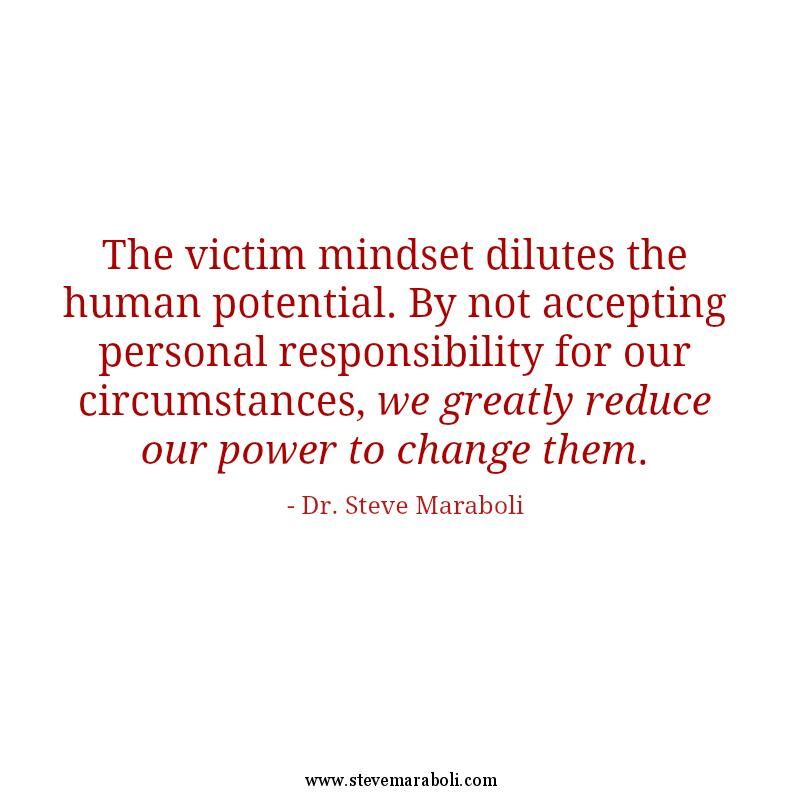
So we hold on to that anger. But holding on to anger is more than just unhealthy. Holding on to anger turns us into bitter, hurtful people who tend to lash out and push people away so we ourselves do not get hurt. And in holding on to anger, we become victims of our own lives.

Anger is a choice. We can choose to respond to people or situations that hurt us in an angry, vengeful way or we can accept the fact that we have been hurt or shamed, explain our true feelings and move on. Why hold on to that anger? What purpose does it serve? One may think that holding on to anger protects you from future hurts, but it does not. We can no more control what is going to happen to us than we can the sunrise or the sunset. All we can do is control the way we react to something or someone. We can choose to react with anger or venom and continue to be a victim of our lives or we can choose to react from a place of understanding.

Very few people actually try to hurt us on purpose. What is going on in the life of the person who hurt us to make them behave that way or say what he said? If we come from a place of understanding and compassion, we become victors of our lives and the situations with which we are confronted. If we come from a place of understanding and compassion, we are less likely to respond with anger and more likely to respond with love. Would that not be better? Doing so makes us the victors of our lives. Which would you rather be? A victim of your life or the victor of your life?

You can choose to be the victor of your life or you can choose to be a victim of your life. What happens when we choose to be the victor, the hero of our own lives is that we start to feel as though life is happening for us instead of life happening to us. When we choose to be the victor of our own lives, we begin to feel as though we have more agency, more say in how we choose to react to people and situations. When we choose to be the victors of our own lives, we own our feelings and can find it easier to move past anger, hurt and sadness. We can choose to react to troubling situations with grace and compassion when we choose to be the victors of our own lives. The choice is up to you.

Victim or victor

Be a hope warrior

As a social worker who herself has risen from the ashes of severe depression, anxiety and a manic episode that lasted 18 months and has been in recovery for almost eight years, I feel it is my duty to instill hope in those who have none. Indeed, that is why I went into this business.

When you are living with profound depression, debilitating anxiety and/or substance use disorder it certainly can feel like there is absolutely no hope that you can ever get better, that you can ever live a life free of mental illness or drug use. But, I promise you, there is hope. Every day offers you a chance to find your way to recovery, a chance that things will get better. But what does “better” mean? Certainly it means something different for everyone who lives with mental illness and/or substance use disorder. Perhaps “better” for you means getting out of bed today and getting yourself into the shower, dressed and to work. Perhaps “better” for you means one more day without your drug of choice. Perhaps “better” for you means you get outside for a walk or a run or a bike ride. Science tells us that as few as 30 minutes in nature helps release those endorphins we have talked about before, the feel-good chemicals in your brain that help you feel better. Perhaps “better” for you means you go to bed with the thought that maybe tomorrow will be better. That is what hope is.

Hope is that little voice inside you that says, “I’ll try again tomorrow.” Hope is that little voice inside you that says, “Tomorrow will be better.” When you live with mental illness and/or substance use disorder life can feel hopeless. We want to feel better now, but we are not sure how to get to “better.” Sometimes having hope means taking even just one small step toward mental wellness. What is one small thing you can to do today to improve your mental health? What can you do today that will make your tomorrow better?

Obviously, we cannot just hope ourselves well. We have to be willing to do the work of recovery to get well and to stay well. For most people living with mental illness and substance use, recovery does not just happen over night. Recovery happens when we take the steps necessary to make ourselves well. Recovery is a lifelong process. What can you do today to move from illness to wellness? What are you willing to do to engage in a healthier life? Sustained recovery is found when we practice hope on a daily basis, when we become hope warriors. What can you do today to embrace hope?


Be a hope warrior

Be your own hero

What does it mean to be brave? Bravery comes in different forms for different people. For those struggling with profound depression, just getting out of bed and making it to the shower can be brave. For those living with the albatross of substance abuse going an hour, a day, a week, a month without one’s drug of choice can be brave.

Sometimes being brave just means doing something one is afraid to do. But what is that fear about? Is it perhaps about the possibility of failure? Is that fear really about the idea that we do not deserve good in our lives, that we deserve to be happy and successful? I think one only fails if one stops trying. Failure is never the end, indeed it can remind us that there may be another way to tackle a situation or problem. Failure offers a second chance at success. Be brave, be a hero and dare to fail and try again. Sometimes being brave means embracing hope, even if there is only a modicum of hope to be found. Hope is that little voice inside you that says, “I’ll try again.” Hope is that little voice inside you that says, “Tomorrow will be better.”

Being brave involves embracing that little voice inside you that compels you to keep moving forward. For those living with depression, after finding the courage and energy to get yourself out of bed and into the shower, maybe the next brave thing to do is getting to work or making a call you have been putting off. For those living with substance use disorder, maybe being brave means going another day without your drug of choice. Maybe it means looking up the telephone number to a treatment center and finally making that call to get help.

Whatever your brave is, you have it inside you to embrace that. When we think of people who are brave, we often think of soldiers or police officers or firefighters— the heroes who put their lives on the line every day to protect us. What if we were to be our own heroes? What if today you make the decision to do one something brave every day? What will your one something brave be today?


Be your own hero

Why not now?

So often in our lives we say to ourselves, “Once I’ve done this, then I can do that.” For example, “Once I’ve lost 10 pounds, I’ll be happy.” We so often postpone our joy until we think we deserve it, when the fact of the matter is, we deserve to be happy right now.

What are you predicating your joy on? At what point will you let yourself be happy simply because you deserve to be? You deserve to be happy simply because you are human. Why do we have to earn something to be happy? Why not be happy now?

Every day is full of small victories, especially for those of us living with mental illness or substance use disorder. Getting out of bed is a victory, be happy about it. Making time for exercise to get those endorphins going is a victory, be happy that you did something good for your body and soul. Nourishing your body is a victory, especially if you live with an eating disorder, be happy about it. We should celebrate our little victories every day by engaging in something that makes us happy. Why postpone your joy?

We also tend to “save” certain things for special occasions, but is not life a special occasion? Go ahead and use the good china, wear the fancy shoes or the pretty dress because today is special, because you deserve it. You deserve to be happy right now, not just when you close that deal at work or finish that report.

When we postpone our joy to that time when we think we deserve it, we shortchange ourselves. Do we not deserve better? Do we not deserve to be happy now, in this moment, in this point in time? Damn right, we do.

Why not now?

Work hard, play hard

Every day when I am running, I pass an elementary school and sometimes am lucky enough to pass by when children are at recess. I love the sound of children playing and having fun, screaming and shrieking with unadulterated joy. It reminds me how important play is to children, but also reminds me that play is just as important for adults.

How often in our busy lives do we as adults make time to play, to just have fun and enjoy life. All too often adult play time is relegated to the weekend, but what if we were to schedule time during the week to play, whatever that might be for us? Adult play is important as it gives us time to recharge and remind ourselves to do something just for the sheer fun of it. What do you like to do for fun? Adult play could consist of anything from hitting the gym for some people to joining a pickup game of basketball with friends, going for a leisurely bike ride just to enjoy the scenery. For others play time might mean gardening or coloring or working on crafts.

It is important in our hectic lives to make sure we take time just to do things that make us happy, whatever that might be. Our play time is just as important as recess is for school children. We adults need downtime just as much as our kids do, maybe more so depending on what our jobs are. Sure, finding time during the work week to play can be difficult, but try to think of it as an appointment with yourself and perhaps your friends or even your children. And it is not about finding the time, it is about making the time to do things that simply make you happy. It is about making time to do something that is important to you and is good for your soul, that will help you release stress and recharge your batteries.

I think sometimes we as adults think we do not deserve play time, that we have to be doing something work-related or “productive.” But if you think of adult play time as an appointment with yourself, something necessary to maintain your sanity, is that not productive? Your mental health matters and adult play is important to keep yourself happy. All work and no play puts our mental health at risk. We all work so hard during the week to pay the bills, put food on the table and clothes on our backs, do we not deserve some play time as well? Work hard, play hard.

Work hard, play hard

New day, new you

Living with mental illness can be debilitating, leaving us trapped in our misery and anxiety. But every day you get out of bed is a victory, every day you rise up and embrace the day with enthusiasm is a victory. Every morning offers a new opportunity to recreate yourself, to become the person you always were meant to be.

It has been said that every morning offers two choices: continue to sleep with your dreams or wake up and chase them. Who do you want to be today? This morning, this bright new day offers you a chance to make choices that will afford you the chance to become the person you always wanted to be.

We who live with mental illness and those of you who struggle with substance use often find it difficult to make even the smallest decisions. If your only choice today is to stay in bed or get out of bed, I urge you to toss aside that down comforter, put your feet on the floor, rise up and stretch the sleep out of your system. Get out of that bed and make the decision that today, you will begin to make healthier choices, to become a better version of you. Who did you want to be when you were little? No one thinks when they are younger that they want to live with depression, anxiety or substance use. Who can you be today? Can you be the person you wanted to be when you were younger?

What choices can you make this morning that will lead to a good day and evening? What choices can you make today that will leave you feeling full and accomplished. What choices can you make today that, when your head hits the pillow at the end of the day, will make you feel as though you took a step forward on the path to a healthier life?

Today is a new day, ripe with possibility. What are you going to do with it? Today is a new day, a chance for you to become a new you. Who do you want to become?

New day, new you

A joyful heart

A few years ago, I spent two weeks in Ghana with underprivileged children teaching them English. Well, that was the premise of my trip. I think those children taught me more than I taught them. Ghana is severely impoverished with many people living in shacks and driving on dirt roads, if they can afford a vehicle. Electricity is intermittent and hot running water is a luxury. Yet in all my years on this planet, I have never witnessed so much joy.

Where does that joy come from? I believe it comes from being thankful for what you have, from being grateful. It has been said that gratitude is the birthplace of joy, that people who are grateful for what they have are happier than people who lament what they do not have. So often people living with mental illness and substance use disorder fall into a downward spiral when they think about what they do not have … the perfect job, a fancy house, a newer car. But what would happen if instead of focusing on what we do not have, we were grateful for what we do have? What if we paused throughout our busy days to be thankful for little things, like the birds singing, our morning coffee, good music on the radio during our commute to work?

It is true that not every day is good, but it also is true that there is good in every day. Maybe the only good thing that happened to you today is that you had a really good cup of coffee or that your hair turned out just right or that you had a chance to chat with a friend or loved one if even for a few brief minutes. Right there are three good things that happened to you. If we could teach ourselves to be grateful for the little good things that happen to us during the day, we open ourselves up to be more joyful, to have a more joyful heart.

Gratitude is the birthplace of joy and becoming more joyful takes practice. Perhaps at the end of each day, before settling into your comfortable bed you could jot down three to five good things that happened to you during the day. Be grateful for those things. Try doing this every night before bed, even if it is just a mental note. The more we become grateful for the good in our lives, the more joyful we will become, the more our hearts will become joyful.

A joyful heart

Healthy self, heal thy self

So often people come to treatment expecting someone to “fix” them, to solve their problems, to make them better. If only it were that easy. If only I could wave a magic wand and make your troubles disappear. I would if I could, but sadly I cannot do that.

I often tell my clients that I do not have the solutions to your problems, but you do. Let’s work on finding those solutions together. There is something in my profession called “the miracle question,” and it goes something like this: “Suppose tonight, while you slept, a miracle occurred. When you awake tomorrow, what would be some of the things you would notice that would tell you life had suddenly gotten better?”

How can you and I work together to make things better? Has there ever been a time when things were better? What were you doing then? Try that again. There are so many things we can do to heal ourselves, to take care of ourselves and move ourselves from addiction and mental illness to health and mental wellness. What are your coping skills? Can you listen to music for a while? Could you call a family member or friend? Have you tried adult coloring books? Can you read for a while? Watch a movie? What about going for a walk or a run? Have you tried yoga? Exercise is the most under utlitized anti-depressant available. Exercise gets your endorphins—the feel-good chemicals in your brain—going. Even a half-hour stroll might make you feel better.

How can you heal yourself? What are you willing to do to make yourself feel better, to make your life better? Oftentimes, it begins with making healthier life choices. What are you eating? It matters what you put in your body, how you are fueling your system. Instead of choosing a doughnut for breakfast, how about a piece of fruit and some yogurt or oatmeal? Instead of binge watching the last season of “Game of Thrones” maybe you could go hiking through a nearby forest preserve? Science tells us that being in nature for as little as 30 minutes a day gets those endorphins going and helps make us feel better.

Your life consists of all the choices you have made up to this point. Is it time to start making better choices? Is it time to start taking better care of yourself, your body, your life? If you are ready to do that, start with making one healthier choice a day. Once you start making healthier choices, it will be easier to begin doing that throughout the day and those healthier choices will start to add up and you will start to feel better, healthier. Healthy self, heal thyself.


Healthy self, heal thy self