How to practice gratitude during a global pandemic

What strange times we are living in right now. We are in the midst of a global health crisis the likes of which most of us never have seen before. A pandemic that requires us to practice social distancing, keeping us away from our most treasured family and friends as we begin to celebrate the holiday season. It may seem as though there is little for which to be thankful.

With American Thanksgiving just days away and much of the United States seeing a surge in COVID-19 cases, it may be difficult to think about all the things for which we can practice gratitude. We may be feeling an increase in anxiety and depression because of the pandemic. We may be feeling evermore isolated and lonely after months of social distancing. We may be feeling restless after months of working from home, or not working at all. How can we even begin to think about practicing gratitude in the midst of all of the uncertainty caused by the pandemic?

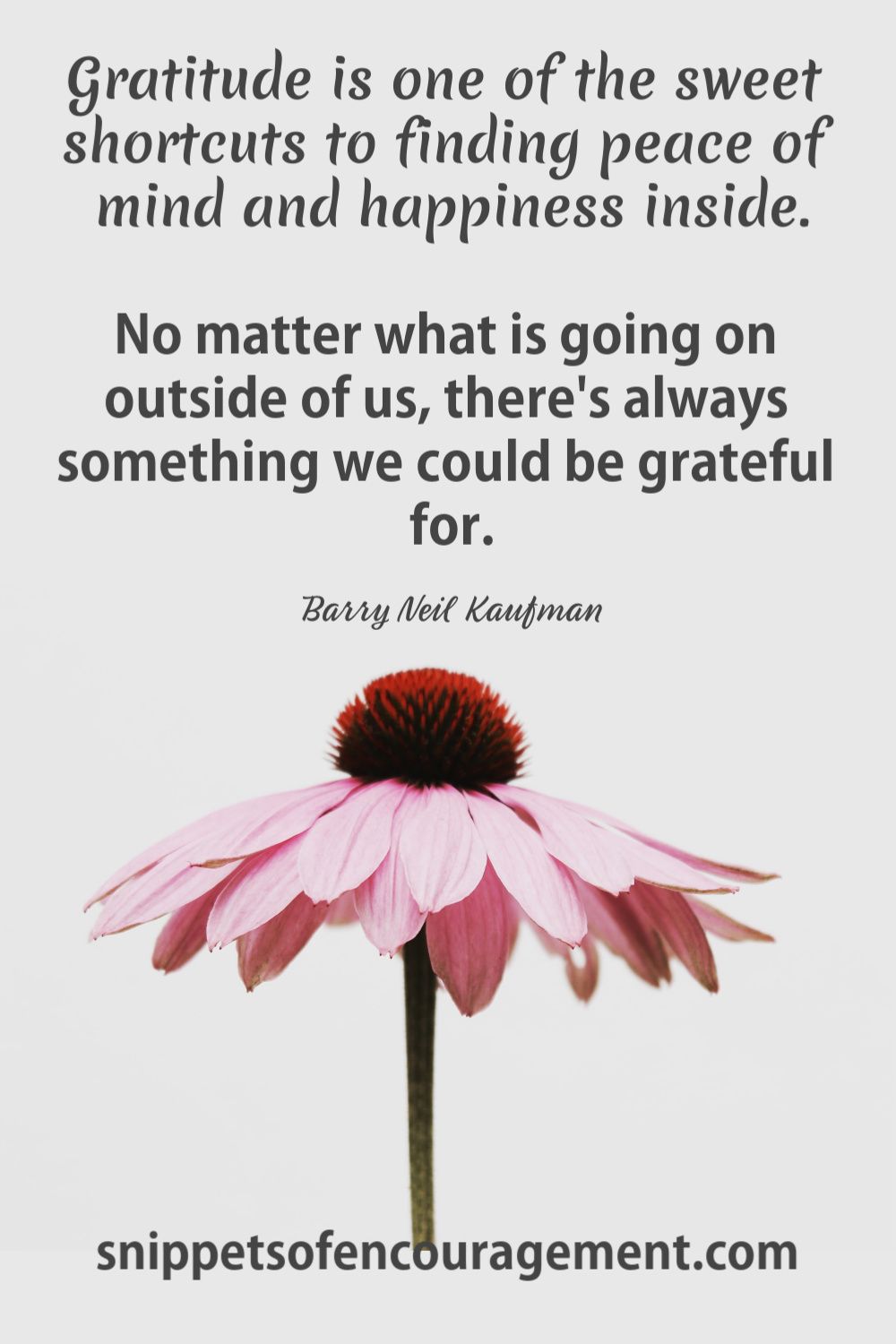
For starters, we can be thankful for the opportunity to keep ourselves and our friends and family members safe by continuing to practice safety protocols such as wearing masks and social distancing. We can be thankful for the technology that affords us the opportunity to reach out to family and friends via video chats, text messages and phone calls. Consider for a moment how different our lives would be during this pandemic if those technologies did not exist.

Yes, we are living in challenging and uncertain times. Yes, many of us are finding ourselves weary and tired of isolating, tired of keeping our distance, tired of not being with our most treasured family and friends. Yet if we continue to practice gratitude for the fact that our people remain just a phone call, text or video chat away, perhaps we can weather this storm with a little grace. If we continue to practice gratitude for the opportunity to reach out to friends we might not otherwise have had a chance to communicate with, perhaps we can forge stronger connections and expand our social networks as a result of this pandemic.

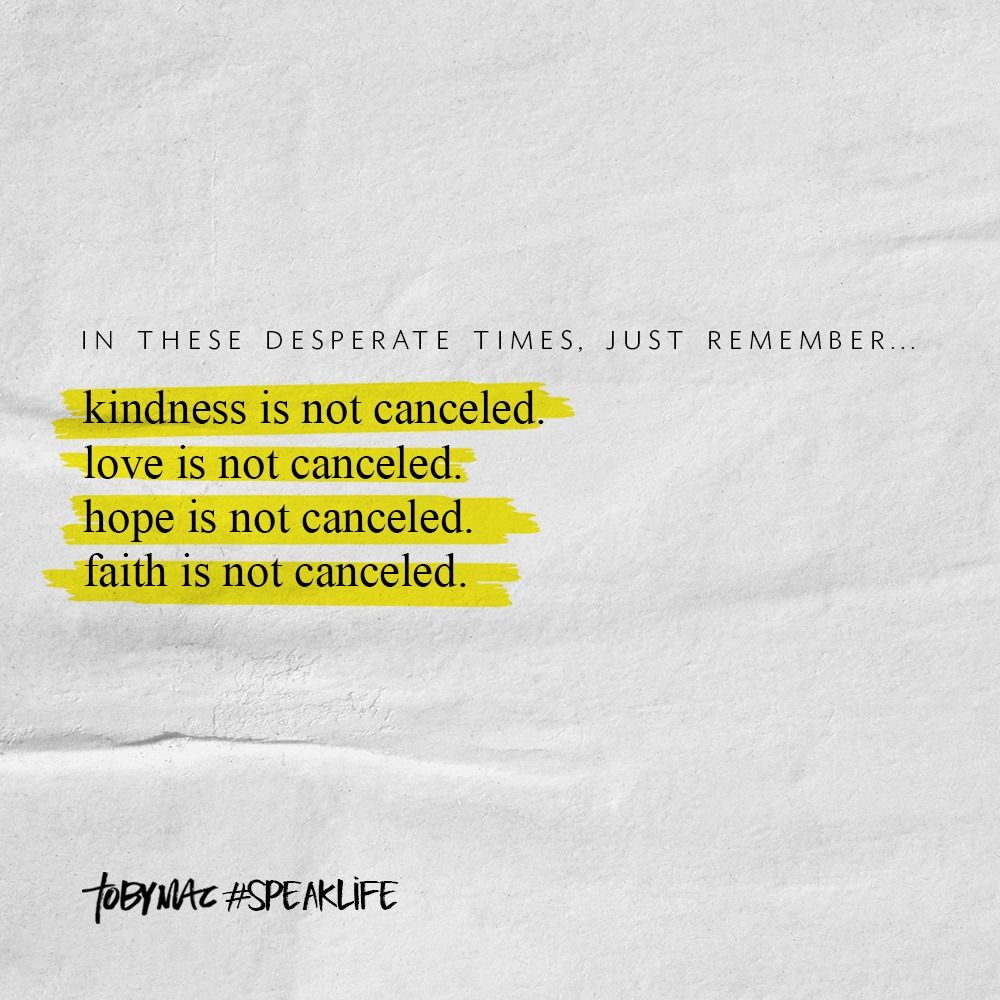
It may seem as though there is little to be thankful for right now. If we continue to practice gratitude for those on the front lines of this pandemic, the hospital workers, the police and firefighters, other essential workers, perhaps we can manage to get through this together.

The holidays are upon us and this time of year always reminds me to practice gratitude for my loved ones. While many of us may not be able to be with our loved ones physically this year because of the pandemic, we can be thankful for the opportunity to reach out in creative ways to keep our connections strong. Yes, being physically separated from our loved ones is difficult but perhaps we can be thankful for the opportunity to keep them safe by practicing social distancing.

It can be difficult to practice gratitude during times like this, for sure. But if we remember that gratitude is the birthplace of joy perhaps we can navigate this holiday season with grace. If we afford ourselves the opportunity to look at this pandemic as a chance to slow down and think about who and what is important to us, perhaps we can come out the other side of this stronger than before. If we look at this pandemic as a chance to really look at our lives and practice gratitude for that which truly is important to us perhaps we will triumph over the virus after all.

How to practice gratitude during a global pandemic

Let us have a return to compassion and empathy

Over the past several years it seems as though we on so many levels have seen a swerve from treating each other with kindness, respect, dignity and compassion to treating each other with disdain, hatred and finger-pointing. I wonder what would happen if we took a turn back to treating each other with compassion and empathy.

Over the past several years, my heart has become exhausted from seeing and hearing the hate-filled rhetoric that has become so pervasive on social media and in our communities. I find hatred to be so tiresome. I find the increasing lack of compassion toward others exhausting. I find the lack of empathy for others’ thoughts and feelings wearing me down emotionally and physically.

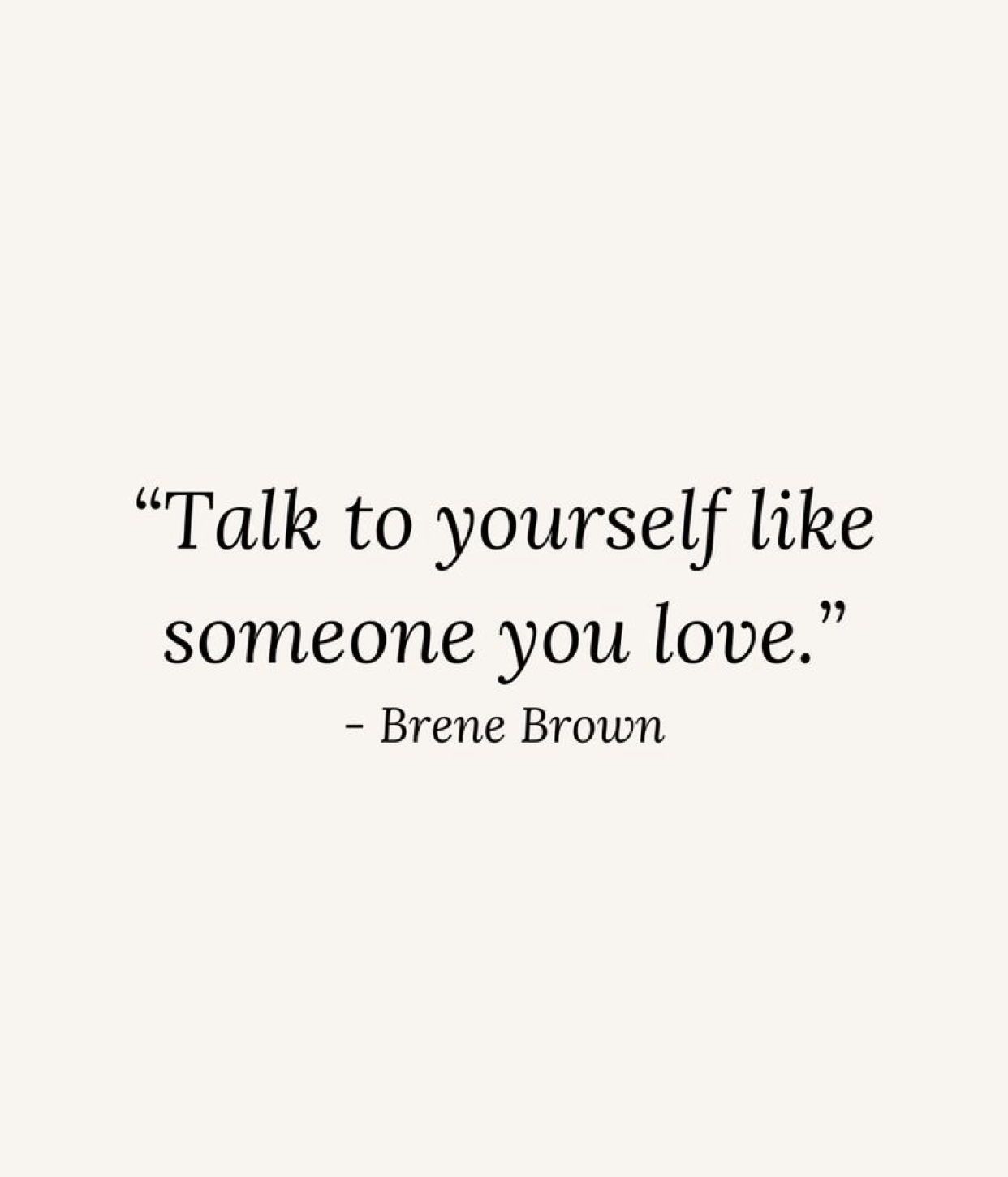
Perhaps one of the reasons we seem to be lacking in compassion and empathy for others is because we are not quite sure what empathy looks like. Brene Brown, my social work hero, offers a good, short video explaining the difference between sympathy and empathy. I share it hear and invite you to watch:

Showing others empathy requires us to dig a little deeper and asks us to sit with others in their feelings, rather than patting someone on the back and saying, “There, there.” Offering empathy to someone who is hurting requires us to sit with others’ uncomfortable feelings in a non-judgmental way that allows our other to feel seen and heard. I wonder what our world would look like if we offered others who are hurting, others who are struggling, more compassion and empathy. I wonder what would happen if, when someone tells us she is struggling, we offer empathy instead of likening her experience to something we have been through.

One of the worst things someone can say to another who is hurting is, “I know how you feel.” No, actually, you do not know how that person feels. You can only know and really understand how someone feels if that person shares with you her thoughts and feelings. Offering compassion and empathy when she does requires us to sit with those feelings without judging her and without likening her experience to our own.

If we are to return to an era of compassion and empathy, we need to ask ourselves what we are doing to make this world a better place not just for ourselves but for those around us. Offering those around us, who are likely fighting battles we know nothing about, compassion and empathy costs us nothing. Offering compassion and empathy to those around us not only lifts up other people but helps us in the long run by allowing us to see that we are all struggling with something. Offering others compassion and empathy helps us by reminding us that we are wired for connection and that we make strong connections with others by being kind. How can you begin to offer those in your life more compassion and empathy? What can you do to show those around you that they are not alone in their struggles?

Let us have a return to compassion and empathy

Release your need for control and free yourself

There is so much going on in the world right now, things that are beyond our control to some extent. We are in the midst of a global pandemic with COVID-19. In the United States, we are in the midst of a contentious election season. Many of us are facing an economic recession with high unemployment and have experienced layoffs or furloughs ourselves.

Many of us are feeling a loss of our sense of control these days which has led many people to experience symptoms of anxiety and depression. Those feelings can leave us feeling stuck, even crippled and unsure of how to regain control. But what would happen if instead of trying to control things, we released our need for control. What if we instead leaned in and radically accepted that the only thing we really have control over is ourselves, what we do, what we say and how we react to situations?

Radically accepting that the only thing we have control over is ourselves does not mean that we condone others’ poor behavior toward us or the things others say or do. Radical acceptance means we accept things as they are. We allow ourselves to buy in to the idea that some things simply are they way they are and will remain that way regardless of what we do or say. Radical acceptance requires us to relinquish our need for control over that which is beyond ourselves. It reminds me a bit of the serenity prayer.

Knowing the difference between the things we can change and the things we cannot can free us from feeling as though we need to control everything around us. The fact of the matter is, we cannot control every little thing. Some things just are the way they are. We can choose to accept that or we can fight that, but fighting that can lead to depression and anxiety.

If we choose to accept the fact that the only thing we really have control over is ourselves, we can liberate ourselves from the need to feel responsible for those around us. And in fact, we are not. Coming to that realization can help lift us out of depression and anxiety.

Radical acceptance can help us remember to stay positive regardless of the situation. It does not mean that every situation will be good. Rather, radical acceptance can help us remember that while not every situation will be good, we can be good with most situations if we release our need for control. We can control how we react to any given situation and choose to remain positive, knowing that whatever happens we will be okay in the long run.

In what areas of your life can you release your need for control? What can you do to free yourself of the need to control everything around you? Can you accept those things you cannot change? Can you recognize that the only thing you really have control over is yourself, what you say and what you do? Doing so might mean the difference between living with depression and anxiety and living your best life.

Release your need for control and free yourself

Judge not others

We are in the midst of a pandemic, and I do not just refer to the coronavirus. It seems as though we are in the midst of a pandemic of hate and judgement. It seems as though the more I talk to people, the more I hear hate-filled rhetoric and judgemental statements about others. It pains me to hear this as I cannot help thinking that we are all in this together, this life. We all are struggling to do our best and it seems as though some people have found it easier to cast judgement on others rather than look inward and work on becoming more compassionate and empathetic to themselves and to others.

In my work, I hear from people in all walks of life. I hear from people across all races, colors, creeds, religions. I hear from people of all political persuasions. I hear from people from myriad cultures and backgrounds. I love that aspect of my job. It opens me up to learning something new from the people I work with every day. It opens me up, period.

I wish the same were true of some of my clients. I find myself working with a fellow who comes from a Caucasian upper middle class suburban background, who struggles with addiction and mental health concerns. This fellow has told me in no uncertain terms how he leans politically and socially. What I have noticed in working with him is that he offers little to no compassion for himself having survived addiction and mental illness and affords those who suffer the same little compassion or empathy. It makes me curious as to why, and I can only believe that he has trouble with compassion and empathy because he is not yet fully healed.

In speaking with him yesterday, he told me of his hatred toward certain people, particularly people who do not take personal responsibility for their life choices. Interesting, coming from someone who has made a series of what may be considered poor life choices. It reminded me that people tend to judge others from those parts within oneself that are not healed. We project hatred on people for qualities in ourselves that we find disdainful. We refuse to offer compassion to those we hate because we cannot offer ourselves compassion.

I wonder what would happen if more of us were kinder not just to ourselves, but to others. I wonder what would happen if instead of judging others, we accepted each other as perfectly imperfect beings who are doing the best we can with what we have. I wonder if instead of hating others who are not like us, who do not look like us, who do not think like us, we accepted them as they are. What would happen if instead of passing judgement, we came from a place of love? What would happen if instead of practicing hate, we practiced loving kindness?

It costs us nothing to be kind to others, to offer others the love we should be giving to ourselves. It costs us nothing to be compassionate toward those who are different from us. It costs us nothing to listen to others with not just an open mind, but an open heart.

We are in the midst of pandemic of hate. Perhaps we can change that by treating others as we would like to be treated, with respect and dignity for being human beings. Perhaps we can change that by remembering that many people are fighting battles about which we know nothing. Perhaps we can change that by looking at ourselves before we judge others.

Judge not others

Mind your mental health

This week marks Mental Health Awareness Week and today is National Depression Screening Day. Some one in five people live with mental illness at any given time in the United States. You may be one of them. As we mark this week, remember that it takes more courage to ask for help with your illness than it does to suffer in silence.

Major depression is more than just feeling blue or out of sorts. It’s more than just a bad day; it’s a deep down inside feeling that life itself is bad and isn’t going to get any better. If you or someone you know is depressed, please know that it is okay to seek help. Some of the symptoms of major depression are:

• Feelings of sadness, tearfulness, emptiness or hopelessness

• Angry outbursts, irritability or frustration, even over small matters

• Loss of interest or pleasure in most or all normal activities, such as sex, hobbies or sports

• Sleep disturbances, including insomnia or sleeping too much

• Tiredness and lack of energy, so even small tasks take extra effort

• Changes in appetite — often reduced appetite and weight loss, but increased cravings for food and weight gain in some people

• Anxiety, agitation or restlessness

• Slowed thinking, speaking or body movements

• Feelings of worthlessness or guilt, fixating on past failures or blaming yourself for things that aren’t your responsibility

• Trouble thinking, concentrating, making decisions and remembering things

• Frequent or recurrent thoughts of death, suicidal thoughts, suicide attempts or suicide

• Unexplained physical problems, such as back pain or headaches

Living with depression or any mental illness does not mean you have a flaw in character. It does not mean you are weak. Rather, it’s more likely a flaw in brain chemistry. Many mental illnesses can be treated with medication and therapy. If you are struggling, reach out. There are people who care and who can help you find your way out of the darkness of depression or other illnesses. You do not have to be alone, you do not have to feel that you are alone in your suffering.

If you are feeling suicidal, please reach out to a trusted other or a mental health professional or call the National Suicide Prevention Lifeline at 1.800.273.TALK.

Mind your mental health

Kindness costs you nothing

We are in the midst of unprecedented times. A viral pandemic that has taken the lives of a million people. A contentious election year in the United States. A racial pandemic. Protests peppered with violence. So many of us are seeing so much bad in the world right now it can be difficult to see the good.

But, there is good, if only you take the time to look around you. In the midst of all the suffering stemming from the COVID-19 pandemic, the racial pandemic and the worries about the upcoming election in the United States, I still see beauty in the world and in its people. That beauty stems from those of us choosing to practice kindness and compassion.

Practicing kindness and compassion in times of chaos is a choice. One can choose to look upon the world and its people as though both are broken, or one can choose to look upon the world and its people as though both are improving. I choose the latter. I choose to believe that most people are doing their best to make the world a better place not just for them but for everyone.

If we choose to offer people compassion for doing the best they can with what they have, the easier it becomes to treat people with kindness. And that kindness costs you nothing. We can have different social or political beliefs and still treat each other with kindness. Just because someone is of a different political ilk does not mean he or she is a bad person. We can still treat that person with kindness and respect.

Treating those with whom we may disagree with kindness and respect says that we can disagree without being disagreeable. The cost of treating people with disdain is more than treating people with kindness. Treating people with kindness forces us to remember that people are doing the best they can. I have to believe that most people are doing the best they can with what they have. And that costs me nothing. Kindness costs me nothing.

Kindness costs you nothing

Be mindful of your feelings

Yesterday on the way home from visiting a friend, I was lucky enough to stumble upon a radio show on my favorite station that was discussing the important topics of mental health and suicide. I was reminded of my own struggles with bipolar disorder, depression, anxiety, anorexia and my own suicide attempts.

One of the things that struck me during the discussion about mental health and suicide is that suicide is a leading cause of death in the United States and we have seen an increase in deaths by suicide in the past year. According to the Centers for Disease Control, suicide was the 10th leading cause of death overall in the United States in 2018, claiming the lives of more than 48,000 people. Furthermore, suicide was the second leading cause of death among individuals between the ages of 10 and 34, and the fourth leading cause of death among individuals between the ages of 35 and 54. There were more than two and a half times as many suicides (48,344) in the United States as there were homicides (18,830). Remarkably sad statistics to be sure.

One might wonder how we can prevent suicide. One way is to be mindful of your feelings. Are you feeling overwhelmed with profound sadness and hopelessness? Do you feel as though your life never will get better? Do you feel as though the emotional pain you are in will never end? Are you in excruciating physical pain that seems uncontrollable? If so, know that you are not alone. As many as one in five people live with mental illness at any given time and untold number of people live with physical pain. Know, too, that it is okay to not be okay. If you are feeling desperate, if you are feeling without hope, it might be time to reach out for help.

When I was in the depths of my depression and crippled with suicidal ideation, I thought my life never would get better. What I did not realize at the time was that my life was entirely up to me. So, with the help of my psychiatrist and my therapist, I started to take steps to get the help I so desperately needed. Now, I can say that my life is exponentially better because of the steps I took to improve my circumstances and my own life. The same can be true for you.

Once you get in touch with your feelings, it will be easier to name them and, hopefully, share them with a trusted other, be that a therapist, psychiatrist, friend or family member. Sharing your feelings takes courage, as does making the decision to take the steps you need to improve your life. It will get better once you take ownership of your feelings. Remember, you do not have to be a victim of the circumstances of your life. You can be a victor, a warrior, you can overcome the dark days by seeking the light that is within you.

If you are feeling that there is no hope, please reach out to someone who is able to sit with you in your despair. Know that it takes more courage to ask for help than it does to suffer in silence. Know that when you find the courage to ask for that help, you have taken the first step in improving your life. You have taken control.

Should you need immediate assistance with suicidal thoughts or feelings, please call the National Suicide Prevention Lifeline at 800.273.TALK (8255) or text the Crisis Text Line at 741 741. There is always someone available to help you through the darkness.

Be mindful of your feelings

Allow yourself to feel

What strange times we are living in. For so many people, the year 2020 has been a mixture of bad and good. For so many people, the year 2020 has meant feeling the gamut of emotions from awful to elated. Many people do not know what to do with those feelings.

So many of us these days are finding ourselves struggling because of the COVID-19 pandemic. So many of us these days are finding ourselves feeling things we never may have felt before. Depression, loneliness, anxiety, isolation on the negative end. Calmness, peace, happiness on the positive end. And everything in between. Many of the people I am working with cannot seem to determine exactly what they are feeling. Many are struggling to find a way to name their feelings. Still others cannot seem to allow themselves to feel at all, numbing their emotions with marijuana or alcohol or other substances.

What happens when we do not allow ourselves to feel? What happens when we work hard to “fix” our feelings? What happens when we do not allow ourselves to acknowledge our feelings, be they positive or negative? What happens when we forbid ourselves to sit with our feelings? More often than not, when we disregard our feelings for a long period of time, we become detached from ourselves, losing who we really are. More often than not, when we disregard our feelings, we become numb.

For many people, the very idea of allowing ourselves to feel emotions is at the very least challenging. We may have received messages when we were young that negative emotions were bad and needed to be changed to positive emotions. For instance, perhaps you grew up hearing that feeling angry or sad was not allowed in your family. Perhaps you were told or somehow came to the understanding that feeling anxiety or trepidation was not allowed in your family. You may have internalized the message that feeling any kind of negative emotion was bad and must be “fixed.” You may not have been allowed to feel anything but happy when you were a child. Internalizing the message that only positive emotions were allowed may have left you unable to sit with any kind of negative emotion and now, in the midst of a pandemic that has so many people feeling anxious, depressed, lonely and scared, you might not know what to do with those feelings.

Try to get at the root of why sitting with such feelings is so difficult. Naturally, sitting with such feelings can be uncomfortable. You may want to take steps to “fix” or change those feelings, to numb them. But when you numb the negative feelings, it is likely you will end up numbing the positive feelings, as well. This might leave you feeling flat or nothing at all.

As we continue to navigate this pandemic, you might find yourself overwhelmed by your feelings or overcome with emotion. I encourage you to take a few minutes to sit quietly with those feelings be they positive or negative. Allow yourself to feel whatever it is you are feeling. Having negative emotions does not make you a bad person. We all experience sadness, anxiety and anger from time to time. This does not make you defective. This makes you human. And as a human being, you are entitled to your emotions, be they positive or negative.

If you are having trouble navigating this pandemic, if you find yourself overwhelmed with emotions you cannot seem to name, reach out to a trusted other or mental health professional. These are challenging times. It is okay to ask for help trying to determine exactly what you are feeling. It takes more courage to ask for help than it does to suffer in silence.

Allow yourself to feel

Are you craving attention or feeling disconnected?

It has been a very strange year so far. For so many people, the year 2020 has meant a loss of work, a disconnect from friends, family and other loved ones. This year has meant spending many hours alone at home for so many people. This year has left many people wanting what at first blush feels like attention but what may, in fact, be a longing for connection. But how do you satisfy that need when many of us still are in some kind of quarantine?

One of the things I frequently find myself encouraging clients to do is really get in touch with what they truly are feeling. You may think what you need is attention but what you really may be craving is a conversation with a loved one or physical touch from your partner or family member or friend. What may at first seem like a need for attention may be something deeper. It may be that you are feeling lonely, disconnected and in need of human contact. Stop for a moment when you feel compelled to post on social media seeking “likes” and really ponder what it is you are needing in that moment. Instead of seeking attention via social media, can you reach out to a friend or loved one? Can you make a call, send a text or arrange a video chat? Are you comfortable meeting in person? Think about what you really need in that moment.

So many of us are struggling right now with feeling disconnected from our people even though the area in which you live may have lifted restrictions on gatherings. You may be at a point where your comfort level is such that you feel okay meeting a few people in person while practicing social distancing. Reach out to your people and see if they might be able to meet with you for an hour or so in a responsible way. If you or they cannot meet in person, perhaps arrange a video chat. Do what you need to do to fulfill your need for connection.

This pandemic has left many of us feeling alone and lonely. I am seeing so many people who are feeling desperate for connection, desperate for human interaction. This is normal. As humans, we are wired for connection and belonging.

This longing for connection may have you feeling anxious. If so, think about ways you might calm yourself. Can you go for a walk, run or bike ride? Can you get out in nature? Can you read a good book or watch a movie? What coping skills can you employ to ease your anxiety? Can you practice deep breathing by breathing in for four seconds, holding your breath for four seconds, exhaling for four seconds and holding your breath again? I have found this breathing technique very calming.

It is important during these uncertain times to take care of yourself physically and emotionally. If are having trouble getting in touch with your feelings, if you are feeling overwhelmed by your feelings, reach out to a trusted other or mental health professional. And if you are starved for connection, reach out to your people. Chances are, they are longing for connection, too.

Are you craving attention or feeling disconnected?

Take time to become you

I saw something the other day that made me think long and hard about what this time of COVID-19 is offering us all. Namely, a chance to slow down and re-examine what we want our lives to look like and who we want to be on the other side of this. Perhaps the world has slowed so we can rediscover who we are and who we want to be.

I have been working with several clients in recent weeks who have been furloughed because of the pandemic and have found that without their work, they really are not sure who they are. Their work has become who they are and now, without that, they are not sure who they are. So many of us identify ourselves by our jobs and without that come to question who we are. But we are so much more than what we do for a living. I have asked each of these folks to describe themselves for me and each has come up with words such as kind, caring, compassionate, thoughtful, loyal and smart. None of my clients have actually described themselves by what they do for a living.

Perhaps by describing themselves with adjectives such as kind, caring, compassionate, thoughtful, loyal and smart, they can get a better idea of who they really are and who they want to be. Perhaps they want to be more of these things. Perhaps this time of COVID-19 is allowing them to be more of these things.

So many of the people I am working with feel they have lost themselves since the pandemic started. I wonder if, in fact, they are rediscovering who they are before work took over their lives. I wonder if, in fact, they are finding themselves to be more of who they really are. Or, perhaps they are learning who they want to be.

We can use this time of uncertainty to really examine our lives and ourselves and I encourage my clients to do just that. Perhaps now more than ever we can take the time to think about what really matters to us, who really matters to us. Perhaps now more than ever we can take the time to think about what really is important to us, what makes our lives better and what we can rid ourselves of.

What are you learning about yourself during this time of uncertainty? Have you found yourself reaching out to some people more than others? Have you found yourself distancing yourself from people who you no longer enjoy? Have you found yourself participating in activities you might not have had time for before the pandemic? Have you found yourself employing new coping skills to manage symptoms of depression and anxiety? Have you found yourself more resilient that perhaps you thought you were? What is this time of COVID-19 teaching you about yourself?

Many of us may feel that if we are not working, we need to busy ourselves with tasks and projects in order to stay productive. But there is nothing wrong with taking time to just be. After all, we are human beings not human doings. What I am finding with my clients, and indeed about myself, is that this time of uncertainty is teaching people who and what is important in their lives. What is important to you? I think this time can allow us to slow down and reconsider what really matters to us, if we allow it to do so.

What can you do with this time of uncertainty? Can you allow yourself to take the time to learn about yourself, to determine who you are and who you want to be when this is over? Can you allow yourself to just be?

Take time to become you