Anger is like a stinky onion

Anger is a normal, human emotion that most of us feel from time to time. Some people feel anger more so than others, which makes me wonder what is beneath all that anger? Some people seem to be bursting at the seams with anger, ready to pop open at any given moment, unleashing their emotions onto others.

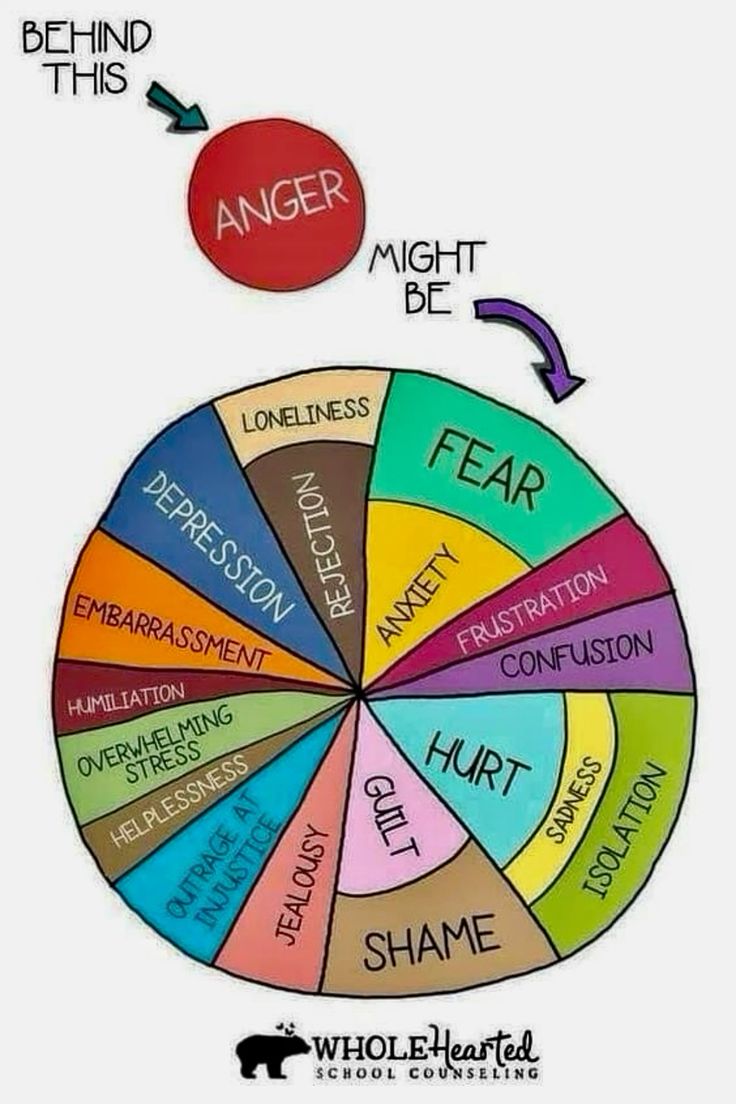
While anger is a normal, human emotion, sometimes it can get the better of us. Sometimes, the anger we carry with us can leave us feeling weary, tired, exhausted. That may be because we have not really considered either the source of our anger or, perhaps, what really is going on. While anger may be what we show the world, sometimes there are other, more painful feelings lurking under the surface. These are the feelings that need attention and care.

If we think about anger the way we might, say, tackle taking apart a stinky onion, we can gain a different perspective. The anger we feel is akin to that crinkly outer skin of the onion. Brittle, easily broken, loud. But what happens when we start to peel back the layers of that onion? As we peel away the layers of that onion, we start to reach deeper more pungent yet more tender parts of the onion. The onion we find at the core has a different feel than what we first notice. Anger is similar.

Just as that crinkly outer skin protects the more tender layers of the onion, so does our anger protect us from having to really deal with our more tender feelings. When we avoid those feelings, though, what often happens is that we are overcome with emotion, sometimes at the most inconvenient times. If we give ourselves permission to really think about our anger, consider what we really are feeling, name it and share it, we may feel better.

Say, for instance, that you are cut off (again) in traffic, headed to work. You become enraged! You smartly avoid any untoward hand gestures directed at the other driver yet you find yourself screaming at them in the privacy of your own vehicle. Yes, you may initially feel angry, but what really is underneath that? Do you feel offended? Unsafe? Frightened? Did the other driver put your life in jeopardy? Did you have to swerve to avoid a traffic crash? Perhaps you felt anxious or fearful?

If we can give ourselves permission to slow down before responding with anger, we can get a better grasp of what is underneath that anger. Just as we might slowly peel back the layers of that onion so as to avoid onion-y tears, the more we proceed slowly with anger the more control we have over our response to it. Often, what is underneath all that anger needs care and attention.

Sometimes, we carry with us years of hurt, feelings of betrayal or rejection. Sometimes, we carry with us years of feeling as though anger was the only emotion we were allowed to express in our families, as sadness or tears were frowned upon. Many people struggle with showing others our more vulnerable feelings, in part because we never had a trusted other with whom to share those feelings. If that is true for you, if you have found that your anger permeates all aspects of your relationships, it may be time to take a closer look at that anger. That might mean working with a mental health care professional or speaking with a trusted other.

We all feel angry from time to time. That is normal. But feeling angry all the time can be exhausting, and off-putting to others. What is your anger trying to tell you? What is beneath the stinky onion of your anger? Can you give yourself permission to get in touch with the core of your anger and all those more tender feelings? Can you give yourself permission to peel away the layers of your stinky onion to find out what’s really going on? Doing so may help you feel more at ease.

~ Karri Christiansen, MSW, LSW, CADC, CCTP

Anger is like a stinky onion

How do concern, compassion, understanding and acceptance affect our relationships?

Years ago, someone told me that maintaining a relationship is akin to tending to a garden. The more we water, fertilize and weed our gardens, the more flowers will bloom. That is, the more we tend to our relationships, the stronger they will be.

But, what happens when we find that our garden is—seemingly suddenly—overrun by weeds? How does that happen, and how do we get it back to where we want it to be? Sometimes our gardens become overrun by weeds when we stop taking care of it. Just like our relationships, when we do not tend to them or expect them to just carry on without work, we may find that we have developed ruptures so big that it seems there is no way to fix them.

Some of those ruptures may start when we stop communicating with our partners, or we stop sharing our feelings or experiences. Sometimes, those ruptures start when we begin to hold judgements of our partner’s thoughts, behaviors, experiences or feelings. We as humans can be judgemental; that is, to some extent, normal. Often, though, our judgements of others stem from those parts of ourselves that need healing. When we find ourselves thinking or saying things that are judgemental, we may make those ruptures in our relationships bigger, stronger. How do we course-correct and repair the relationship? Doing so may mean that we have to enter into what could be uncomfortable conversations. Yes, it sounds icky. Yes, these conversations may be necessary.

One of the ways to broach an uncomfortable topic or enter into what could be an uncomfortable conversation is to, first, let go of any judgements and, second, approach our partners with concern and compassion. After doing so, we may be better able to come to a place of understanding for a person’s words or behaviors and be better able to accept that the person likely is not intentionally causing harm. For example, we could try this approach: “I notice lately that you seem stressed because of work (concern) and have been snapping at me more often, which is understandable (compassion) given the nature of your job. Can you help me understand why (understanding) this is happening so that we can find a better way to communicate (acceptance)?”

When we approach uncomfortable conversations with concern and compassion, we may lessen the chances of our partners becoming defensive and then acting out. We can stray away from those old “I feel X because you did this” statements, which can feel for some people to be blaming statements, putting the onus for our feelings on someone else, which is unfair. And, when we let go of our judgements of others’ thoughts, experiences and behaviors, we make room for compassion and understanding, the cornerstones of healthy relationships. Coming to a place of acceptance, or resolution, may mean negotiating a solution to the problem. This does require an open heart and an open mind that the way we have been approaching things may need to change.

In a way, relationships are like gardens … rose gardens. Yes, we can look at these plants as flowers that have thorns, or we can choose to see thorn bushes that have flowers that if we tend to with care, concern, compassion and understanding and acceptance, will flourish and remain beautiful. It matters how we approach our relationships. It matters how we engage in what can be uncomfortable conversations. If we do not have these conversations, though, the gardens of our relationships will become overrun by weeds. What topics do you need to discuss with your partner? Are you ready to tend to your relationship?

~ Karri Christiansen, MSW, LSW, CADC, CCTP
How do concern, compassion, understanding and acceptance affect our relationships?

What does it mean to have a growth mindset?

Recently, I have noticed both in my professional and personal lives many people struggling with adversity, being faced with struggle and even facing failure and enduring traumatic events. How we approach adversity, challenge, trying times, even trauma can mean the difference between moving on or staying stuck. Having a growth mindset can make a huge difference.

But, what does it even mean to have a “growth mindset?” Having a growth mindset means that we believe that qualities we possess such as intelligence and talent can be changed or developed over time. The opposite, having a fixed mindset, means that we believe certain qualities are permanent or unable to be changed.

Having a growth mindset can help us navigate the often murky waters of life, view challenges as opportunities and can help us face adversity, even traumatic events. When we approach life with a growth mindset, we give ourselves permission to be flexible in our thinking. This is crucial when we are faced with adversity. Approaching life with a growth mindset is akin to living with a flexibility mindset, which allows us to move through adversity with a bit more ease.

In his book, The End of Trauma: How the New Science of Resilience Is Changing How We Think about PTSD, George Bonanno, chair of the Department of Counseling and Clinical Psychology and director of the Loss, Trauma, and Emotion Lab at Teacher’s College, Columbia University, argues that having a flexibility mindset can mean the difference between moving past adversity or staying stuck in adversity. Similarly, Carol Dweck in “Mindset: The New Psychology of Success,” argues that having a growth mindset helps us manage challenges.

Bonanno indicates that a flexibility mindset requires of us three things: optimism about the future, confidence in our ability to cope and, a willingness to think about a threat as a challenge. When we embrace these qualities, we may find it easier to navigate adversity. This is what it means to have a growth mindset, as well. When we are living with a fixed mindset, we fail to embrace challenges as opportunities or even as adventure. Living with a fixed mindset can leave us feeling as though we are unable to adapt to adversity. It tells us, “I can’t.” A growth mindset or flexibility mindset reminds us that, “I can.”

Living with a flexibility or growth mindset will not prevent us from facing adversity or even failure, but it will make it easier to adapt to these challenges. We all face challenges, we all struggle, and we all will, at some point, fail at something. Reminding ourselves that failure is not final can be helpful. Failure is an opportunity to learn, grow and become. Failure can mean redirection, even redemption.

Living with a growth or flexibility mindset can help us find new ways to tackle problems as they arise, and remind us that there often is more than one way to do something. This also can remind us that we can do things that are hard, help us draw on past success and prepare us for future challenges. When we live with a growth or flexibility mindset, we realize that we can be the victors of our lives rather than than victims. We have the ability to move past adversity, to manage challenges and to deal with struggle. What could you accomplish if you adopted a growth mindset?

~ Karri Christiansen, MSW, LSW, CADC, CCTP
What does it mean to have a growth mindset?

How to develop a sense of agency

What does it mean to have a sense of agency? What does that word, “agency,” even mean? And, how does having a sense of agency fend off learned helplessness?

The sense of agency refers to a feeling of control over our actions and their consequences. Many people seem to be suffering from low self-agency, which can sometimes result in learned helplessness. Learned helplessness can occur when people come to believe that they are not in control and give up the idea of being agents of change in their own lives. This also can be seen when we feel as though we haven’t the power to accomplish even the smallest task because someone else always has done it for us.

For many people, a sense of self-agency seems elusive and that lack of self-agency can impact the way they experience their day-to-day existence and their decision-making ability. Many people seem to suffer from a feeling that they have no control over their lives, in part due to external circumstances of war, poverty, living in unsafe communities or because of illness or injury. For others, it may seem as though their efforts to exert control have been thwarted. Yet, there are ways to develop a sense of agency.

One way we can begin to foster a sense of self-agency is to control what stimuli we are subjected to on a daily basis. That means taking charge of what comes into your brain from your environment. For some folks who feel as though they have a low sense of self-agency, it could be due in part to their attention being distracted by outside stiumuli, such as devices or being in crowded spaces. To help increase your sense of agency, practice being in quiet, device-free spaces so that you can escape from over-stimulation. This may mean giving yourself permission to go for a walk in nature without your phone or tablet.

Another way we can develop our sense of agency is to be more selective with the people with whom we surround ourselves. Some people seem to sort of “catch” the energy and emotions of other people and so it can be important to surround oneself with those who positively influence the way we feel. We can give ourselves permission to surround ourselves with people who encourage us to reach our full potential, nurture our talents and affirm our values.

Fostering a sense of agency also can happen when we give ourselves permission to get moving. Physical movement, along with adequate rest and nutrition, helps balance your body and your mind. This, in turn, can improve motivation and leave us feeling stronger with better stamina. Taking short movement breaks during our busy days can help improve our sense of agency by leaving us with the feeling that we are in charge of our bodies.

People with higher self-agency are those who are lifelong learners, expanding their capacity to learn by adopting an open, collaborative approach to life. This may require us to nurture our curiosity and to explore new ideas and opportunities. Give yourself permission to adopt a growth mindset, which allows you to recognize that you, like all of us, are a work in progress who is capable of learning, changing and growing.

Yet another way to improve your sense of self-agency is to be deliberate in our decision making. This means considering options and then taking action. People with low self-agency tend to procrastinate, obsess over details and worry about the process adding to a feeling that they lack confidence to make a decision. Taking action does not always require being absolutely certain. People with a higher sense of self-agency tend to act when they have 80 percent certainty, rather than questioning themselves and the possible outcomes.

Developing a sense of self-agency helps us feel as though we are taking responsibility for our lives, which is the opposite of learned helplessness. Those who have developed a sense of learned helplessness believe they are unable to control or change a situation. The next time you feel that something is going on around you that feels somehow outside of your control, can you give yourself permission to stop and examine it and work on finding a way to solve what may feel problematic? The more you look at problems as opportunities, the better sense of self-agency you will have.

~ Karri Christiansen, MSW, LSW, CADC, CCTP
How to develop a sense of agency

Why does happiness sometimes seem so elusive?

It seems of late that many people are on an unending quest for happiness, yet finding happiness harder and harder to find. Many people struggle with what “happiness” means, what it means to be happy. And, of course, that is different for everyone.

While my idea of what happiness is may be different than yours, there often are commonalities when we think of what happiness is: Happiness is an emotional state characterized by feelings of joy, satisfaction, contentment, and fulfillment. It often is described as involving positive emotions. This seems rather straightforward, yet happiness seems more and more out of reach for so many people. And, I, like many, am wondering why.

What is it in this day and age that makes happiness seem so elusive? Is it that people today find it ever more challenging to find joy and satisfaction? Is it that we have made the glorification of busy such that we are obsessed with being productive to the point of exhaustion? Is it that social media has fueled social comparison and added to the loneliness epidemic?

Or, is it more simple than that? Are we as a society having trouble simply practicing gratitude for all we have, all that life has to offer and for all the beauty left to find in the world? Perhaps it is all these things. Perhaps what more of us would benefit from is slowing down, practicing compassion for ourselves and for others, limiting our use of technology and social media, and making time to be with other human beings.

Are all these things tied together? Are we challenged to be more and more productive because we see others on social media living what on the surface appears to be their best lives? Do we have difficulty practicing gratitude for what we have because others seem to have more or better things than we do? Do we spend too much time on social media, which fuels social comparison and the loneliness epidemic? Are we not making time to be with others in real life situations?

I think all of this could be true and part of why happiness seems so elusive. What if we course corrected and moved away from social media in favor of social interaction that happens in real time with real people in real life? What if we practiced gratitude for all we have while working toward what we want? What if we practiced gratitude with reckless abandon?

Science on happiness tells us that the more we are able to practice gratitude, the more joy we will find in our lives. Many people find it helpful to start a gratitude journal, in which they write three things for which they were grateful for during today or the previous day. Some people like to do this right before bed while others like to reflect on the previous day and write in their journal in the morning. There is no wrong time of day to engage in this exercise, as long as it happens with some frequency.

It may seem challenging at first to find three things for which you are grateful. That may mean that you find one thing and drill down on it. For example, this morning, I enjoyed a flavorful cup of coffee while I eased into my day. I can practice gratitude just for that time to enjoy my beverage, but also can be thankful for whomever crafted the mug I used, for the farmers who grew my coffee beans, for the water I used to brew my coffee, for the electricity I employed to use the coffee pot, for the truck drivers who drove my coffee to my favorite grocery store, for the grocery store worker who put it on the shelf. Suddenly, I am not just practicing gratitude for the coffee, but for all the things that made it possible for me to enjoy that mug of steaming, hot, flavorful coffee. You can do this with so many things.

We can do this when we find ourselves engaging in social comparison after scrolling for minutes (hours?) on social media. When we find ourselves thinking that our lives are not as productive, that our vacations somehow pale in comparison, that our homes are not as luxurious as others’, that we aren’t driving the latest model car, that are clothes are not as high end, or what have you, we can stop and remind ourselves that we only have so much time in the day and can show ourselves compassion for getting done what we were able to get done in the time that we had. We can be grateful that we can take time away from our jobs if we need to be with family or friends. We can be grateful that we have a roof over our heads and a bed to sleep in. We can be grateful that we have a vehicle or access to public transportation that gets us from Point A to Point B. And, we can remind ourselves, that social media rarely is anything other than someone’s highlight reel.

Life is short and our time on this planet really is fleeting. We can choose to be grateful for everything our lives offer us and for the time that we have and find some measure of happiness. Or, we can lament that others have it better. The choice is yours. My guess is, though, that the more you practice gratitude for all you do have, you will find yourself feeling happier.

~ Karri Christiansen, MSW, LSW, CADC, CCTP
Why does happiness sometimes seem so elusive?

How do we forge meaningful connection?

It seems that we continue to find ourselves in a pandemic of loneliness. More and more people are saying that they feel lonely and disconnected, even when amongst friends and family. This begs the questions of “Why?” and “How do we find connection?”

In both my personal and professional life, I hear that folks are feeling increasingly lonely and disconnected. I hear people voice concerns that despite technology seemingly meant to bring us closer to one another, people are feeling more isolated. I hear from many younger people that they are having trouble making and retaining friends. I also hear more and more people admit to spending hours upon hours on their phones, their heads down, buried in social media that leads them to engage in social comparison, leaving them feel even more lonely and disconnected.

Are our phones to blame for this seemingly global feeling of loneliness and isolation? In part, perhaps. Our phones can be useful tools to launch connection, but they are just that: tools. We may be able to use our phones to set up get-togethers that occur in real life, but it is challenging to forge real connection via text messages or snap or some other platform. If we want to forge meaningful connections with others, we have to put down our phones and meet with people face-to-face.

Scary? Perhaps. Does meeting with people in real life require some measure of courage and perhaps even vulnerability? Yes. I am hearing more and more, particularly from young people, that they feel anxious about meeting with people in person, that most of their “conversations” with others take place via text or snap or some other platform. That may be a decent way to start a conversation but real connection is not going to happen that way.

If we want to forge a real connection with an actual human being, we have to be willing to put down our phones and speak to someone face-to-face. If we want to forge a real connection with another person, we have to give ourselves permission to be vulnerable, to share what we are thinking and feeling, and to invite the other person to do the same and really listen to what that person is sharing.

We as human beings are wired for connection. We need to be in the presence of other people and share with them in order to feel seen, heard and understood. We need to be with other people to feel connected and less isolated. That does not happen in our phones. Real connection is forged by being WITH people.

There are several books out that may help people gain a better understanding of this pandemic of loneliness we find ourselves in, how to make friends and be seen and heard. “Together” by Vivek Murthy, MD, is a good read. As is “Platonic” by Marisa Franco, about how to make friends as we age. Another helpful book is David Brooks’ “How to Know a Person.”

If you find yourself longing for connection, but not quite sure how to go about forging connection, give yourself permission to put down your phone and speak with other humans. Any of the above-mentioned books can provide insight as to how to do that, as well. Remember, though, real connection is not forged by keeping our heads down, our noses in our phones and posting on social media or viewing social media. Real connection happens in real life, with other human beings and by sharing and listening.

~ Karri Christiansen, MSW, LSW, CADC, CCTP

How do we forge meaningful connection?

Resolutions call for change … and change can be scary

We are just about three weeks into the new year and some folks who made New Year’s resolutions may be starting to see results. Others, though, may have found that their resolutions have fallen by the wayside. Many of us tend to leave our resolutions behind after just a few weeks, but why is that?

Part of the reason so many New Year’s resolutions tend to fail is because they are either too lofty or require so much change that the mere idea of them can feel daunting. Another reason our annual resolutions fail is because they require too much change in too short a time. Change, for many people, can be a bit scary. This can be true if our resolution is to exercise more, eat healthier, set time limits on social media or even to socialize more. Some resolutions fail because they are not specific enough and do not come with small, measurable goals.

Many people make New Year’s resolutions, and some people do stick with them. Those who do often do so because they opt to make their resolutions more attainable by setting small, measurable goals that they can achieve. For example, if your New Year’s resolutions was to “eat healthier,” consider what that actually means to you. Does that mean eating vegetables four days a week or limiting animal protein to two days a week or incorporating fruits into your diet more days than not? What exactly is your goal? Your goal should be quantifiable. Your resolution also must include your “why.” Why do you want to eat healthier or exercise more or limit your time on social media? What is the benefit to changing your behavior and how do you hope you will feel if you do change?

When struggling to stick to a New Year’s resolution, or simply a goal to change a behavior, it is well to focus on what will be gained by this change, be it a new behavior or changing a behavior. We may also do well to consider how we will feel if we do not stick to our resolution or goal. Will we feel as though we’ve let ourselves down if we do not make this change? Will we be letting others down?

For some people, change can feel really challenging. It sometimes can be helpful to remember all the times from the past that you were able to successfully change a behavior or pattern or your thinking. Many of us make small changes frequently without ever really noticing that we’ve done so. This is how habits sometimes are formed. Making changes often involves changing our habits or incorporating new ones into our lives, and we do that when something really is important to us.

Think about your New Year’s resolutions. How important is it to you to make that change, and what are you wiling to do to get there? If something is really important to us, we can often make that happen, if we start out with small, measurable goals that feel attainable.

You may already be seeing some success with your New Year’s resolutions, or you may have found you already have lost interest in some of them. That should tell you that perhaps that goal was a bit too lofty or perhaps now is not the time to tackle that. Remember that when you want to make a change, it is important to consider why you want to do so and what you are willing to do to make that happen. Change can be good, if changing means we will become better versions of ourselves.

~ Karri Christiansen, MSW, LSW, CADC, CCTP

Resolutions call for change … and change can be scary

What did the past year teach you about you?

For so many people, the last year has been replete with both challenges and successes, ups and downs, peaks and valleys. This likely can be said of any year, but with COVID still looming, wars in Ukraine and Gaza, wildfires, flooding, mass murders, economic uncertainty, the past year may have felt as though it was more bad than good for so many people. Still, there was good for many of us, if only we choose to look at it.

Life has a funny way of leaving us with all the feelings … happy, mad, sad, glad, ugly, other. And, that is okay. Whatever we are feeling is fair and valid. It may seem as though one day we are feeling just fine, and the next day we are struggling. That is normal. None of us feels great all day, every day. That is part and parcel of being part of this amazing adventure we call life. It is not perfect. It never was intended to be. But, we can learn from it and take those lessons into the future with us.

If we permit it, life can be our greatest teacher. We can learn from our mistakes, our perceived failures, our successes and everything in between. What did this past year teach you about you? Perhaps you learned that you are stronger and more resilient than you give yourself credit for. Perhaps you learned that failure is not final; that failure is part of success. Perhaps you learned that it is okay to seek assistance when you need it, for whatever you need. Perhaps you learned that it takes more courage to ask for help than it does to suffer in silence.

Life is full of lessons. However, life does ask of us to look at our challenges, our perceived failures, as lessons, things from which to learn rather than stopping points or road blocks. If we give ourselves permission to learn from life, we can move forward. Life asks us to have a growth mindset, so that we can move forward. If we view our challenges, our perceived failures as final, we will not grow and become the people we always were meant to be. And, life is about becoming the people we were meant to be.

Life wants us to find some measure of happiness despite all the bad with which we are confronted. We can choose to focus on what often seems as though a constant stream of negativity or we can choose to focus on what still is good in the world. We can give ourselves permission to find joy, to find happiness.

What has life taught you about you in 2023? And what of those lessons can you carry with you into 2024? As we let go of another year and ring in the start of a new year, what is your take-away? You can choose to let life be your best teacher.

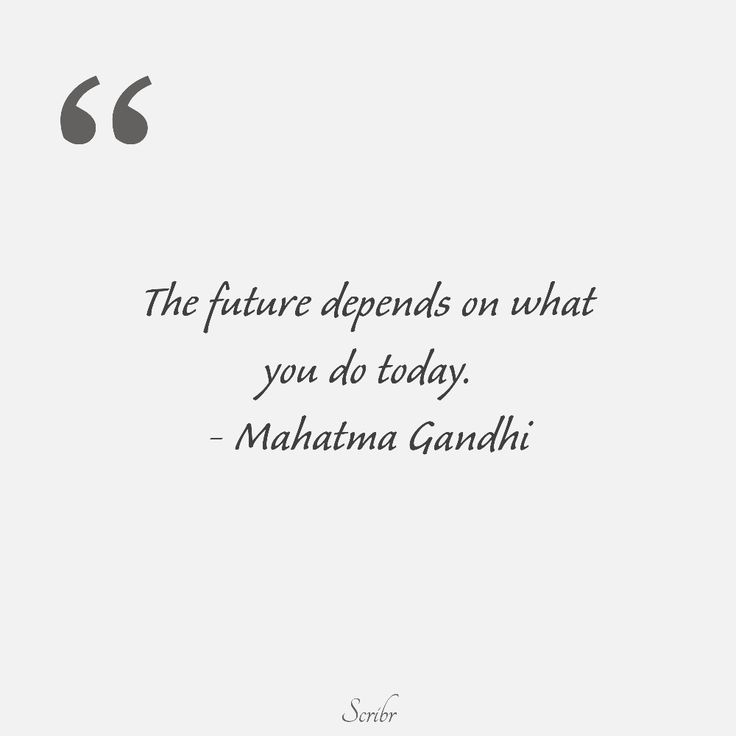
Let the end of this year serve as a lesson, teaching you what you want the new year to look, sound and feel like. Give yourself permission to use those lessons to work toward becoming the person you always were meant to be. You are in control of you, of your life, of your future. Take charge!

~ Karri Christiansen, MSW, LSW, CADC, CCTP
What did the past year teach you about you?

Gift yourself with kindness

There is some science that indicates that most humans have upward of 75,000 to 80,000 thoughts each day. Science also tells us that we are hardwired to engage in more negative thinking than positive thinking. This may have served us millenia ago, when we needed to protect ourselves from saber toothed tigers, though we are well beyond that now. Still, most people engage in some negative thinking and negative self-talk on what can at times seem a near constant basis.

What would happen if for this holiday season, you offered yourself the gift of positive self-talk and positive thinking? We spend so much time, energy and effort practicing kindness with our family, friends and other loved ones, why not do the same with ourselves? After all, negative self-talk rarely makes us feel better about ourselves, our situations, our lives.

So often, our negative self-talk is our harshest critic. We beat ourselves up for everything from mistakes made, to the things we said to other people, our behavior, the foods we consume. How does that really serve us? It may help in the short term, motivating us to perhaps try to do better. But over the course of days, weeks, months, years, decades, that constant negative self-talk will leave us feeling defeated, unworthy of love and belonging and as though we are undeserving of anyone else’s kindnesses.

What if, instead, we spoke to ourselves with kindness, as we might a family member, friend or other loved one? What if instead of calling ourselves derogatory names, we spoke to ourselves lovingly? What if we were as kind to ourselves as we try to be to others?

Speaking kindly to ourselves is perhaps one of the best gifts we can give ourselves. Oh, yes, a massage or mani/pedi, or tickets to a concert or football game are nice, but even the memories of those things do not last as long as the things we say to ourselves. While it is nice to treat ourselves to tangible gifts from time to time, speaking kindly to ourselves will last a lifetime and could perhaps change the way we think about ourselves.

When we engage in negative self-talk or negative thinking (referred to as automatic negative thoughts or ANTS), we rob ourselves of the opportunity to become the best versions of ourselves. Some may believe that if we constantly offer ourselves kindness, compassion and empathy, we run the risk of developing narcissistic traits. That is remotely possible, but highly unlikely. More so, we will develop a better sense of self and actually be better able to be kind to others.

This holiday season, could you offer yourself the gift of kindness? Could you attempt to replace some of your negative self-talk with positive self-talk or positive self-affirmations? Could you offer yourself the same loving kindness that you try to offer others? Perhaps a loving kindness meditation would assist with this, offering health, happiness and peace to someone you love, someone you struggle with and yourself. This meditation is brief. You can focus on a home base, such as the breath or a soothing sound as you sit in a comfortable but attentive posture. You start by focusing on someone you love and repeat in your mind, “May you be happy, may you be healthy, may you be at peace.” Do this a few times and then focus on someone you struggle with. Repeat the phrases, or choose something that sounds good to you. Finally, offer the same kindness to yourself. “May I be happy. May I be healthy. May I be at peace.”

Give it a shot. My guess is that you will start feeling better about yourself, your life and your struggles.

~ Karri Christiansen, MSW, LSW, CADC, CCTP

Gift yourself with kindness

Life may seem absurd. Embrace it anyway.

The holiday season is upon us, and, as such, life may seem to have warped into overdrive. Everything may seem as though it is moving so quickly. It may seem that we haven’t the time, space or energy to accomplish all the things. Couple that with the fact that, for many, it may seem as though the world is under fire due to raging wars, climate change, a vulnerable economy, political upheaval. What do we do with all of it?

For so many people, it may seem as though we simply are muddling through the holiday season, not truly embracing all that this time of the year has to offer. It may seem difficult to do so when we consider all that is going on in the world at present. Life may seem absurd. It may seem as though getting through the holidays is just one more thing we have to do. What would happen if, even just for a short while, we embraced what the holidays could mean to us? What would happen, if even just for a short while, we embraced the notion that life can be absurd?

How often do we give ourselves permission to embrace all the weird, all the strange, all the quirkiness of this wonderfully imperfect Earth that we live on? That may seem daunting, given everything going on in the world right now. Sometimes, we may feel as though the weight of the world literally is resting on our shoulders, leaving us feel so tired of what for many seems a constant barrage of bad news. Embrace the absurdity of life, rejoice in it. And, remember, that despite all the bad, we are surrounded by good.

We can choose embrace the absurdity of life by recognizing that along with all the bad—the wars, the flooding, the volcanic eruptions, the wildfires, the mass killings—there is good. There is beauty in our remaining nature, there are people who are kind and thoughtful and compassionate. There is a reason for this holiday season we find ourselves in. Part of that is to remember to show our fellow humans love and generosity.

It may seem as though there is little to be thankful for right now, but if we look hard, there still is so much for which we can practice gratitude. It may seem challenging to practice gratitude, but there is truth to the idea that gratitude is the birthplace of joy. When we look for the good, we find more good. And, despite the goings on in the world today, there still is good. We may have to look a bit harder, but it is there.

Maybe your life seems absurd. That’s okay. Embrace the absurdity and remember that there remains so much good in the world. Yes, times are tough for so many of us right now. That does not negate the fact that there is joy to be found, however fleeting the moment. Notice those moments of joy. Practice gratitude for the beauty that remains in this world, in people, in nature, in peaceful places.

We can hold both facts as true: life is both beautiful and ugly. We also can choose to focus on life’s beautiful absurdity and find joy in the small moments. We just have to give ourselves permission to do so. What can you do today to find the good, to notice the moments of joy, to practice gratitude for life’s amazing absurdity?

~ Karri Christiansen, MSW, LSW, CADC, CCTP

Life may seem absurd. Embrace it anyway.