What does it mean to practice gratitude?

It seems as though the season of gratitude is upon us, though many people seem to be struggling to find things for which they are grateful. This is understandable, given the current state of the world. Still, if we take the time to look, there remains much to be grateful for.

With Thanksgiving being celebrated in the United States and other places just a few days from now, many people find that they are seeking things for which to express gratitude. Yes, given the state of the world, that can feel challenging. That may mean looking a little harder for things we are grateful for, or perhaps looking a little closer to home.

What does it mean to practice gratitude anyway, and why should we attempt to do so? Well, with everything going on in the world, taking the time to practice gratitude for what is good can leave us feeling less hopeless and helpless, less despair and less depressed. How do we practice gratitude when it seems as though the world has turned upside down. Well, I encourage you to start small.

I often encourage people struggling to practice gratitude to find three small things that are good, that made them smile during the day, or brought them some measure of pleasure. We do not have to think that we can only practice gratitude when we find a zillion dollars at the end of a double rainbow (which likely won’t happen, but maybe you found a penny on the ground). We can practice gratitude for the small things, like our morning beverage, and drill down on that.

For example, today I find myself grateful for my morning coffee, which I shared over conversation with my husband. I am grateful for the electricity I used to brew my coffee and the fact that I have regular, running water to make my coffee. I can practice gratitude for the people who grew my coffee beans and for whomever ground and bagged those beans, and for whomever manufactured my cup. Again, we don’t have to practice gratitude for the big stuff, we can do it for the little stuff, the stuff we sometimes take for granted.

We also can practice gratitude for the people in our lives … even those who think differently than we do or who live differently than we do. With many people gathering later this week around the table for their annual Thanksgiving feast, there are many things for which we can practice gratitude. Even Uncle Mike, whose politics may be different than ours.

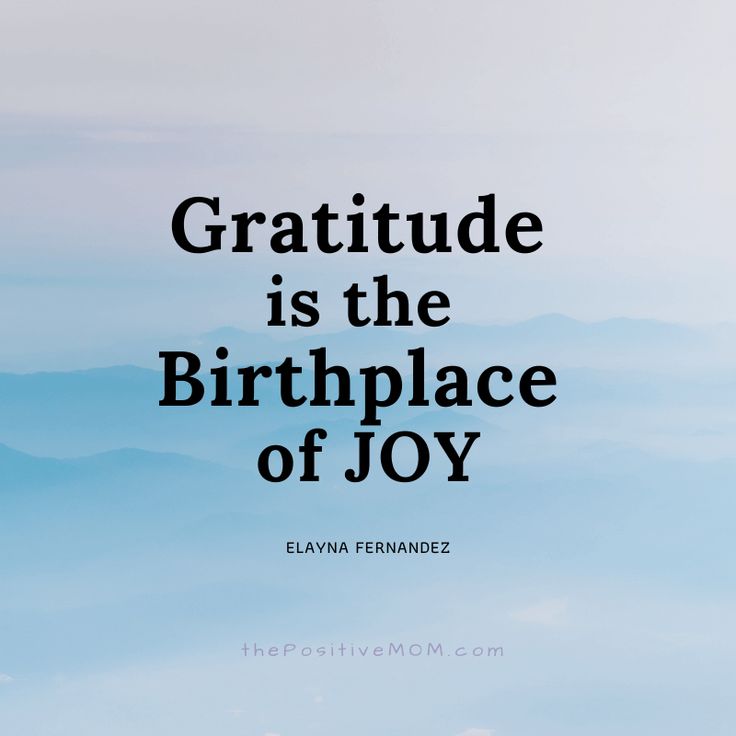
Why practice gratitude in the first place? What good will come of it? There is some evidence that those who do practice gratitude on a regular basis are happier and healthier. Some people argue that gratitude is the birthplace of joy and that it’s not happy people who are grateful but grateful people who are happy. Some people find it helpful to write down at some point during the day (maybe over that morning beverage), three things for which they are grateful. Again, it doesn’t have to be three big things like you won a huge promotion with an obscene pay raise. Maybe it’s just that you have the ability to work.

We have 24 hours in a day during which we can find all sorts of things to practice gratitude for. When we do, we may find that our outlook on life may improve even just a little bit, we may feel happier. And when we are happier, we are healthier. Maybe we practice gratitude for that.

What are three things you can express gratitude for today? This week? This Thanksgiving? Who or what made you smile, or even laugh? Where did you find pleasure? What surprised you in a good way? Practice gratitude for that.

~ Karri Christiansen, MSW, LSW, CADC, CCTP
What does it mean to practice gratitude?

When the world seems to be spinning out of control, what are we to do?

Election season is upon us in the United States, leaving many people feeling concerned, frightened, fearful for the future and as though the country is coming apart at the seams. Couple that with climate disasters such as hurricanes, flooding and drought, as well as shootings and violence that seemingly occur on a daily basis, and many people may be feeling as though the world is spinning out of control.

These things, as well as a plethora of others, may leave us feeling as though we haven’t control over much of anything at all. Yes, we can do our part and vote our consciences on or before Election Day. Yes, we can take steps to reduce our carbon footprint and maybe make a small dent in combating climate change. Yes, we can be peaceful citizens and avoid violent confrontations with others. But much of what is happening in the world is well beyond our control. How do we come to terms with what is within and what is outside of our control?

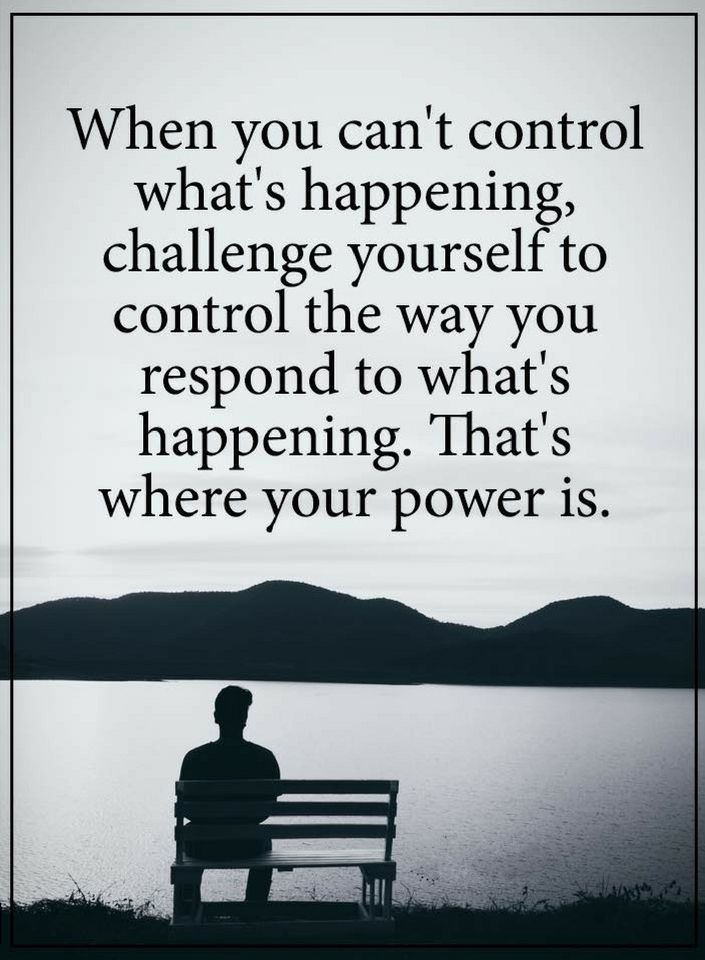
One of the things we can do is recognize that what we do have control over largely is the being reading these words. We can control what we say and do, how we act and behave toward ourselves and others. We can to some extent control what we think and how we share those thoughts and with whom. Other things, though, are likely outside of our locus of control.

We can control how we choose to respond to the goings-on in the world, in our country, in our neighborhoods and communities. We can control how we choose to respond by giving ourselves permission to slow down and think about our next steps. We can control how we choose to respond to things by giving ourselves permission to be kind and compassionate toward ourselves and others. And we can remember that we have little to no control over what others think, say or do. Do we want to respond to whatever is happening with anger, verbal or physical violence? Or do we want to respond with grace and compassion?

Offering ourselves compassion and kindness for our sometimes challenging feelings regarding all that is transpiring around us can help us offer that same compassion to others. It behooves us to remember that while others may think and feel differently about politics, climate change, the Chicago Bears, that does not mean that their thoughts and feelings are invalid. They’re just different. And we can agree to disagree, peacefully, and move on to other subjects of discussion.

If we choose to disagree on a certain topic of discussion, perhaps that means setting healthy boundaries with others, be it friends, family members, colleagues. Healthy boundaries can be agreed upon amongst people, and can be held with compassion. Boundaries teach others how to respect us, and tell others what we will and will not tolerate.

Yes, it may seem as though the world has become unglued. Yes, you may experience challenging feelings about everything that is going on. What are those feelings telling you, about yourself, your values, the things and people you hold near and dear? Check in with yourself. Offer yourself grace and compassion so you can do so freely with others. And, set and enforce healthy boundaries.

~ Karri Christiansen, MSW, LSW, CADC, CCTP
When the world seems to be spinning out of control, what are we to do?