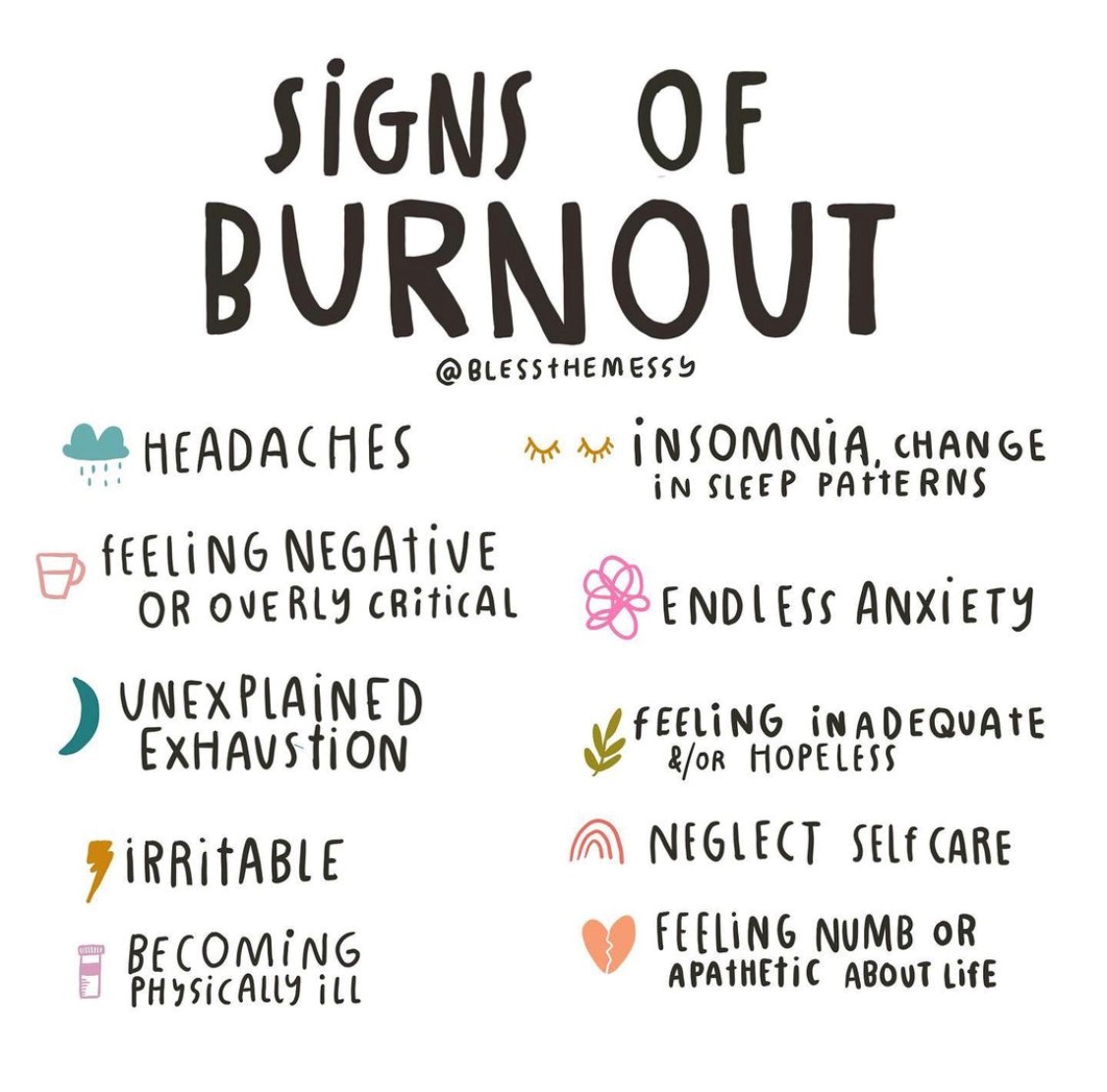
We are living in uncertain times, stressful times. It feels as though the world is upside down for many of us. Many people are feeling the weight of it physically and emotionally. What we do to manage stress matters, but first we have to recognize the symptoms of stress.
Our bodies are really good at telling us how well we are managing our stress. And with everything going on in the world and our personal lives, we may notice a few tell-tale signs that stress is taking a toll on us. We may notice more headaches, we may notice that we are grinding our teeth or clenching our jaws. We may notice that our brows are furrowed or that we are scowling. We may notice that our hands are in fists. We may notice that our sleep is not great and that we wake still feeling tired. We may be eating too little or too much. We may find that we are consuming alcohol or other substances more and more often. It is important to give yourself permission to notice and pay attention to what your body is telling you about your stress levels.
When we are feeling stressed, we may feel as though the world or our world is spinning out of control. We may feel the cumulative effects of stress such to the point that we feel as though we can no longer manage. It is important to learn how to manage stress so that we do not feel overwhelmed. But how do we do that?
It helps to check in with yourself and your body. Your body will always tell you what it needs. One way to manage stress is to make sure you are nourishing yourself with healthy foods and making sure you stay hydrated with water. While it is okay to indulge in a treat from time to time, turning to comfort foods such as fast food, sweet or salty food, or fatty foods likely will make you feel worse in the long run and ultimately effect how you feel physically, which can add to stress.
Another way to deal with stress is to get up and get moving. Your body is built for movement. If you feel like hunkering down under your favorite blanket for a while, that is okay. It is also helpful to go for a walk, run or bike ride to help reduce stress. Exercising is a great way to help manage stress. It might be helpful to stretch or practice yoga. Boxing or kickboxing classes might help reduce stress. Put on some upbeat music and dance away the stress. Do 100 jumping jacks. Play hopscotch. Just get moving.
Reaching out to a trusted other also may help you manage stress. Perhaps you could go grab a (decaf) coffee or dinner with a friend or relative. Perhaps texting someone you haven’t connected with in a while may help. We as humans are wired for connection and connecting with trusted others can help reduce stress. If you have time to scroll, you likely have time to call or text. Avoiding doomscrolling is crucial when trying to navigate stress. Use your phone as tool for connection rather than a way to isolate.
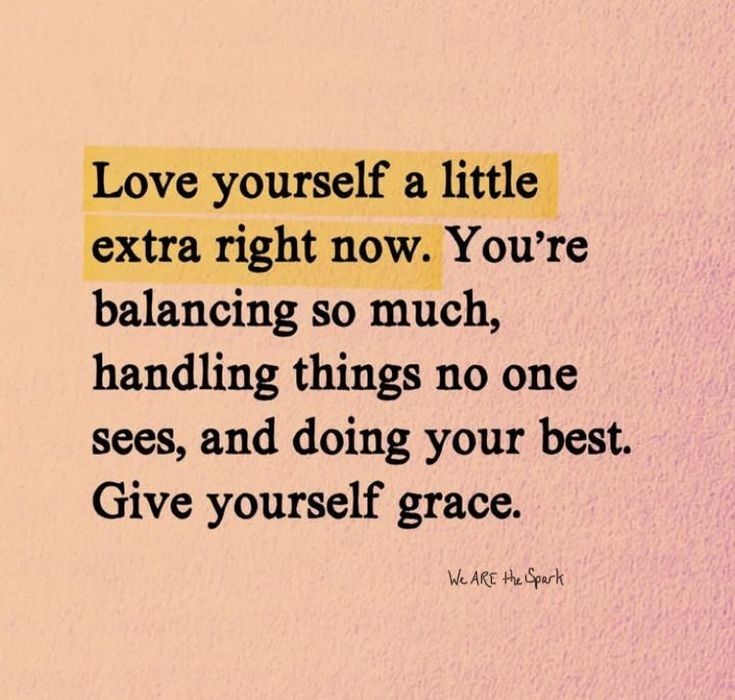
One of the most important things we can do to manage stress is to avoid “shoulding” ourselves into trying to feel better about all the stressors in our lives. We cannot “should” ourselves into feeling better; it just does not work. We can, though, offer ourselves grace and compassion for the stress we are under on any given day or in any given hour. We all are doing the best we can with what we have right now. And that is enough. Speaking to yourself kindly and lovingly as you might a friend or relative is imperative when you are struggling.
Meditation and mindfulness practices also can help us manage our stress. There are apps such as Calm and Headspace that offer guided meditations of various lengths that are helpful to remind us to take a break, breathe and reconnect with our bodies. For those folks who may be having sleep difficulties, there are meditations designed to help you fall asleep or to return to sleep. Practicing mindfulness can happen throughout the day just by being present with what we are doing and avoiding multitasking. Pay close attention to one task, even the simple act of washing your hands can become a mindfulness exercise if you let it.
It may feel as though life has become more stressful of late. Give yourself permission to check in with your body and notice where in your body you are holding your stress. Listen to your body and let it tell you what it needs. Eat healthy foods. Get enough water. Move your body. Connect with trusted others. Breathe. Life is hard for a lot of people right now. Be kind to yourself. Offer yourself some grace for all you are enduring. Speak lovingly to yourself.
~ Karri Christiansen, MSW, LCSW, CADC, CCTP